Field: Technology
Exercise After ACL Surgery: A Promising Path to Prevent Early Osteoarthritis
Published | Technical Staff
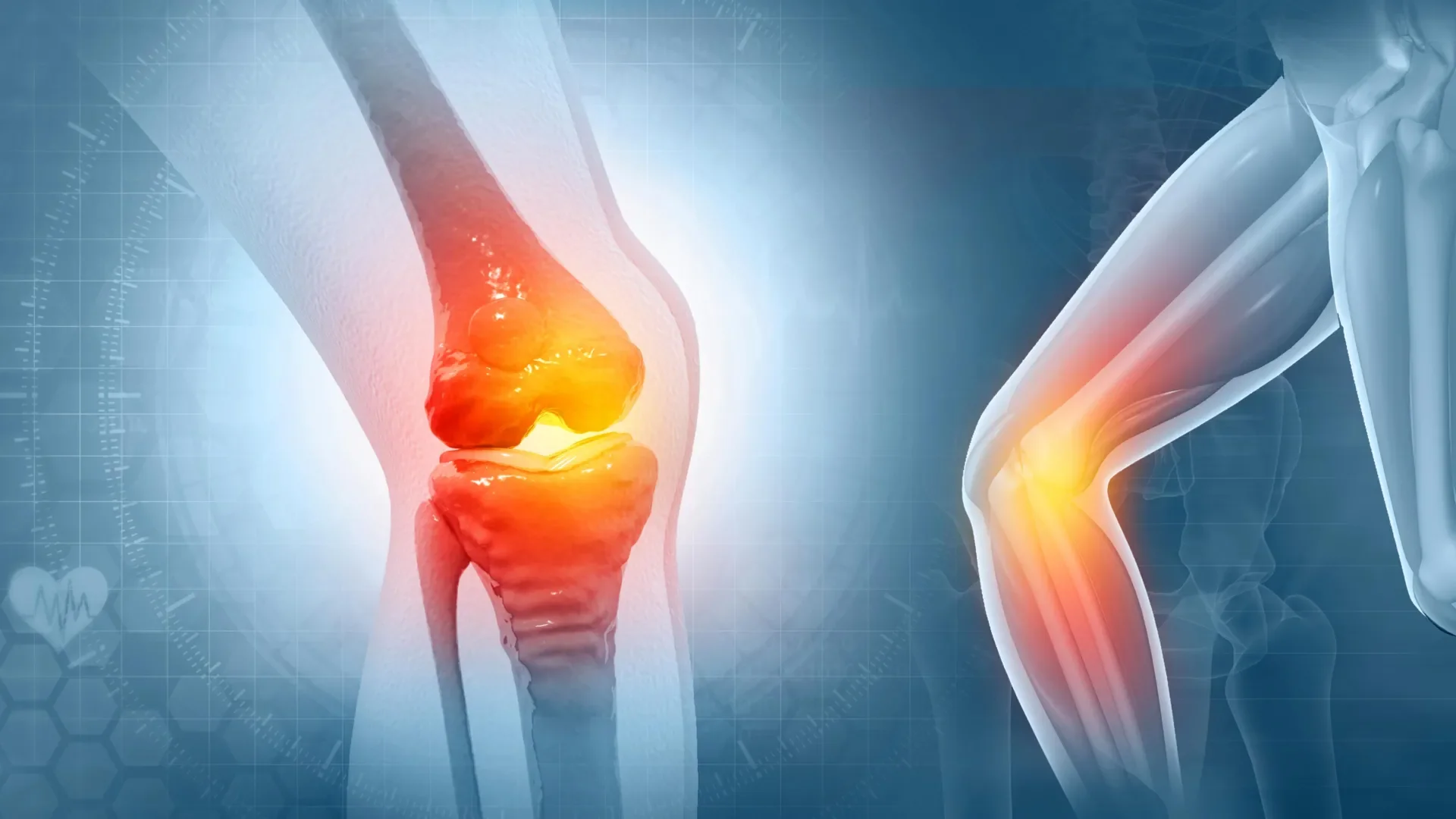
Visualization
In a significant departure from traditional recovery narratives following anterior cruciate ligament (ACL) reconstruction, new findings from La Trobe University’s Sport and Exercise Medicine Research Centre illuminate the potential of structured exercise regimens to mitigate long-term complications, including early-onset osteoarthritis. This study heralds a shift in rehabilitation practices, suggesting that engagement in targeted physical activity can enhance knee health without exacerbating cartilage deterioration.
The research underscores a dual concern: while the immediate aftermath of ACL surgery can be fraught with persistent knee issues, the enduring threat of osteoarthritis looms large, often manifesting in individuals as young as 40. Statistically, approximately 50% of ACL surgery patients face dissatisfaction in knee function even two years post-operation, with a similar fraction exhibiting radiographic signs of osteoarthritis within ten years. Such data elucidate the crucial nature of effective rehabilitation strategies that address both pain management and functional recovery.
In the pioneering SUPER-Knee clinical trial, 184 participants aged 18 to 40, who reported lingering knee dysfunction one to three years after surgery, were introduced to a regimented exercise therapy program. The intervention spanned four months under the direct supervision of physical therapists, incorporating progressive exercise modalities designed to stimulate musculature without compromising joint integrity.
The trial's methodology was rigorous. Participants were randomly allocated to either the active progressive exercise group or a control group receiving singular educational sessions, thus establishing a comparative framework to assess the efficacy of the rehabilitation protocol. Results, published in the Annals of Internal Medicine, illustrated that those engaged in the structured exercise experienced substantial improvements in perceived pain, muscle strength, and overall quality of life metrics. Notably, the intervention appeared devoid of adverse effects on knee cartilage, a critical concern that had historically influenced rehabilitation strategy apprehension among both clinicians and patients.
Associate Professor Adam Culvenor, the leading researcher, articulated the significance of these findings: “Our study represents a breakthrough, providing high-quality evidence that physiotherapist-supervised exercise therapy can safeguard the knee health of younger patients at risk for early-onset knee osteoarthritis post-ACL reconstruction.” Culvenor emphasized that the adaptable nature of this intervention allows for seamless integration into existing rehabilitation frameworks, requiring minimal specialized equipment or extensive training for health professionals.
The psychological and physical toll of ACL injuries is vividly illustrated through personal narratives that accompany this clinical inquiry. Ruby Cumming, a participant whose journey reflects the trials many face after such injuries, detailed the extended struggle with pain and mobility that plagued her post-surgery. Yet, her experience within the SUPER-Knee trial marked a pivotal transformation in her recovery narrative, encapsulating the potential benefits of supervised rehabilitation.
The implications extend beyond personal anecdotes; the emergence of such data fuels renewed discourse in sports medicine regarding rehabilitation protocols. The anxiety surrounding patients’ activity levels after surgery—analogous to concerns about exacerbating pre-existing conditions—has stymied many clinicians from recommending robust alternative movements. Culvenor's research not only dispels myths surrounding exercise-induced cartilage damage but also champions a paradigm shift toward proactive patient engagement in rehabilitation processes.
The model posited by the SUPER-Knee trial aligns with contemporary calls for evidence-based practice in healthcare, particularly concerning rehabilitation strategies for chronic conditions. Although the study does not definitively confirm whether such an exercise regimen may prevent osteoarthritis in the long term, its findings undeniably advocate for a more nuanced approach to recovery that recognizes the complex interplay of physical activity in joint health post-injury.
In summary, the SUPER-Knee clinical trial adds substantial weight to the argument for reconsidering rehabilitation protocols following ACL reconstruction. As health professionals reassess their approach to patient care in this context, the path forward may become ever clearer: structured, supervised exercise not only enhances recovery and quality of life but also emerges as a beacon of hope against the stealthy advance of osteoarthritis in the young adults recovering from knee injuries. Such advancements herald the potential for changing lives in the realm of sports medicine and rehabilitation, offering a lifeline to those challenged by the long shadow of chronic knee conditions.