Field: Technology
Do Spiders Dream? Remarkable Evidence of Sleep Shared by Spiders and Humans
Published | Technical Staff
Visualization
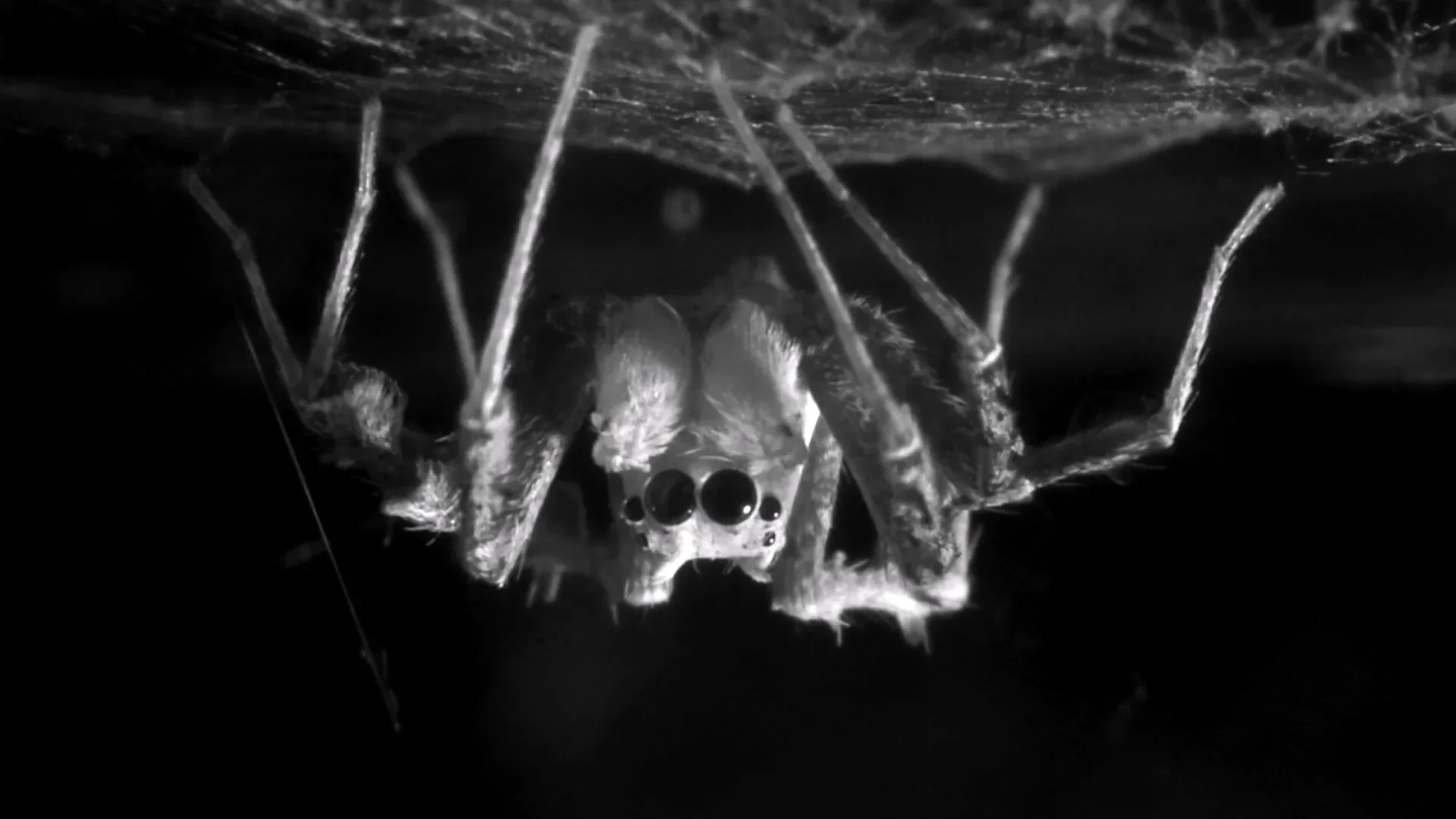
Recent revelations emerging from the University of Bonn have sparked a paradigm shift in our understanding of sleep across species, particularly regarding the fascinating Australian jumping spider, Portia fimbriata. This petite yet cunning predator, known for its exceptional hunting strategies, has provided scientists with surprising insights that suggest these arachnids may enjoy sleep stages that closely parallel those observed in humans and other vertebrates.
In the realm of evolutionary biology, sleep has been an enigmatic subject, predominantly studied within vertebrate models such as mammals and birds. The researchers at the University of Bonn, however, turned their gaze toward a considerably less conventional subject—the eight-legged Portia fimbriata. The spider, no larger than a one-euro coin, is revered for its extraordinary predatory prowess, which includes sophisticated techniques for ensnaring other spiders. This intricate behavior not only positions Portia as a model of learning but also necessitates an acute cognitive function, leading researchers to delve deeper into the sleepy world of arachnids.
Utilizing high-resolution infrared cameras, the team meticulously cataloged the nocturnal activities of Portia fimbriata over an extensive period, capturing its distinct sleep patterns. The data revealed a two-stage sleep cycle, one of which bore uncanny resemblance to human REM (rapid eye movement) sleep. During this stage, researchers noted pronounced eye movements and muscle twitches resembling conventional REM activity familiar to vertebrates. These oscillations raise profound questions concerning the physiological continuity of sleep across diverse taxa, highlighting the neurobiological underpinnings that may govern such states.
The investigative methodology was rooted in behavioral observations, augmented by experimental manipulations designed to distinguish genuine sleep from mere inactivity. Spiders were placed in controlled environments—specifically, plastic dishes measuring 12 centimeters in diameter— and observed under varying light conditions to delineate their circadian rhythms. The use of auditory stimuli allowed researchers to analyze the spiders' response times to disturbances, a critical factor in measuring sleep propensity. When sound cues resulted in delayed reactions, it signified a departure from an alert state into sleep, indicating the spiders were genuinely asleep rather than in an inactive state.
Additional experiments introduced the concept of sleep deprivation, where interruption of rest led to subsequent episodes of extended sleep, termed “sleep rebound.” These findings bolster the hypothesis that Portia fimbriata experiences regulated sleep, challenging previously held notions that such properties were exclusive to vertebrate sleep.
Throughout their research, investigators faced a labyrinth of methodological challenges. A pivotal concern was the unique sensory modalities inherent to spiders, distinctly different from those of humans, leading to complications when interpreting behavioral responses. Furthermore, while researchers identified suggestive movements analogous to vertebrate REM, the inability to directly measure cerebral activity in spiders restricted the depth of their conclusions. Instead, they relied heavily on painstakingly documented behavioral data to parse out different states of sleep.
The implications of these findings extend well beyond the individual spider, foreshadowing advancements in our broader comprehension of sleep's evolutionary trajectory. The identification of REM-like features in an invertebrate suggests a possible convergence in the functional evolution of sleep, raising intriguing questions about the adaptive significance of these states across diverse animal lineages. The researchers postulate that a comparative analysis of sleep in species with varied neurological architectures could deepen our understanding of sleep's biological utility and its evolutionary origins.
With a view toward the future, researchers aim to conduct further investigations into the dynamics of spider sleep across multiple species. Such studies include analyzing spiders in their natural habitats compared to laboratory conditions, thereby assessing the influence of environmental factors on sleep behavior. Furthermore, the exploration of the interplay between sleep stages and cognitive functions promises to unveil the intricate mechanisms that govern learning and memory in these remarkable creatures.
As scientists interrogate the boundary between human-like sleep and that of creatures vastly different in their biology, the inquiry transforms our understanding of consciousness itself. Could these small architects of intricate webs be dreaming within their slumber? While definitive answers remain elusive, the pursuit of knowledge surrounding sleep continues to challenge conventional wisdom and expand the horizons of behavioral science. The quest to decipher the mystery of sleep in Portia fimbriata not only alters our perspective on arachnids but holds potential to illuminate fundamentally shared features of life itself.