Field: Technology
DNA on the Shroud of Turin reveals centuries of hidden secrets
Published | Technical Staff
Visualization
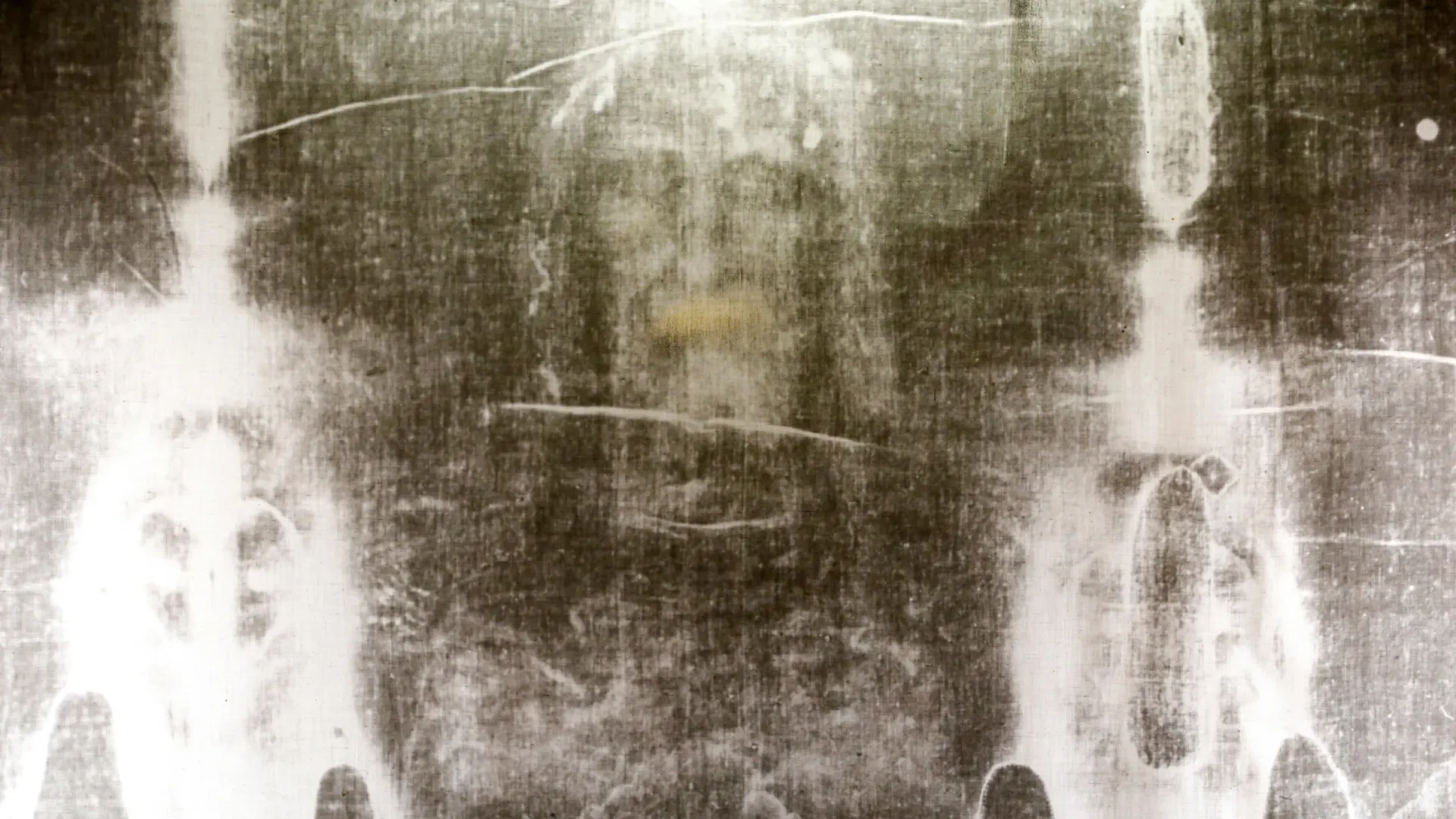
A comprehensive DNA analysis of the Shroud of Turin, a linen cloth long entangled in religious and historical controversy, has unveiled a trove of genetic secrets reflecting a rich tapestry of biological interactions over centuries. Researchers, utilizing advanced metagenomic sequencing techniques, have developed a more nuanced understanding of the intricate relationship this relic has had with diverse human populations, environmental elements, and other organisms.
Segments of the Shroud's biological history were meticulously reconstructed from samples preserved since the 1978 investigations. By applying rigorous PCR-free next-generation sequencing methods, the research group was able to engage with a paradigm shift in how such historical artifacts are analyzed. Instead of isolating individual genetic materials from specific organisms, metagenomic sequencing provides a broader spectrum of biological evidence, thereby permitting a simultaneous examination of multiple species encapsulated in a single sample. This ability is particularly valuable for an artifact that has been subjected to extensive handling and diverse environmental contingencies.
The results uncovered a multifaceted synoptic view of the Shroud's biological content, revealing a complex mixture of human mitochondrial DNA, which hints at the varied ancestries of individuals who have come into contact with the cloth throughout its storied history. Mitochondrial DNA (mtDNA), which only matrilineally transmits genetic information, can delineate population structures and migratory patterns, allowing us to distill significant anthropological insights from what might otherwise appear as a mere artifact.
Beyond human genetic traces, the Shroud harbors a diverse microbiome—a collection of microorganisms that includes skin bacteria and fungi typically associated with human presence, as well as archaea, a unique group of extremophilic microorganisms that flourish in high-salinity environments. The presence of these archaeal organisms raises intriguing questions about the conditions in which the Shroud has been stored and handled, revealing it as a rich substratum for microbial interaction.
In addition to microorganisms, the analysis documented genetic material from a multitude of plant and animal species, consisting of cultivated varieties such as wheat, carrots, and bananas, alongside domesticated fauna like cattle and pigs. A particularly striking finding was the identification of DNA linked to Mediterranean red coral, an unexpected signature that suggests a wider geographic narrative regarding how the cloth may have traversed various environments and cultural contexts.
However, a fundamental caveat remains. The chronological assignment of these DNA signatures cannot be confidently established, as modern methodologies do not clarify the temporal context in which these genetic contributions accumulated. Hence, while the genetic output manifests as a mosaic of interactions, isolating original material pertinent exclusively to the Shroud is a formidable challenge, compounded by centuries of bioaccumulation.
Despite the tantalizing genetic revelations, which may invigorate contemporary discourse around the Shroud’s provenance, the study does not lend itself to definitive conclusions regarding its age or authenticity. The Shroud of Turin continues to exist as a symbol of faith and inquiry, provoking skeptical debate and elevated discourse in both historical and scientific communities.
Professor Noemi Procopio from the University of Lancashire, involved in the research, has emphasized that the findings elucidate not just the Shroud's biological complexity but also the potential of current forensic genomic technologies to elucidate yesteryear’s artifacts. The data serves as a poignant reminder that forensic science can breathe contemporary relevance into historical enigmas, revealing new narratives embedded within materials that have resisted decryption for centuries.
The continued study of such artifacts not only aims to unveil forgotten histories but also underscores the broader implications of integrating advanced scientific techniques into fields traditionally dominated by qualitative analysis. This burgeoning interplay positions modern forensic science as a crucial tool for unraveling the complex tapestry of human experience as it is woven into the very fabric of historical objects like the Shroud of Turin.