Field: Technology
Dental implants can hijack your immune system, scientists discover
Published | Technical Staff
Visualization
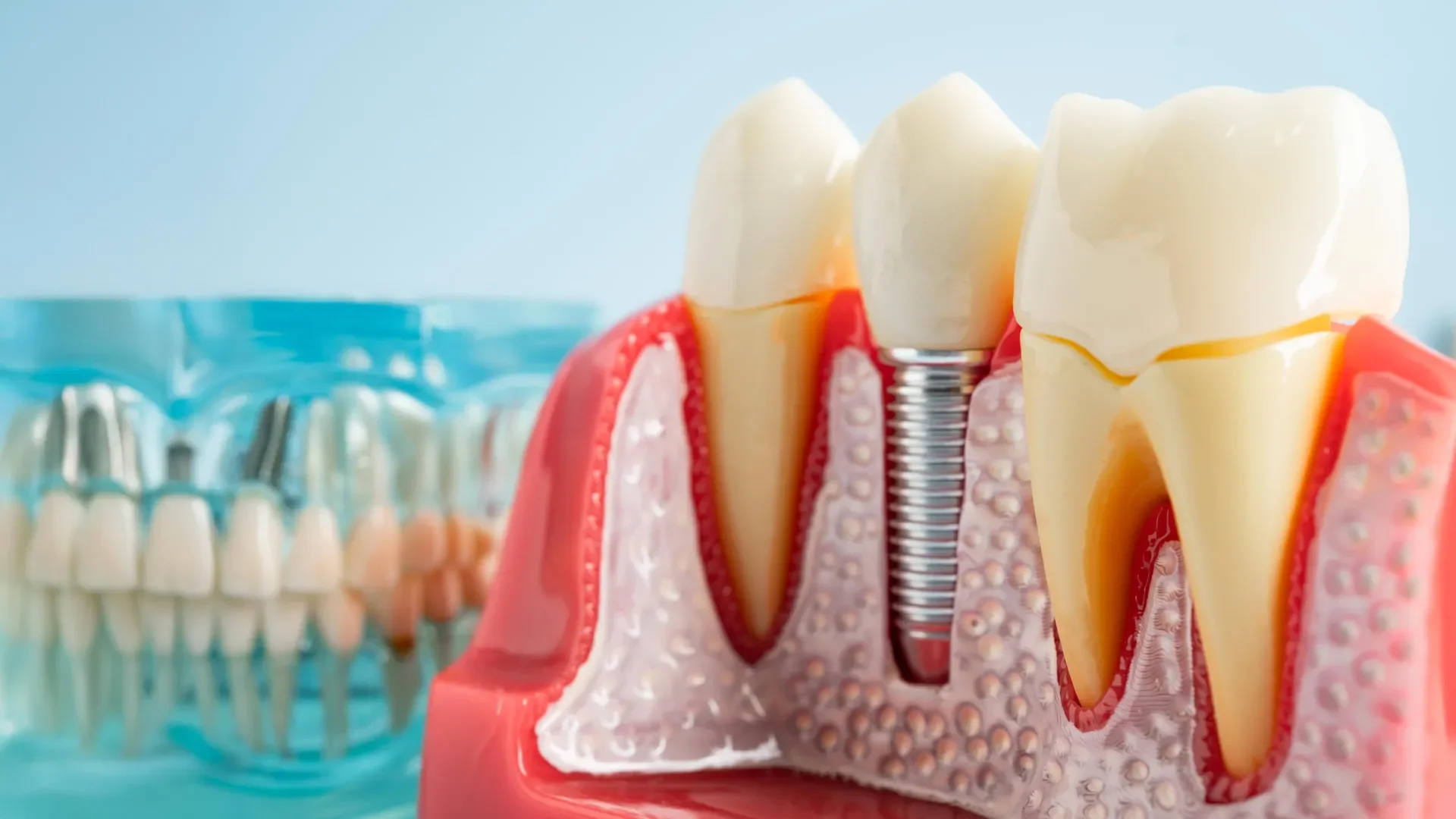
The intersection of dental innovation and the complexities of human immunology has unveiled startling new insights thanks to research from the Rutgers School of Dental Medicine. As dental implants gain popularity as a practical solution for tooth loss—affording patients enhanced aesthetics and functionality—they pose a mounting challenge: a significant incidence of peri-implantitis. This painful condition, marked by inflammation and infection surrounding the implants, can afflict up to 20% of recipients, leading to jawbone deterioration and costly interventions, exceeding $1 billion annually in healthcare expenditures.
For years, the primary focus of research centered on bacterial populations that aggregate on implant surfaces. Antibiotic resistance in these scenarios is perplexing; clinicians often find that conventional antimicrobial treatments yield less than satisfactory results. Recent investigation reveals that the issue may not solely stem from the pathogenic microorganisms themselves but rather from the implants' materials interacting unfavorably with the immune system.
Upon scrutinizing human tissue samples and conducting meticulously controlled laboratory experiments alongside genetically engineered mouse models, researchers identified integral nuances in the relationship between titanium implants and the immune response. The process begins with bacterial biofilms forming on the titanium surface, which acidify the environment and instigate corrosion. This erosion releases particles of titanium—embodied in a size scale smaller than erythrocytes—that infiltrate surrounding tissue and incite an aberrant immune response.
These titanium fragments display a novel mechanism, associating themselves with lipopolysaccharides, toxins released by gram-negative bacteria, thus camouflaging themselves as large cellular entities. The immune cells, specifically macrophages—microphages that would typically encapsulate and eradicate foreign material—fail to digest the titanium. Instead, they enter a deleterious cycle of hyperactivation, sustaining chronic inflammation characterized by elevated levels of signaling molecules, particularly interleukin-1 beta (IL-1β), a pro-inflammatory cytokine also implicated in conditions such as rheumatoid arthritis and Alzheimer’s disease.
Experimental observations indicate a pronounced deterioration in macrophage functionality. When exposed to titanium particles, these immune defenders succeeded in engulfing less than half the bacterial load compared to their unexposed counterparts, indicating a pivotal breakdown in immune efficacy. Georgios Kotsakis, the study's senior author, articulately encapsulates this phenomenon: "You have a perfect storm that defies antibiotics."
The underlying cause of this immune disruption hinges upon the activation of the TRPC1 calcium channel present in macrophages. Introspective experiments revealed that utilizing genetically engineered mice devoid of TRPC1 significantly ameliorated immune responses when subjected to the irritating combination of titanium particles and bacteria. Specifically, these mice demonstrated smaller abscess formations and diminished release of inflammatory mediators, illustrating the potential of TRPC1 inhibition as a therapeutic target.
Thus, the research presents a dual-edged sword: while it reveals pathways to novel treatment strategies that focus on modulating the immune system rather than relying solely on antibiotics, it simultaneously underscores the necessity of conscientious oral hygiene practices in the realm of dental implants. The advent of non-abrasive cleaning techniques is critical; metal scalers, once ubiquitous in implant maintenance, have been shown to exacerbate titanium corrosion, thereby perpetuating the cycle of implant failure.
The revelation that titanium particles can manipulate the immune system not only elucidates the mechanisms behind peri-implantitis but also redefines our approach to implant management. The findings herald a paradigm shift in therapy development, potentially pioneering an integrated treatment methodology poised to alter the landscape of dental care as we know it. As research funded by institutions such as the National Institutes of Health continues to burgeon in this vein, the dental community stands at the precipice of a new era in implantology, equipped with more informed strategies to preserve the health of those who rely on dental implants for restorative function and aesthetics.