Field: Technology
Could lowering high blood pressure be as simple as stimulating your ear?
Published | Technical Staff
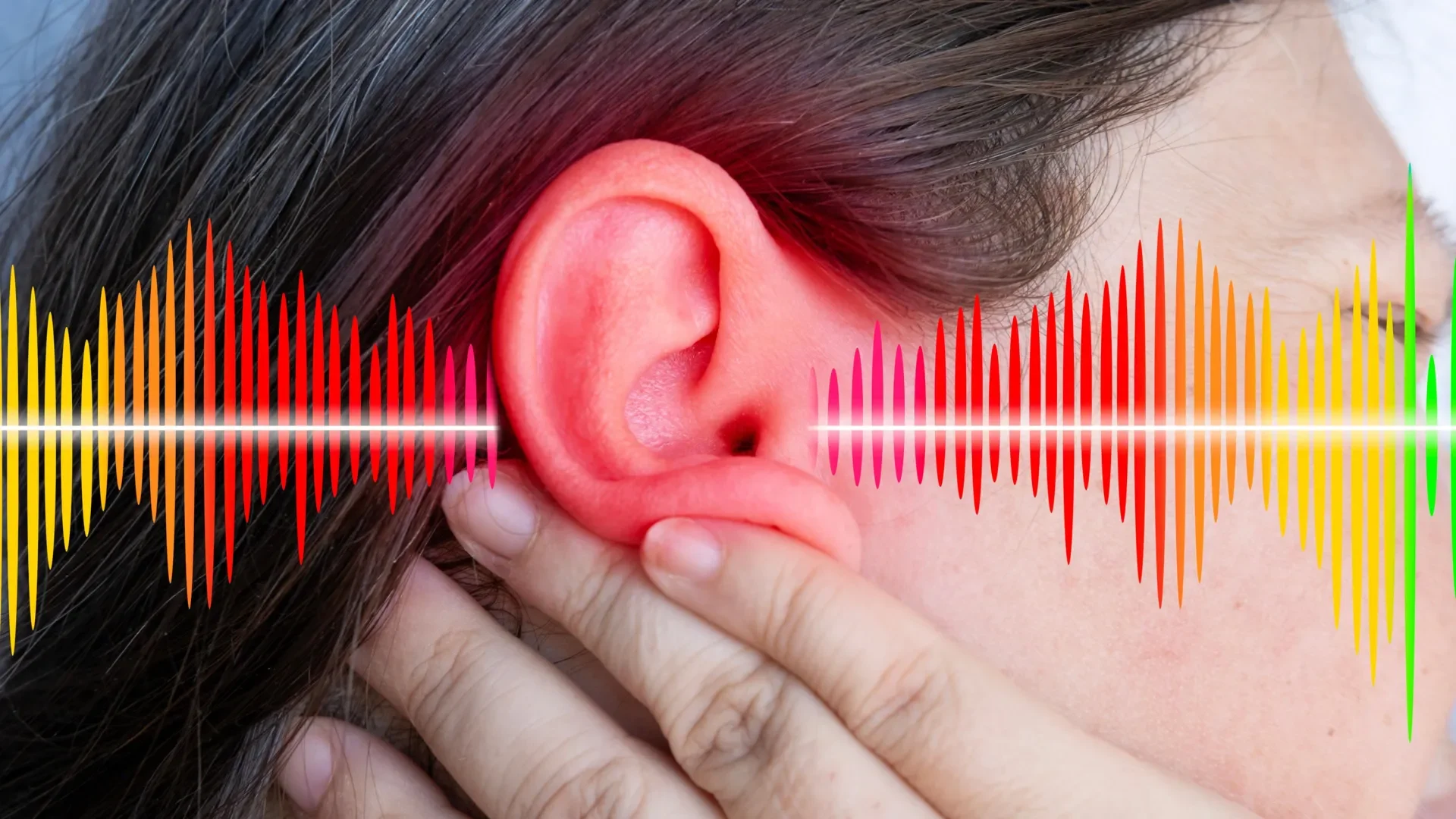
Visualization
In a groundbreaking exploration of non-invasive medical technology, researchers at Queen Mary University of London have unveiled an innovative approach to managing hypertension—ear stimulation. Early results from the SCRATCH-HTN trial highlight the potential of a handheld device designed to deliver mild electrical pulses to targeted nerves within the tragus, a small cartilage flap located just in front of the ear canal. This novel technique, known as transcutaneous autonomic neuromodulation (tAN), aims to engage the autonomic nervous system, a critical regulator of cardiovascular functions such as heart rate and blood pressure.
High blood pressure, or hypertension, affects millions worldwide and is a well-established precursor to severe cardiovascular events, including strokes and heart attacks. Traditional pharmacological treatments have offered relief for many, yet a substantial cohort of patients continue to experience persistent elevations in blood pressure, despite adhering to prescribed regimens. This reality underscores the necessity of investigating alternative therapeutic avenues, particularly those that integrate patient convenience and safety.
The development of this ear-stimulation device by Afferent Medical Solutions offers a paradigm shift. Functioning through electrical stimulation, the device encourages the body’s natural regulatory mechanisms to recalibrate blood pressure levels—without the need for surgical intervention. In the trial, 63 participants, all suffering from resistant hypertension despite being on medication, were randomly assigned to either receive active stimulation or a placebo. Each participant utilized the device for 30 minutes daily over the initial two weeks, followed by weekly sessions for a total of 10 weeks.
The trial's methodology showcased a commitment to rigorous scientific inquiry, maintaining a controlled experimental design while ensuring participant safety and comfort. Post-trial analysis indicated that the intervention was largely well-tolerated, with participants finding it user-friendly for home application. However, the broad results revealed no statistically significant difference in blood pressure when comparing active treatment to sham—a crucial insight that emphasizes the complexities of individual responses to new therapies.
Nevertheless, a deeper analysis of participants with severe hypertension painted a more promising picture. This prespecified subgroup analysis revealed discernible improvements, suggesting that those with more challenging blood pressure profiles might derive notable benefits from this non-invasive approach. Encouraging reductions were observed specifically among these participants, hinting at the possibility of segmented efficacy based on disease severity.
Dr. Ajay Gupta, the Chief Investigator, articulated the importance of these preliminary findings: "This is an exciting, highly patient-acceptable technology that could ultimately provide a cheap, scalable solution for millions." The implications of such advancements could reshape treatment paradigms, offering a practical alternative for those whose hypertension remains stubbornly high despite ongoing medication.
The potential scalability of this technology cannot be overstated. If future large-scale studies corroborate these findings, the implications for public health could be immense, simplifying management strategies and potentially lowering the overall burden of cardiovascular diseases associated with hypertension.
Yet, amid the optimism, researchers underscore the necessity of caution. The initial findings represent merely a starting point, and larger clinical trials will be essential to validate the efficacy of tAN stimulation and identify which specific patient populations may benefit most. As interest in non-invasive neuromodulation grows, this device may pave the way for innovative strategies to tackle the complexities of hypertension and enhance the quality of care for patients worldwide.
Thus, the journey from concept to clinical application in treating high blood pressure through stimulating the ear encapsulates the promise of modern medical science—pushing boundaries, challenging conventions, and offering hope to the millions grappling with this pervasive condition.