Field: Technology
Common supplement could help fight psoriasis, scientists discover
Published | Technical Staff
Visualization
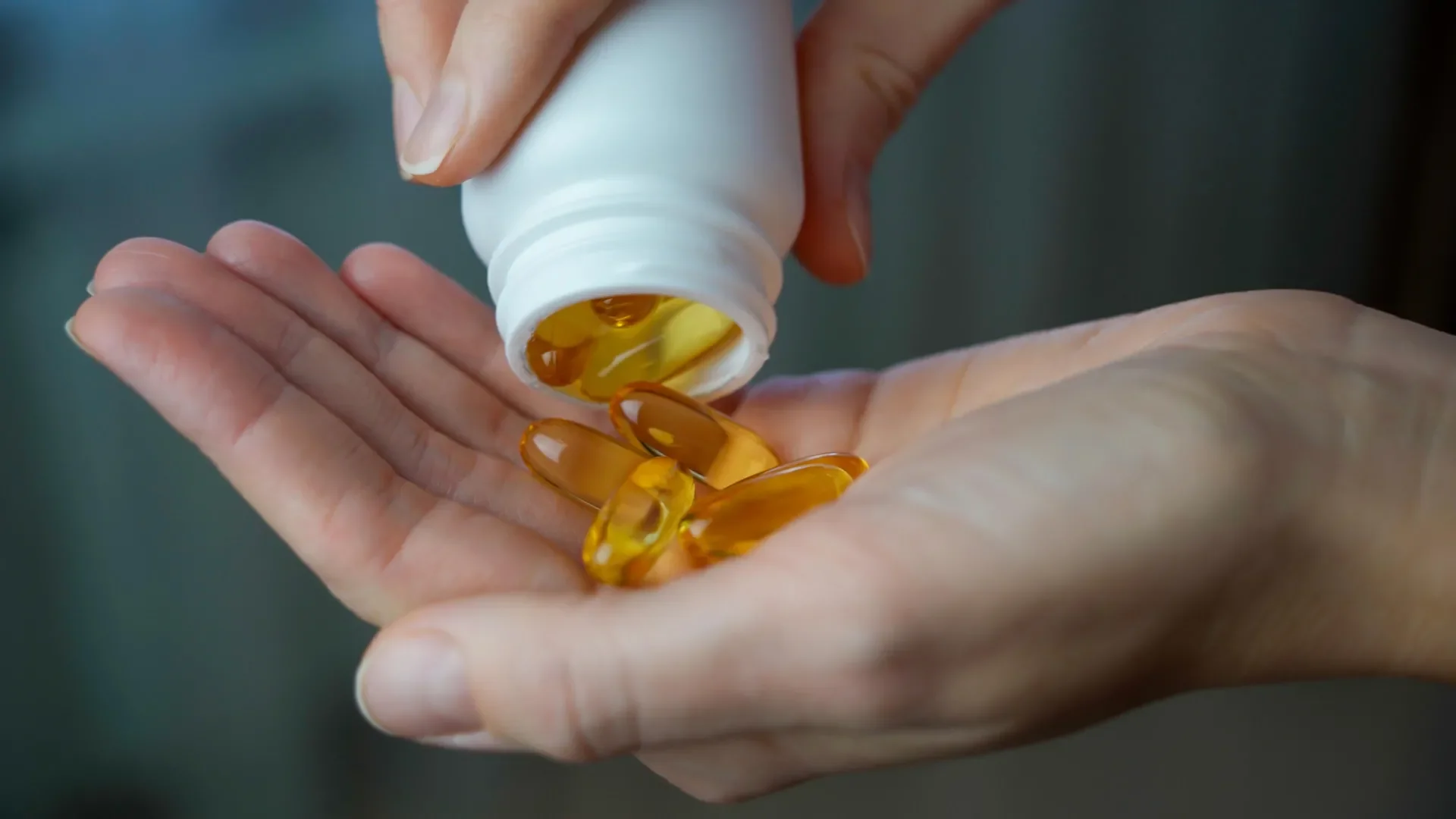
Emerging from the pervasive complexities of autoimmune conditions like psoriasis, recent research has shed light on an unexpected ally in the battle against this chronic skin disease: pantethine, a derivative of vitamin B5. This nutrient, often available as a common dietary supplement, has shown the potential to modulate immune cell activity and mitigate the inflammatory responses that characterize psoriasis, paving the way for innovative therapeutic approaches.
In a pivotal study conducted by a team of researchers at the State Key Laboratory of Biomedical Analysis in Beijing, pantethine demonstrated its ability to suppress the hyperactivity of dendritic cells—critical orchestrators of the immune response—thereby staving off psoriasis in murine models. The findings, meticulously documented in the Journal of Experimental Medicine on October 27, illuminate a previously unrecognized metabolic nexus connecting pantethine, cholesterol production, and the immune system's often maladaptive response in autoimmune diseases.
At the crux of the research lies an intimate understanding of dendritic cells, which capture antigens and present them to naive T cells, inciting an immune response. Under normal physiological conditions, this function allows the body to protect against pathogens. However, dysregulation, particularly characterized by the over-activation of dendritic cells, can lead to sustained inflammation and the pathogenesis of autoimmune disorders such as psoriasis.
"We're observing a critical intersection where metabolic pathways intricately tie into immune cell regulation and disease progression," asserts Wei-Na Zhang, the lead researcher. Zhang’s team focused on the enzyme family known as Vanins, which, intriguingly, was found to be upregulated in dendritic cells harvested from psoriasis patients. Vanins play a vital role in cellular metabolic processes, particularly in the conversion of pantethine into vitamin B5, a coenzyme pivotal for energy production.
By manipulating Vanin activity, the researchers were able to affect dendritic cell behavior significantly. Reduction of Vanin levels corresponded with diminished dendritic cell activation, which in turn resulted in a lower propensity to activate T cells and hence, reduced inflammation associated with psoriasis. The confluence of these discoveries reinforces the premise that immunology can be influenced by manipulating metabolic pathways.
Further illuminating this relationship, the researchers uncovered that the dysregulation of Vanins leads to a decrease in intracellular pantethine concentrations, subsequently driving excessive cholesterol biosynthesis. This revelation is significant; elevated cholesterol levels have long been implicated as risk factors for the incidence of psoriasis. The mechanism appears to unfold with pantethine's administration reducing dendritic cell cholesterol levels, a process which reverses the cascade leading to immune system over-activation.
Building on promising results from animal models, the team initiated a small-scale clinical trial with 24 psoriasis patients. The participants were prescribed a topical treatment regimen combining calcipotriene, a vitamin D analog, and betamethasone, a potent corticosteroid known for its anti-inflammatory effects. In a bid to evaluate the synergistic effect of pantethine, half of the subject cohort received oral pantethine supplements concurrently.
The outcome of this trial, albeit preliminary, suggested that those receiving pantethine exhibited markedly greater amelioration of psoriasis symptoms over 12 weeks, particularly those presenting with preexisting hypercholesterolemia. These preliminary results position pantethine as a promising adjunctive treatment modality for psoriasis, especially in individuals for whom cholesterol metabolism may exacerbate autoimmune responses.
However, the investigational nature of this trial must be acknowledged; the authors caution against conflating correlation with causation. While the metabolic nexus of Vanins, pantethine, and cholesterol is compelling, further studies with larger sample sizes are necessary to rigorously validate these outcomes and elucidate the underlying biological mechanisms driving the observed therapeutic effects.
As the realm of autoimmune disease treatment continues to evolve, the discovery of the Vanin-pantethine-cholesterol axis opens new avenues for targeted interventions in dendritic cell-mediated disorders. Zhang articulates a future direction where strategic modulation of metabolic pathways could reshape therapeutic landscapes for autoimmune diseases beyond psoriasis, offering hope to countless individuals affected by such debilitating conditions. The integration of basic science with translational research embodies the burgeoning potential of repurposing existing supplements like pantethine into the next generation of tailored therapeutic interventions.