Field: Technology
Common Sugar Fructose Unveils New Mechanisms of Ovarian Cancer Metastasis
Published | Technical Staff
Visualization
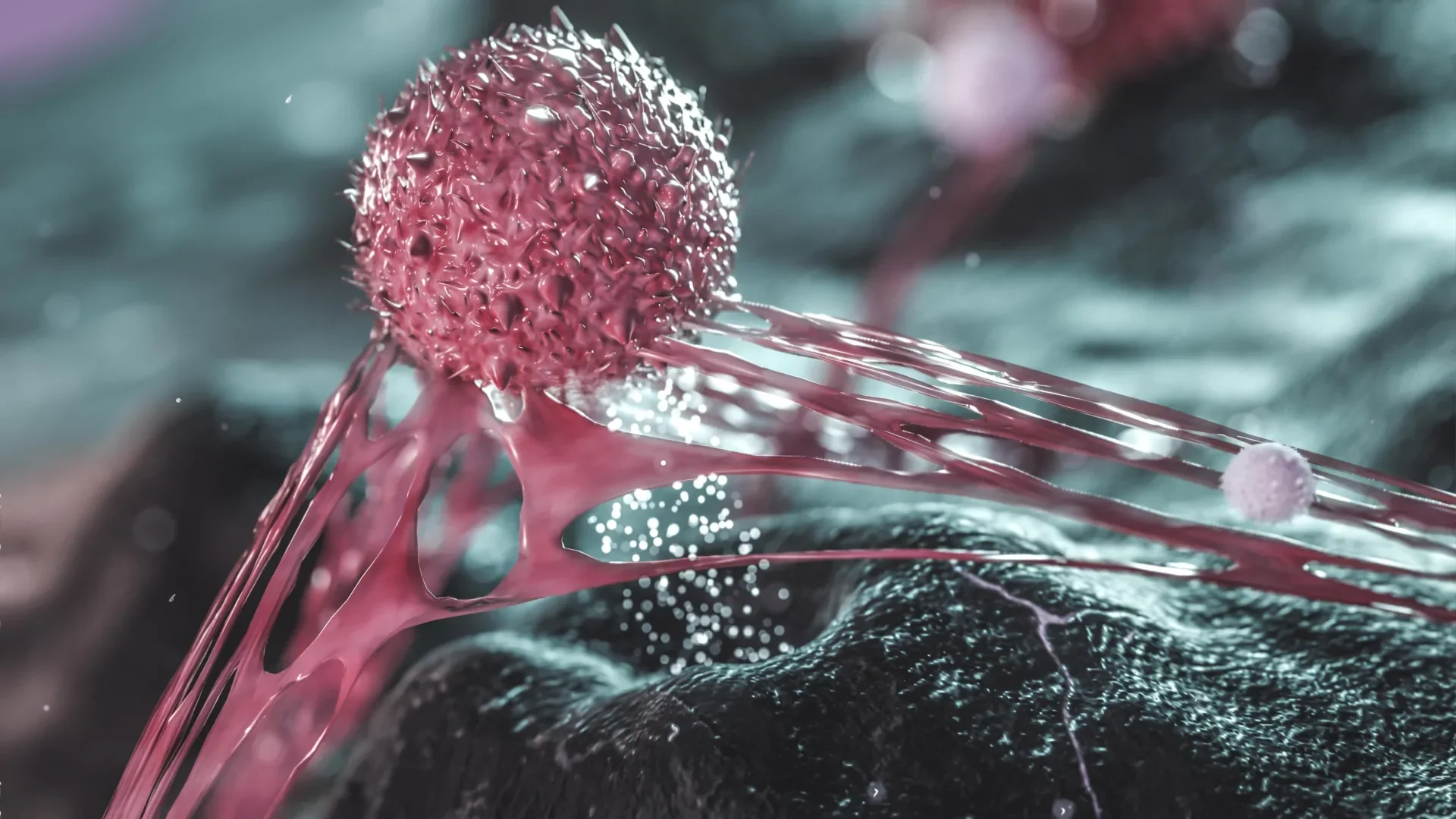
In an extraordinary turn of events, research conducted at The Wistar Institute has identified a previously unrecognized function of fructose, a sugar ubiquitous in modern diets, particularly in sweetened beverages and processed foods. This study sheds light on fructose's role in facilitating the spread of aggressive ovarian cancer after chemotherapy has rendered cancer cells dormant yet biologically active. The release of fructose by these survived cells is not simply an incidental metabolic process; it acts as a signaling molecule that destabilizes the adhesion between neighboring tumor cells, thereby promoting metastasis.
The implications of these findings, reported in Nature Aging, unveil not only a novel facet of cancer cell behavior but also raise crucial considerations about dietary influences and pharmacological treatments in oncological contexts. Aidan Cole, Ph.D., a postdoctoral fellow in the laboratory of Katherine Aird, Ph.D., emphasizes that even in states of quiescence following chemotherapy, cancer cells exhibit the ability to communicate with their microenvironment, primarily through the secretion of various biomolecules, with fructose emerging as a significant player.
Understanding the recurrence of ovarian cancer, which is often treated with platinum-based chemotherapeutics, mandates an in-depth examination of the mechanisms allowing cancer cells to evade eradication and proliferate within the peritoneal cavity. Traditional chemotherapy strategies aim to inflict DNA damage on neoplastic cells, yet the failure rate is alarmingly high, as recurrence is noted in a substantial number of patients. It is the metastatic phenomenon, accounting for nearly 90% of mortality associated with ovarian malignancies, that underscores the urgent need for research into the biology of cancer cell interactions and escape.
In an innovative experiment, Cole and his team isolated surviving cancer cells from the extracellular milieu and analyzed the effect of secreted substances on cancer spread. Their findings definitively demonstrated that these released signaling molecules alone were sufficient to enhance metastatic behavior in a preclinical model, thus shifting the paradigm from examining the cells themselves to scrutinizing their secretory products. This represents a pivotal advancement in understanding how the tumor microenvironment is manipulated by cancer cells to foster disease progression.
Delving deeper into the complexity of cellular communication, the investigation focused on identifying the specific agents responsible for the observed upregulation of aggressive behaviors in nearby cancer cells. The researchers were taken aback to uncover that fructose, a seemingly benign sugar, plays a fundamental role not merely as an energy substrate, but as a potent signaling molecule. Fructose's ability to circulate in the tumor microenvironment and modulate neighboring cell behavior raises significant alarm, particularly in light of ubiquitous dietary sources of the sugar, such as high-fructose corn syrup, which can comprise a staggering proportion of caloric intake for many individuals.
This nexus between diet and cancer progression prompts a re-evaluation of nutritional recommendations, particularly in the context of oncology. Notably, in preclinical settings, elevated fructose consumption akin to that found in sugary drinks exhibited a propensity to enhance signaling pathways associated with metastatic spread, suggesting that dietary management might play a critical role in cancer care strategies. Although the causal relationship between fructose ingestion and clinical outcomes in humans remains to be established, its status as a modifiable risk factor warrants further exploration.
Mechanistically, the study elucidated that fructose diminishes cholesterol biosynthesis in the exposed cancer cells, a process whose significance extends beyond cardiovascular health. Cholesterol is integral to the structural integrity of cell membranes and influences intercellular adhesion properties. The disruption of this balance via fructose-induced cholesterol suppression alters the adhesive interactions among tumor cells, akin to weakening biological glue that maintains cellular coherence. Hence, the detachment of cancer cells from their original niche becomes increasingly feasible, facilitating a process that seeds new metastatic colonies throughout the organism.
The discovery of fructose's unexpected influence on cholesterol production led the investigators to a fascinating inquiry regarding statins, widely prescribed agents for hypercholesterolemia. With approximately 39 million Americans consuming statins, the implications of this study extend into pharmacological parameters as well. The research indicated that statins, by similarly reducing cholesterol levels, could inadvertently weaken cellular connections among malignant cells, raising concerns about their role in the context of oncological therapeutics. Cole and Aird's ongoing studies aim to clarify whether these cholesterol-lowering medications influence chemotherapy efficacy in certain oncological scenarios, although the researchers caution against discontinuation of statin therapy without further evidence.
What emerges from this rich tapestry of discovery is an interconnected picture of how common dietary constituents and pharmacological agents may converge with the biology of cancer metastasis. As research further unpacks the intricate web linking dietary, genetic, and pharmaceutical factors in cancer progression, it opens new avenues for integration of nutritional strategies into standard care protocols, ultimately aiming for more effective mitigation of this deadly disease. The findings underscore a paradigm shift in our understanding of cancer biology, where even the most ordinary substances may hold extraordinary consequences for disease trajectory and treatment outcomes.