Field: Technology
Common forever chemicals linked to nearly double the rate of aggressive breast cancer
Published | Technical Staff
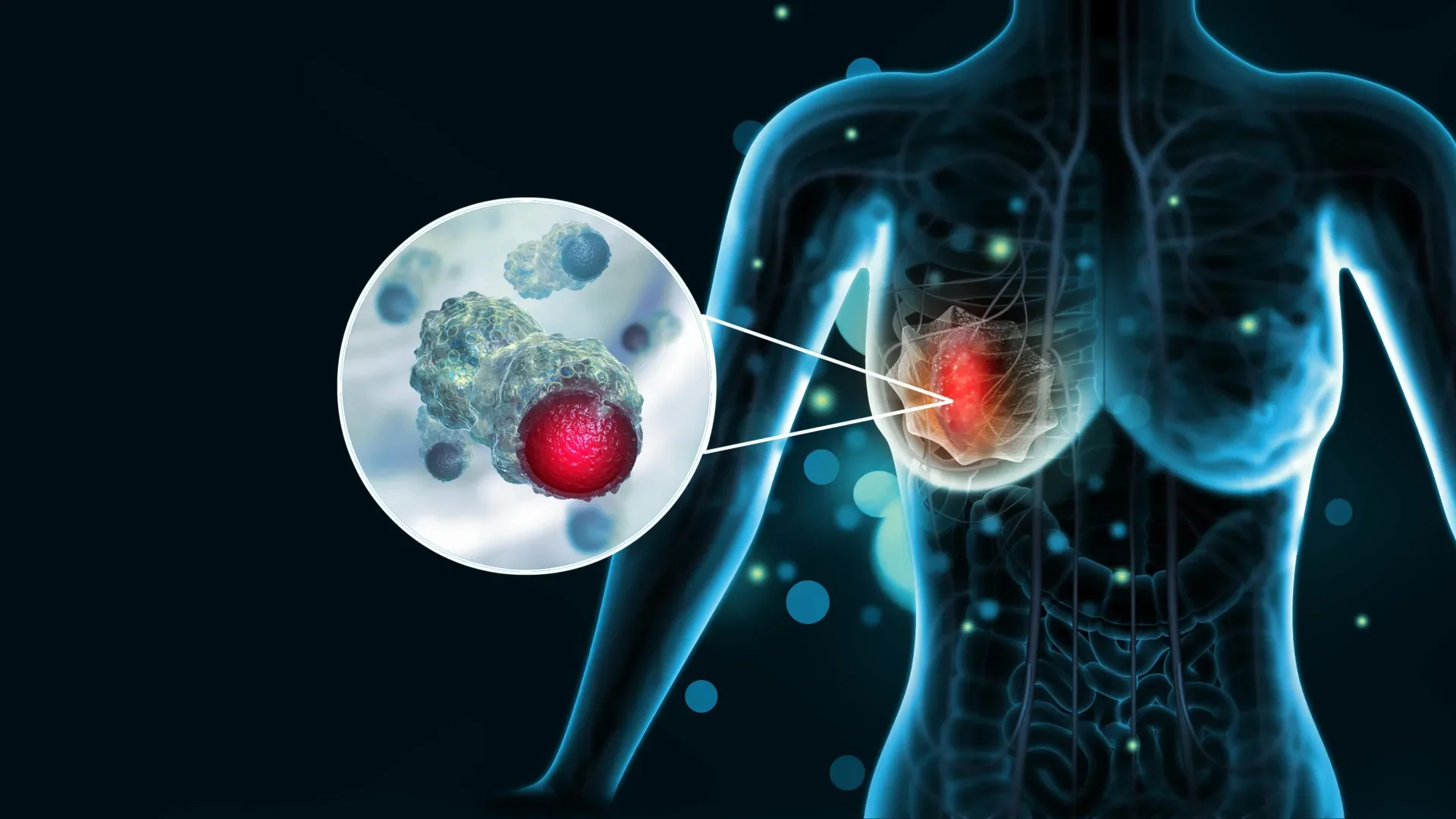
Visualization
In a pivotal study conducted by the National Institutes of Health, researchers have unveiled a troubling correlation between the presence of two pervasive per- and polyfluoroalkyl substances—perfluorooctanoic acid (PFOA) and perfluorooctanesulfonic acid (PFOS)—and a significantly increased incidence of estrogen receptor-negative (ER-negative) breast cancer. This form of breast cancer, known for its aggressive nature and resistance to conventional hormone therapies, has seen a notable level of alarm raised due to findings suggesting that women with elevated concentrations of these so-called “forever chemicals” may face an up to 93% heightened risk of developing this malignancy.
The term 'forever chemicals' encapsulates a vast array of synthetic compounds designed for durability. Their chemical inertia allows them to persist in both the environment and biological systems without significant degradation. PFOA and PFOS, in particular, have been utilized in an extensive range of consumer products such as non-stick cookware, firefighting foams, and stain-resistant fabrics, contributing to their ubiquitous presence in human biological matrices.
At the heart of the research lies the alarming discovery of the association between elevated PFOA and PFOS levels and ER-negative breast cancer. Fronting this investigative effort, Dr. Alexandra White and her colleagues performed an expansive analysis utilizing historic blood sample data derived from the Sister Study, a robust NIH platform that, since its inception between 2003 and 2009, has enrolled nearly 51,000 women with familial histories of breast cancer. This retrospective evaluation highlighted that among the participants who subsequently developed breast cancer, those in the highest decile of exposure to PFOA exhibited a 67% increase in incidence, while the same cohort concerning PFOS soared to a 93% elevation.
It is crucial to understand that these figures reflect relative risk disparities rather than absolute probabilities, submitting that continuous exposure to these compounds could be a contributing factor in developing the more intractable forms of breast cancer. Intriguingly, the link established between PFAS exposure and ER-negative breast cancer risks amplifies the urgency to elucidate the underlying biological mechanisms at play. It is notable that ER-negative breast cancers lack estrogen receptors that typically facilitate tumor growth, suggesting that PFAS may evoke oncogenic processes via pathways unassociated with hormonal interactions.
Dr. Che-Jung Chang, the primary author of the study, emphasized that while these findings reinforce the longstanding suspicion regarding the health implications tied to environmental chemicals, they also illuminate potential avenues for intervention. While PFAS compounds are notoriously resilient within ecological systems, exposure pathways are not immutably inscribed; thereby, public health initiatives may target reduction strategies to mitigate risks associated with these chemicals.
In pursuing the question of causation, researchers underscore the necessity for an in-depth exploration of the biological effects elicited by PFAS. The mechanisms by which these substances may promote oncogenesis remain to be properly delineated, and there is speculation that gene expression modifications or immune system perturbations could serve as mediating factors. Nevertheless, the intricate pathways involved require more granular inquiry.
Another layer to this discourse involves the emergence of newer PFAS compounds. Although PFOA and PFOS usage has decreased in response to regulatory pressures, the investigational focus must pivot toward understanding the health ramifications of their contemporaneous substitutes, which may perpetuate toxicological concerns similar to those of their precursors.
As research evolves, the call for comprehensive studies examining the health impacts of both legacy and novel PFAS on diverse populations becomes increasingly imperative. The connections that have been established in the current study serve as a clarion call for more focused examinations involving cohorts experiencing disproportionately high incidences of ER-negative breast cancer, thus comprehensively assessing the relationship between environmental exposures and cancer morbidity.
In closing, these alarming revelations regarding the link between exposure to persistent organic pollutants and a formidable breast cancer subtype accentuate the pressing need to intersect environmental science with public health policies, allaying associated risks and fostering a healthier future. The NIH research thus lays a crucial foundation for future exploration, embodying an intersection of environmental toxicology and oncology that warrants urgent attention and proactive management.