Field: Technology
Common Drugs May Compromise Viral Defense Mechanisms in Humans
Published | Technical Staff
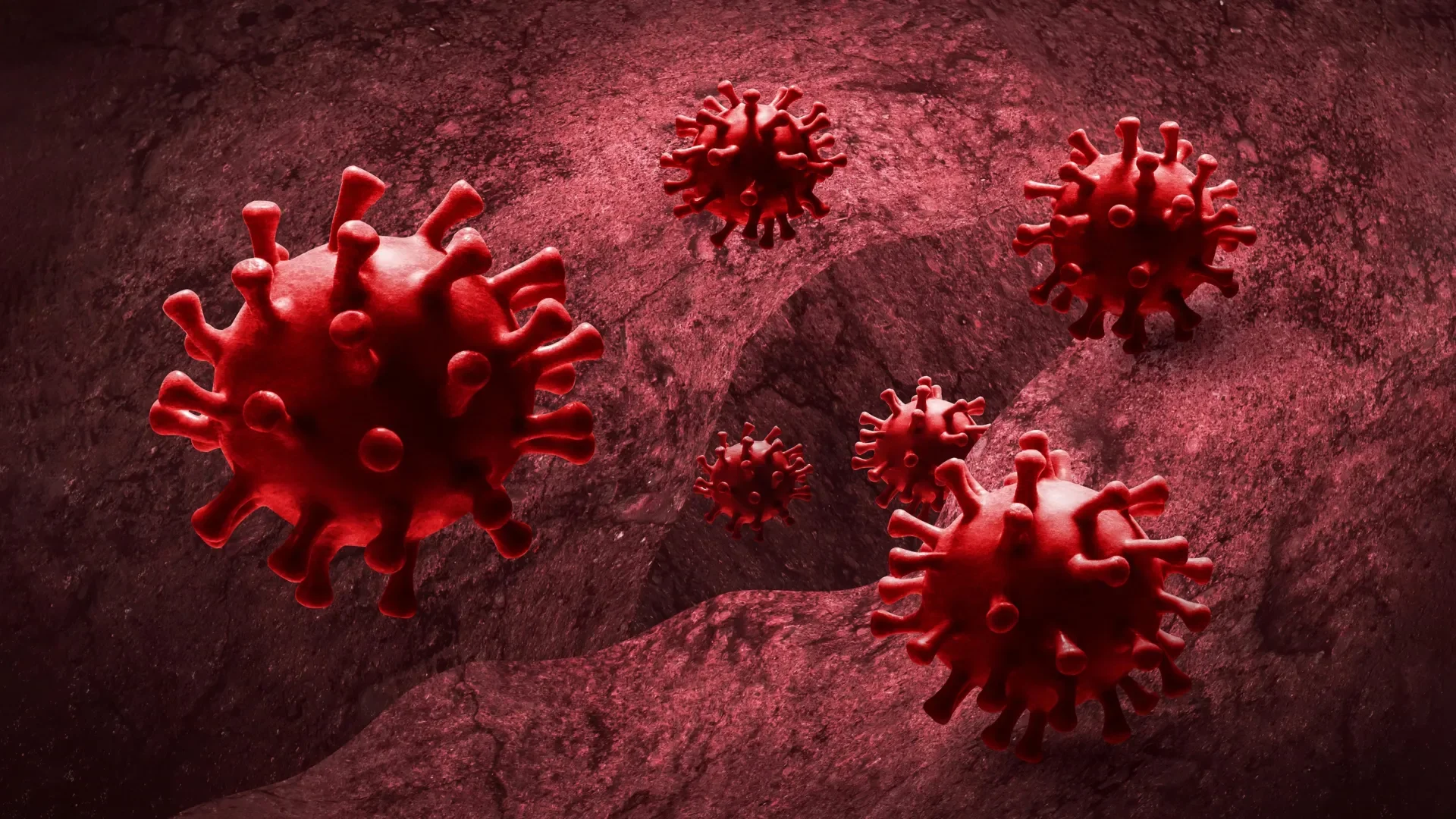
Visualization
In a groundbreaking revelation that could affect treatment protocols for millions of patients, researchers from the Norwegian University of Science and Technology (NTNU) have uncovered a troubling side effect of Janus kinase (JAK) inhibitors—widely prescribed anti-inflammatory medications. These findings indicate that JAK inhibitors, while effective in alleviating chronic inflammatory diseases such as rheumatoid arthritis, may unintentionally foster viral proliferation within the host, thereby intensifying the risk of infections like influenza and COVID-19.
Denis Kainov, a professor in the Department of Clinical and Molecular Medicine at NTNU, emphasizes the gravity of this discovery. He articulates that the immune-dampening properties that offer symptomatic relief in inflammatory conditions can simultaneously act as a double-edged sword, weakening the host's defenses against virulent pathogens. "These drugs inadvertently allow dangerous viruses to navigate through the body more freely and with greater ease," Kainov remarks.
Spearheading the inquiry, Erlend Ravlo, a PhD research fellow and first author of a study published in NAR Molecular Medicine, elucidates the underlying mechanisms. JAK inhibitors function by blocking signaling pathways integral to immune response. This inhibition undermines the expression of antiviral genes critical for safeguarding host tissues when faced with viral incursions. As a class, these therapies have become increasingly prevalent in clinical practice, leading to a pressing need for a rigorous reevaluation of their risk-benefit profiles, particularly in the context of active viral outbreaks.
The nexus between inflammation and virus defense mechanisms is complex. The immune signaling pathway impeded by JAK inhibitors is crucial for initiating appropriate cytotoxic responses, as well as recruiting immune effector cells that counteract viral spread. Notably, the research identified a suppression of the expression of genes pivotal for combating viral invasions, including those encoding interferon-stimulated genes (ISGs), which play a quintessential role in antiviral defense.
To dissect the pharmacological ramifications of JAK inhibitors on immune function, the research team employed advanced methodologies intertwining virology, gene expression analysis, and cutting-edge organoid technology. These approaches enabled a nuanced examination of JAK inhibitors across various human tissues, including pulmonary, ocular, and neural systems. Such specificity is crucial, considering the heterogeneous nature of immune responses across different organ systems.
Aleksandr Ianevski, coauthor of the study and an NTNU researcher, affirms the importance of these findings, stating, "The attenuation of the innate immune barriers, in conjunction with the antiviral defense mechanisms, could lead to an increased susceptibility to viral infections." This altered state of immune competence underscores the imperative for healthcare providers to adopt a more judicious prescribing approach—particularly during periods of heightened viral transmission.
The implications extend beyond immediate patient care. The same mechanisms that present risks in biological contexts might be strategically harnessed in controlled laboratory environments for vaccine development or to evaluate novel antiviral therapies. The researchers advocate for further investigations to delineate optimal usages of these immunosuppressive agents that minimize risks during outbreaks while maximizing therapeutic efficacy.
As Kainov and his team argue, there is an urgent need to elevate awareness but also to foster an understanding of the intricate interplay between anti-inflammatory medications and the immune apparatus. This research brings to light pressing questions about the safety profiles of JAK inhibitors, especially for populations with pre-existing viral conditions or during virulent outbreaks, thus urging the scientific and medical communities to converge on strategies that maintain efficacy while safeguarding patient health in an ever-evolving viral landscape.