Field: Technology
Colorectal Cancer's Alarming Resurgence: A 21st Century Conundrum
Published | Technical Staff
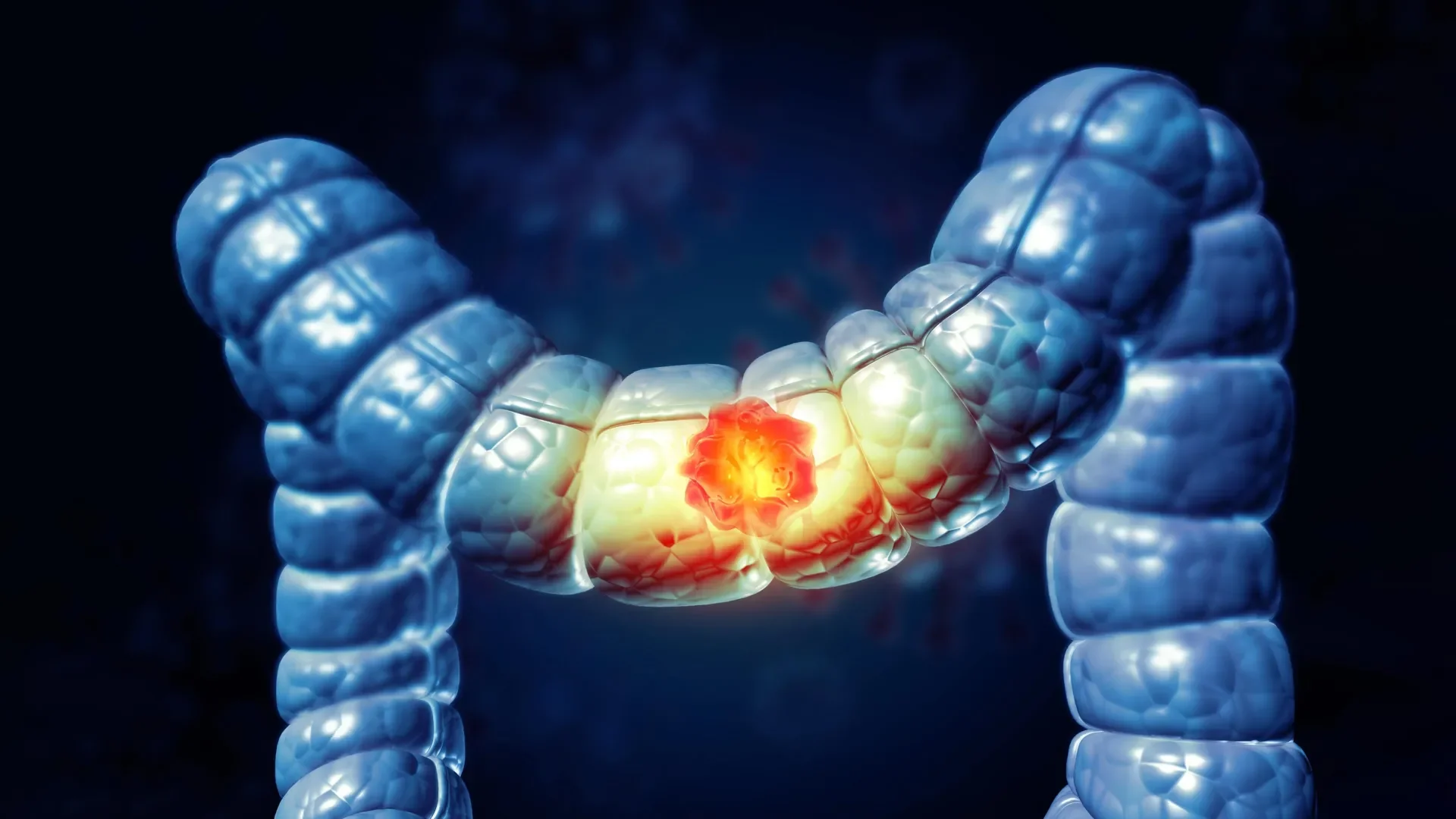
Visualization
After a two-decade lull, colorectal cancer in the United States has breached a worrying uptick, diverging from its historical trajectories. The precipitous rise of this malignancy, primarily noted among younger adults until recently, has alarmingly extended its grasp to older generations. The findings of a recent study published in NEJM Evidence signal a critical public health concern, as researchers reveal that colorectal cancer incidence is surging across nearly all demographics below the age of 70. This renewed epidemic is resonating loudly, given that colorectal cancer holds the grim distinction of being the second leading cause of cancer-related mortality in the nation, notably capturing the top rank among individuals under 50.
To unravel this perplexing resurgence, an investigative team led by Caitlin Murphy, PhD, MPH, from the University of Chicago, meticulously analyzed colorectal cancer incidence data sourced from the National Cancer Institute, spanning the years 2000 through 2023. Their results unfurl a jarring reality: the age-adjusted incidence metric, previously cherished as a declining trend, fell to a low of 36.7 cases per 100,000 people in 2022 only to spike back to 38.3 in 2023—the first overall increment in over two decades. For perspective, in the year 2000, the incidence rate stood at 55.2.
Murphy's observations reveal an unsettling transition, where rates of colorectal cancer are now ascending in individuals aged 65 to 69, suggesting an ominous interplay of historical screening efforts and new tumor genesis. “This marked upturn aligns with what I have feared—the ‘birth cohort effect’ is coming to fruition,” Murphy articulates. This phenomenon encapsulates how cohorts of individuals born within specific temporal contexts exhibit shared risk patterns, a trend that becomes increasingly pronounced as they transition into mid-life and beyond. Notably, those born in the 1960s and onward are now manifesting a worrisome vulnerability to colorectal cancer as they age.
Among the most astonishing revelations from their work is the striking 12.76% annual increase in colorectal cancer incidence for adults between 45 and 49 years old, a group that has recorded the most significant rise throughout the study's monitored demographics. Interestingly, this escalation aligns with the national adjustment in screening recommendations, which lowered the initiation age for routine colorectal cancer screening from 50 to 45. Increased screening clearly plays a role in early detection; yet, the widespread escalation of cancer rates in older age groups, including the 65-69 cohort, indicates that additional, unidentified factors overshadow these efforts.
In a quest to establish the roots of this distressing trend, the team sought to assess whether the COVID-19 pandemic’s disruptions had any bearing on their findings. However, the significant uptick observed persisted even after excluding 2020 and 2021 data, indicating that pandemic-related anomalies are unlikely culprits for the rising incidence numbers reported in 2023. Murphy articulates a contextual urgency, asserting that the emerging patterns compel an in-depth examination of the factors contributing to this troubling resurgence, enabling potential risk identification and mitigation strategies to be developed.
Compounding the complexity of this issue is the notable escalation of early-onset colorectal cancer—defined as cases in individuals under 50—which rose approximately 3% annually from 2013 to 2022. The spotlight has rightfully shone on the trials faced by those diagnosed at such a tender age. Yet, the latest findings suggest that comprehending the underlying causes of this younger demographic’s plight could illuminate the broader epidemiological shifts affecting older populations as well. For every revelation, a fundamental query lingers: what external risk factors or environmental influences are at play?
In pursuit of answering this existential inquiry, Murphy is collaborating with toxicologist Xin Hu, PhD, from Emory University, to explore the potential role of environmental chemical exposures in colorectal cancer etiology. Their strategic approach involves the analysis of minuscule blood samples to gauge exposure to thousands of chemicals simultaneously. Identifying any link between these substances and colorectal cancer risk could provide invaluable insights into why this condition is resurfacing across generational lines.
Taking this investigation further, the researchers plan to collaborate with Sonia Kupfer, MD, director of the Gastrointestinal Cancer Risk and Prevention Clinic at UChicago Medicine, to evaluate how these environmental chemicals act upon colon tissue. Utilizing organoid technology—miniaturized, lab-grown models that echo the architectural features and physiological properties of the colon—they aim to elucidate the biochemical pathways through which specific exposures may incite malignancy.
As this intricate narrative unfolds, the urgency of continued cancer screening efforts and surveillance becomes ever more poignant. The researchers advocate for sustained monitoring of national colorectal cancer statistics, as year-on-year registry updates illuminate the landscape of this disease's trajectory. A prudential word of caution is echoed by Murphy about the potential repercussions of the current trend. With younger cohorts moving into older age brackets and colorectal cancer’s grip tightening, the healthcare system and society at large must brace for the upsurge—a looming wave of new cases that could strain treatment capacities and long-term care resources.
The metamorphosis in colorectal cancer patterns compels us to scrutinize a confluence of factors—birth cohorts, environmental exposures, screening efficacy, and healthcare accessibility—that inform our understanding of this malignancy. In the face of unprecedented resurgence, the stakes are high, manifesting an urgent reflation in awareness and proactive measures against a cancer that, for too long, has found itself in a misleading decline. The road ahead necessitates vigilant inquiry, collaborative action, and a renewed commitment to deciphering the complex layers surrounding colorectal cancer in the 21st century.