Field: Technology
Cold Sore Virus Leaves Mark on Brain’s Immune Cells, Animal Study Shows
Published | Technical Staff
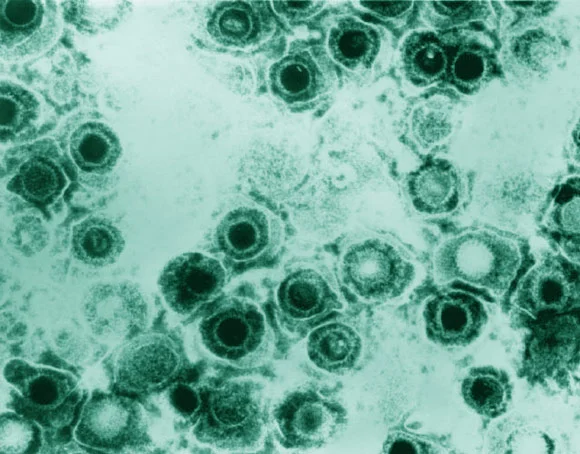
Visualization
In a groundbreaking study emerging from the University of Colorado Anschutz, researchers have unveiled critical insights into the complex interactions between herpes simplex virus type 1 (HSV-1) and the brain’s central immune responders, microglia. This research delves into the biological chaos wrought by the cold sore virus, a pathogen that silently afflicts a staggeringly high percentage of the global population, establishing a persistent yet dormant presence within the nervous system. While HSV-1 typically occupies an innocuous niche, emerging evidence has begun to illuminate a troubling association between latent infections and neurodegenerative diseases such as Alzheimer’s.
At the heart of this study lies a salient exploration of how HSV-1 instigates shifts in microglial dynamics within specific regions of the brainstem. Microglia, often dubbed the brain’s security apparatus and custodial workforce, are fundamentally tasked with both surveillance and maintenance of neural microenvironments. They typically modulate their states of activity in response to various stimuli; however, upon HSV-1 invasion, these cells revert to an operative state characterized by heightened vigilance and defensive mobilization—essentially transitioning into an 'emergency mode'.
Dr. Christy Niemeyer, one of the co-senior authors of the research, elucidates this phenomenon, stating, “When HSV-1 enters the brain, these cells shift into emergency defense mode.” While this immediate response is crucial for combating the virus, the ramifications extend further: sustained activation may severely impede microglial performance in routine maintenance processes, persisting even after the viral load has subsided.
In the meticulous framework of their experimental design, the research team initiated an infection in murine models with a pathogenic strain of HSV-1. Detailed examinations were conducted six days post-infection, a timeline correlated with the zenith of the innate immune response. Harnessing advanced molecular techniques, they rigorously cataloged the cellular responses to the HSV-1 assault, spatially mapping the ensuing genomic alterations.
Their findings illuminated an intriguing cohort of microglia exhibiting significant dominance of interferon signaling pathways—a hallmark of antiviral defense mechanisms. Parallel to this upregulation, genes responsible for microglial protective and maintenance functions experienced marked downregulation. This juxtaposition of hyper-reactive and compromised states paints an intricate picture of localized immune dysregulation spurred by HSV-1.
Additionally, the study unveiled profound changes in chromatin architecture, the structural form of DNA that carries genomic information within cells. Such modifications may have far-reaching implications, as alterations in chromatin structure can directly influence gene expression efficacy. Dr. Kimberley Bruce, also a co-senior author, emphasized the similarity of the immune modulation patterns induced by HSV-1 to those typically associated with other factors implicated in the pathogenesis of Alzheimer’s disease. “Although we have not established that HSV-1 causes Alzheimer’s,” Dr. Bruce noted, “it highlights the immune programming of microglia as a common factor linking infection, aging, and genetic risk factors.”
The intricate interplay between genetic predispositions and environmental triggers like viral infections presents a multifaceted risk profile for the development of Alzheimer’s disease. As Dr. Niemeyer insightfully pointed out, the braiding of genetic and environmental factors into the causative tapestry of Alzheimer’s is a pivotal area of research. She remarked, “Understanding how a common virus changes the brain’s immune environment may help us identify why some individuals become more vulnerable to neurodegeneration.”
The implications of this research extend far beyond virology, reaching into the depths of neuroimmunology and the complex pathways underlying neurodegenerative diseases. As scholars continue to peer deeper into the mechanisms by which HSV-1 manipulates the brain’s immune landscape, the study offers a promising lens through which to interpret chronic conditions like Alzheimer’s. By unraveling these connections, future therapeutic avenues may emerge, potentially providing pathways to mitigate the risks associated with not only HSV-1 but also other environmental factors that influence cognitive decline. The research was meticulously compiled and subsequently disseminated in the esteemed journal PLoS Pathogens, enriching the scientific discourse surrounding the interplay of viral infections and neurologic health.