Field: Technology
Coffee Drinkers’ Gut Looks Different, Danish Study Finds
Published | Technical Staff
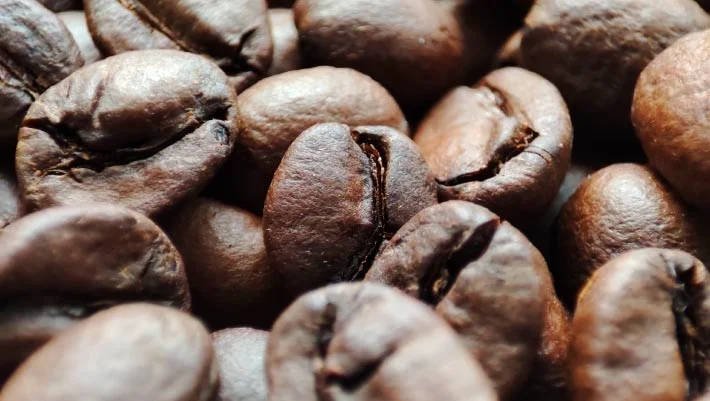
Visualization
A recent investigation spearheaded by researchers at the University of Copenhagen has unveiled compelling insights into the complex interplay between habitual coffee consumption and the gut microbiome. This study, conducted by Francesca Bucci and her colleagues, delves into the burgeoning realm of dietary impacts on gastrointestinal health, shedding light on how coffee might modulate our internal microbial communities as well as influencing gut physiology.
With coffee reigning as one of the most prevalent beverages worldwide, its significance to human nutrition cannot be overstated. The beverage has been engulfed in centuries of cultural richness and scientific inquiry, offering potential health benefits ranging from decreased risks of all-cause mortality to mitigating cognitive decline and certain malignancies. The biochemical intricacies of coffee, which houses over a thousand bioactive compounds—including methylxanthines, phenolic acids, and polysaccharides—underscore its nutritional complexity. Understanding these compounds is pivotal. For instance, certain phenolic acids and undigested fibers serve as prebiotic substrates, stimulating beneficial gut microbiota.
In this carefully structured study, researchers monitored 61 healthy adult volunteers over a span of nine days, meticulously tracking their food and beverage intake while analyzing urine samples for caffeine and its metabolic derivatives. A striking feature of the methodology included the use of a wireless capsule that traversed the gastrointestinal tract, providing real-time measurements of acidity, pressure, and peristaltic movements. This innovative approach enabled the researchers to gather data with remarkable precision.
Among the 61 participants, approximately 48 habitually consumed coffee on more than three of the eight monitored days. A significant finding emerged from stool sample analyses, revealing that regular coffee drinkers exhibited augmented microbial richness. Notably, members of the bacterial genera Lawsonibacter and Slackia flourished among coffee aficionados, suggesting an intricate interplay between coffee consumption and microbial diversity. The prominence of Lawsonibacter aligns with previous studies that have hinted at its associations with coffee—a microbe that presents promising avenues for further exploration in the context of human health.
Digging deeper into physiological implications, researchers noted that higher concentrations of caffeine metabolites in the urine correlated with enhanced colonic contractions. These findings hint at a robust relationship between caffeine and gastrointestinal motility. Moreover, contrasts in gut acidity between frequent and occasional coffee drinkers indicated a less acidic environment in the small intestine of those who indulged regularly, an observation that resonates with findings from external studies linking coffee consumption to various digestive processes, including the regulation of gastric acid secretion.
Dr. Henrik Munch Roager of the University of Copenhagen articulated a cautious optimism concerning the implications of these findings, suggesting that the observed phenomena are likely not mere coincidences. Indeed, anecdotal evidence from coffee drinkers often points to noticeable effects on digestion, and now, this scientific inquiry lays a more rigorous foundation for exploring those claims.
Published in the journal Gut Microbiology, the findings of Bucci et al. add a significant layer to the contemporary understanding of diet-gut interactions. With investigations like these paving the way, the coffee-drinking population can take heart in the prospect that their daily ritual might be doing much more than providing a caffeine kick; it may also be actively fostering a healthier gut environment. As science continues to elucidate the complexities of our microbiomes, coffee might just emerge as a key player in shaping our digestive health landscape.