Field: Technology
Cannabis addiction linked to 57% higher odds of suicidal thoughts
Published | Technical Staff
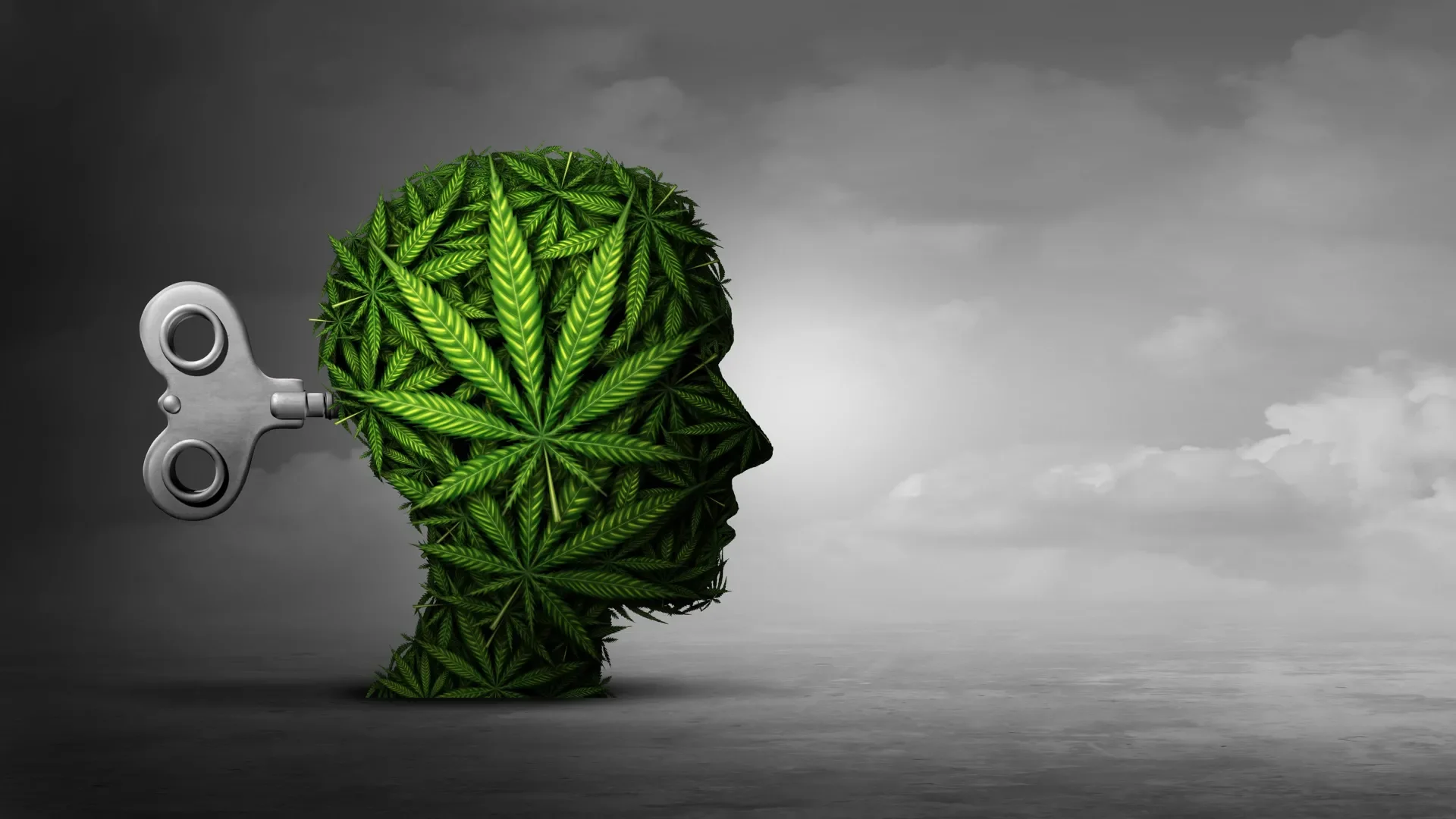
Visualization
In an era where the acceptance and legality of cannabis have expanded significantly, a comprehensive new study draws attention to the potential mental health risks associated with cannabis use disorder. Involving over 415,000 American adults, the research reveals a stark correlation between addiction to cannabis and an alarming 57% increased probability of experiencing suicidal thoughts. This startling statistic emerges from a meticulous examination conducted between 2014 and 2023, coinciding with a period of shifting perceptions and regulatory landscapes surrounding marijuana use across the United States.
Published in the esteemed Journal of Studies on Alcohol and Drugs, the findings are led by Tosin Philip Oyetunji, MPH, a doctoral candidate at the University of California, Merced. The pivotal insight from this research is that the association between cannabis use disorder—characterized by an inability to control cannabis consumption despite adverse consequences—and suicidal ideation has maintained its potency, irrespective of the dramatic legal and social changes surrounding marijuana. Surprisingly, the data indicates that this relationship has not intensified over the past decade, indicating an enduring, though troubling, trend that experts believe warrants immediate professional scrutiny.
The study’s use of data from the National Survey on Drug Use and Health underscored that not only was this connection robust across a variety of demographics—including divides of age, gender, and race—but that women and younger individuals faced particularly heightened risks. This broad demographic vulnerability raises questions about the protective measures and support systems currently in place for these populations.
What compounds the gravitas of these findings is their persistent nature, remaining unchanged even when controlling for other mental health factors such as depression and psychological distress. As Sidra Goldman-Mellor, PhD, the study's senior author and a public health professor at UC Merced, illustrates, while the legal framework for cannabis use has evolved—legalization in half the states and the emergence of highly potent derivatives—the mental health outcomes for individuals with cannabis use disorder reveal a need for greater awareness. The stability of this association, even amid shifting cultural landscapes, suggests that rates of suicidal thought do not actually escalate with greater access to cannabis; rather, the already high risk persists.
However, interpreting these findings requires caution; the study's results do not imply a direct causative link between cannabis use disorder and suicidal thoughts. The analysis delineates an association, opening a complex discussion surrounding the potential interplay between underlying mental illness and the risks associated with problematic cannabis consumption. It remains unclear if struggles with mental health issues precipitate both cannabis use disorder and suicidal ideation, or if specific environmental or genetic factors contribute to both conditions.
What stands out in the wake of this study is the call to action for healthcare practitioners. Oyetunji emphasizes the importance of comprehensive mental health screenings that extend beyond a mere inquiry into substance use. Patients battling cannabis addiction may inadvertently be grappling with suicidal ideation, particularly if they do not overtly express their distress. Establishing protocols for mental health assessments that include probing for suicidal thoughts alongside inquiries about cannabis use could aid in uncovering at-risk individuals who might otherwise fall through the cracks in a healthcare system focused primarily on substance use symptoms.
In light of the shifting societal perspectives on cannabis—from viewing it as an illicit drug to recognizing potential medicinal benefits—the study highlights a critical conundrum. Even as the narrative around marijuana transforms, the latent mental health crises linked to its misuse will persist if left unaddressed. Public health experts and policymakers must thus navigate the delicate balance between promoting access through legalization while safeguarding against the mental health ramifications identified here.
As the conversational and legislative tide continues to turn in favor of cannabis, it is crucial that stakeholders remain vigilant—monitoring for high-risk behaviors, facilitating supportive environments, and ensuring that the complexities of cannabis use disorder are acknowledged and treated with the gravitas they deserve. Oyetunji’s poignant caution calls for an ongoing commitment to evaluating the implications of cannabis use, particularly for populations grappling with addiction, underscoring a vital public health priority as society continues to embrace this once-stigmatized substance.