Field: Technology
Cancer-fighting chewing gum slashes HPV levels by up to 93%
Published | Technical Staff
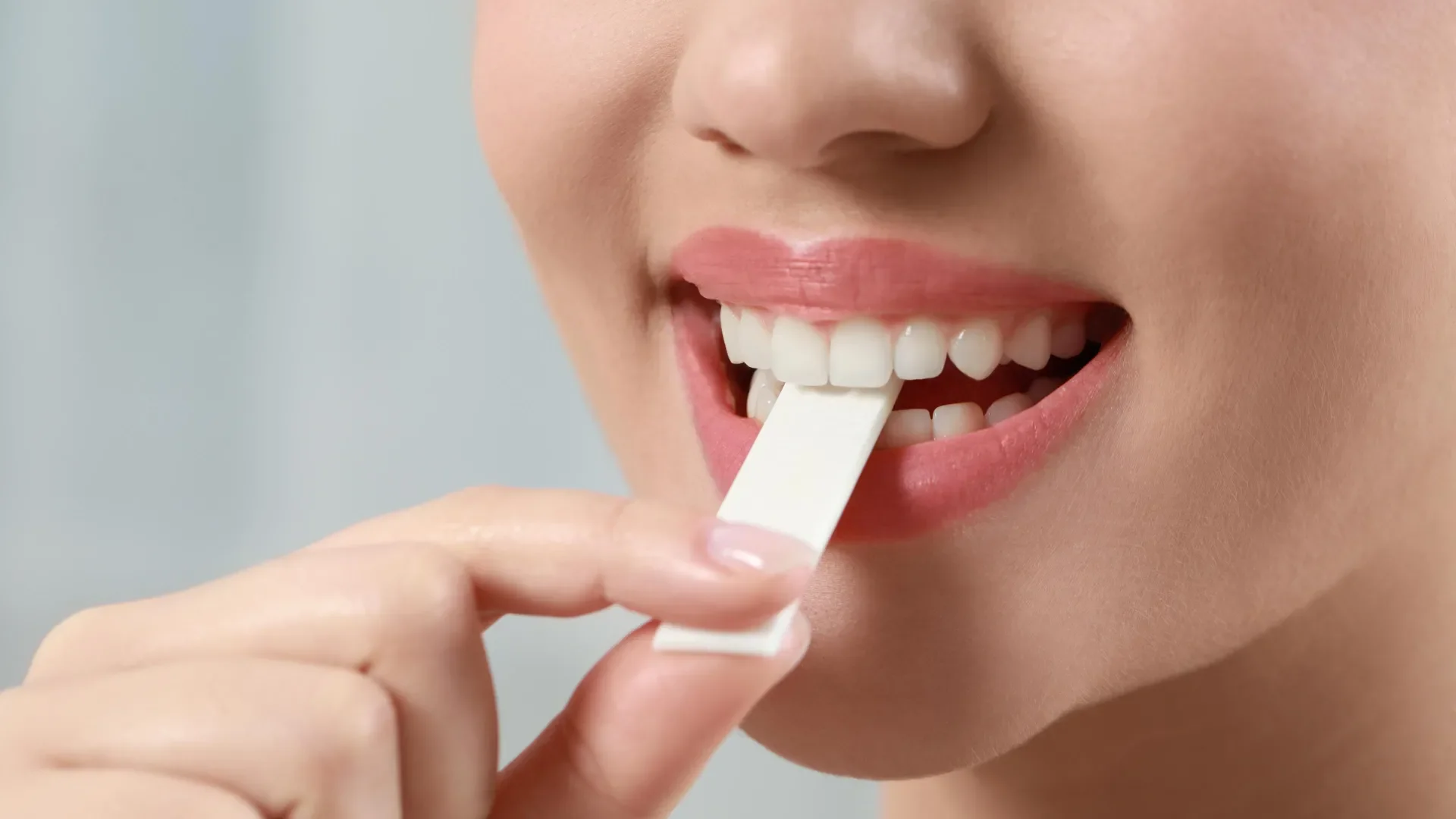
Visualization
In a groundbreaking development that bridges the seemingly disparate worlds of everyday consumer products and cutting-edge medical research, a team at the University of Pennsylvania has introduced a bioengineered chewing gum that has exhibited remarkable pharmacological properties. Targeting the pervasive threats posed by human papillomavirus (HPV) and certain oral bacteria, this innovative gum has demonstrated the potential to drastically reduce HPV levels in oral samples from cancer patients by as much as 93%, while also nearly eliminating two clinically significant bacterial species—Porphyromonas gingivalis and Fusobacterium nucleatum—with minimal impact on beneficial oral microbiota.
The research, led by Henry Daniell, a prominent figure at the School of Dental Medicine, arises from an ongoing quest for more effective therapeutic options to combat head and neck squamous cell carcinoma (HNSCC). This particular malignancy, characterized by its origin in the squamous cells lining the mouth and throat, has increasingly been linked to the persistence of HPV infections alongside detrimental oral bacterial species. These elements build a complex interplay that complicates treatment efficacy and patient prognoses, particularly in advanced stages of the disease.
Historically, the treatment landscape for HNSCC has proven to be arduous, with conventional therapies frequently falling short in significantly enhancing patients' quality of life or improving long-term survival rates. The pressing need for innovative interventions has led researchers to consider the oral microbiome as a treasure trove of possibilities for therapeutic exploitation. By investigating pathogenic microbes associated with HNSCC—specifically, HPV, Pg, and Fn—scientists aim to unveil new avenues for interception before these microbial agents can contribute to disease progression.
At the core of this research is a novel formulation derived from lablab beans, which has been optimized to yield FRIL, a naturally occurring protein with potent antiviral attributes. The gum, which serves as a drug delivery vehicle, was subjected to thorough testing with oral samples from cancer patients. The results indicate an impressive reduction of HPV levels by 93% in saliva and by 80% in oral rinse samples. This substantial decrease reinforces the hypothesis that proteins can be effectively delivered to mitigate the viral load associated with head and neck cancers.
Elevating the gum's potency, researchers imbued it with protegrin—an antimicrobial peptide renowned for its ability to disrupt bacterial cell membranes. Peptides are chains of amino acids, and in this context, they function as direct antagonists of pathogenic microbes. Following the introduction of protegrin into the formulation, a single administration of the engineered gum extract yielded a dramatic reduction of Pg and Fn to almost undetectable levels. Such targeted activity against harmful bacteria, while preserving the integrity of non-pathogenic microbes, marks a significant pivot from traditional antibiotic treatments that often result in dysbiosis—an ecological imbalance in the microbiome.
The preservation of beneficial bacteria is crucial, as the oral microbiome performs essential functions relevant not only to oral health but also to systemic well-being. Treatments like radiation, commonly used in head and neck cancer, can adversely affect the microbiome, creating an environment where opportunistic infections can flourish. In stark contrast, the experimental gum's selective targeting may offer a dual therapeutic benefit: mitigating harmful organisms while ensuring the survival of protective ones.
Compellingly, these initial findings, published in the journal Scientific Reports, evoke the necessity for subsequent clinical trials. While the current results stem from laboratory settings using patient-derived samples, the transition to human trials is imperative to ascertain whether the observed microbial reductions translate into tangible improvements in patient outcomes. Daniell's team is optimistic about the potential for this prophylactic approach—envisioning a day when specially formulated chewing gum could be integrated into cancer treatment protocols, serving as an adjunct to conventional therapies.
The global burden of lip and oral cavity cancers underscores the urgency for novel solutions, as evidenced by their incidence and mortality rates climbing significantly. Daniell asserts that the call for innovative preventative measures is louder than ever. By leveraging a ubiquitous consumer product like chewing gum, researchers may not only provide an inexpensive means of delivering protective proteins directly into the oral cavity but also achieve a significant public health intervention against oral infections and the cancer cascade associated with them.
As ongoing investigations unfold, the promise of this experimental technology lingers on the horizon: a potential marriage of daily habits with sophisticated biotechnologies that could redefine our approach to disease management. Though still in nascent stages, the gum’s ability to combat HPV and associated bacterial threats stands as a beacon of hope for a future where cancer prevention could be as simple as a chew—a testament to the innovative spirit driving modern science.