Field: Technology
Cancer Exploits Antioxidants to Disarm Immune System, Paving Way for Novel Therapeutic Strategies
Published | Technical Staff
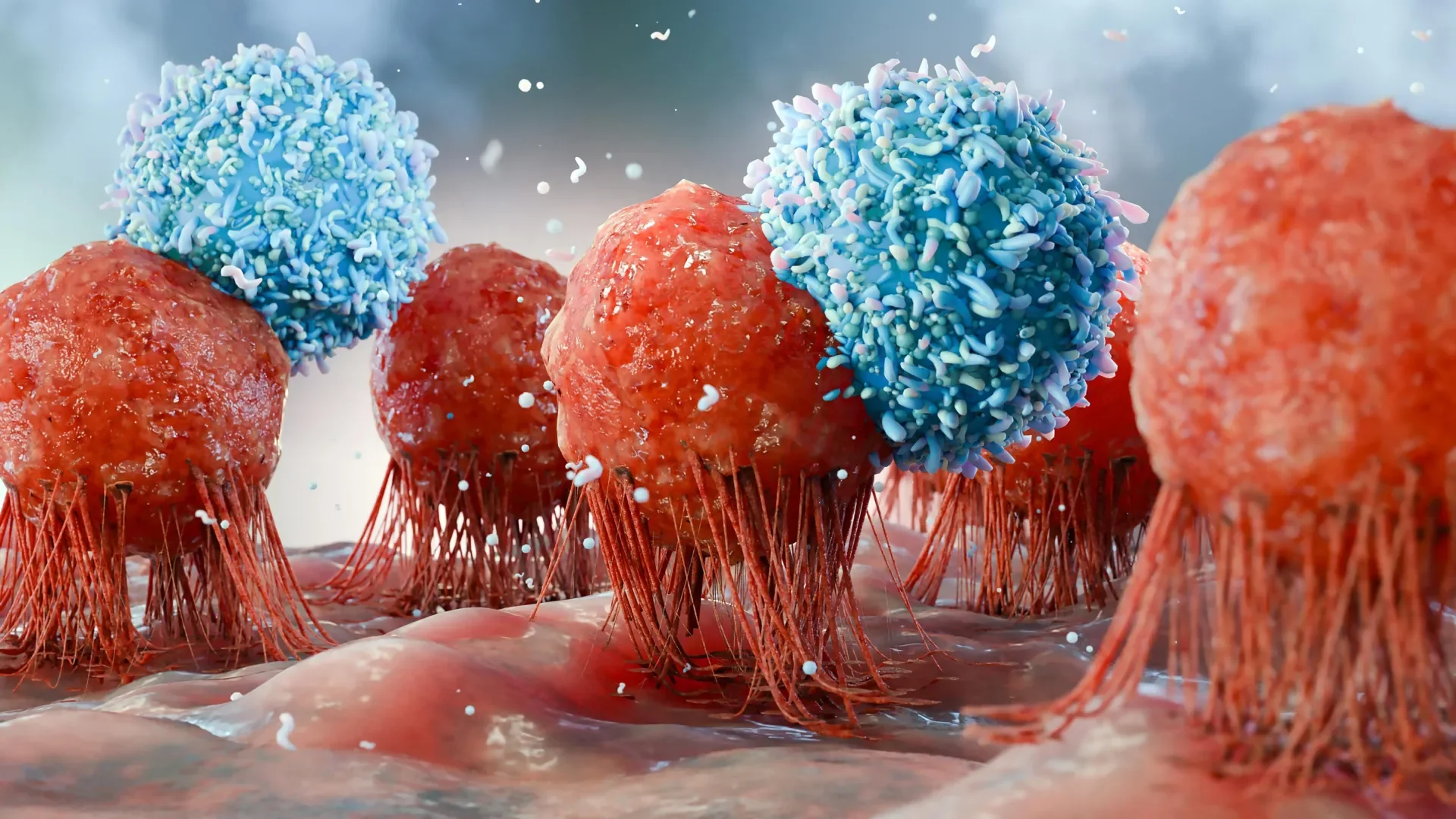
Visualization
In an extraordinary revelation that reshapes our understanding of the interplay between cancer and the immune system, a collaborative team from the University of Cambridge and Oregon Health & Science University has illuminated how tumors exploit antioxidants to undermine the body's defenses. Their findings, recently published in *Science*, unveil a sophisticated mechanism wherein tumors manipulate the presence of naturally occurring antioxidants, disarming critical immune cells essential for anti-cancer activity.
Historically, antioxidants have garnered attention as protective agents against cellular damage, primarily due to their ability to neutralize reactive oxygen species (ROS)—a category that includes harmful free radicals. This conventional perspective, however, has clouded a nuanced biological function of these molecules. The pivotal study indicates that certain immune cells, notably cytotoxic T lymphocytes, necessitate modest amounts of ROS to potentiate their anti-tumor responses. In a surprising twist, tumors leverage this requirement to their advantage by secreting large quantities of a specific antioxidant protein known as Peroxiredoxin 1 (PRDX1), creating a microenvironment that hampers T cell activation and impedes their cytotoxic functions.
PRDX1's modus operandi involves the scavenging of ROS, which diminishes the chemical signals necessary for T cells to transition from a resting state into an active, aggressive mode targeting malignant cells. The Cambridge-Oregon research team discovered, through meticulous analysis of tumor microenvironments in mouse models, that this shielding effect dramatically diminished the cytotoxic capacity of T cells, allowing tumors to proliferate unrestrained. Quantitative assessments demonstrated that the concentration of PRDX1 in tumor fluid correlates negatively with T cell activation, thus highlighting its role as a biological suppressor in oncogenesis.
To elucidate the therapeutic potential of countering this disarming mechanism, researchers employed CRISPR gene-editing technologies to generate PRDX1-deficient cancer cell lines in murine subjects. The results were revelatory; tumor growth rates were significantly inhibited when PRDX1 was absent, suggesting that removing the antioxidant barrier reinstated immune surveillance and reactivated T cell responses. This experimental validation was bolstered by complementary studies examining the secretion profiles of PRDX1 across various human cancer cell lines, alongside an analysis of gene expression data from thousands of human tumors, all of which reinforced the universality of this mechanism in human neoplasias.
Despite the promising findings, the implications extend beyond just an understanding of tumor immunology. They offer a new therapeutic angle that could revolutionize cancer treatment modalities, particularly immunotherapy. Current immunotherapeutic strategies often falter against tumors resistant to conventional treatments. The capacity of tumors to evade immune detection through the release of PRDX1 suggests that strategies targeting this pathway could restore efficacy in previously non-responsive malignancies.
Lead authors from the research team, including Dr. Xan Wesolowski, emphasize that this discovery compels a reevaluation of the dichotomy between ROS as solely detrimental cellular byproducts and their critical role in immune function—a narrative they argue has been insufficiently explored. As they underscore, "Our study develops this picture, revealing that tumors can exploit this very dependency to evade elimination."
Professor Rahul Roychoudhuri alludes to the broader implications, noting, "We've uncovered a new pathway through which cancers suppress the immune system. Targeting this mechanism could transform how we approach treatment for immunotherapy-resistant cancers." Alongside this is the need for rational chemical strategies that could involve the introduction of specific pro-oxidants to stimulate T cell activity rather than using traditional antioxidants, thereby enhancing the immune response against tumor cells.
Amid these transformative insights lies an intriguing discussion regarding the longstanding debate surrounding antioxidant supplements and their role in cancer prevention. Numerous clinical trials have yielded inconclusive results on whether antioxidant supplementation confers any protective benefits, with some studies even associating such practices with adverse outcomes. The research team's findings elucidate a potential explanation: while antioxidants serve to neutralize ROS, their indiscriminate neutralization could inadvertently obfuscate the immune system's capability to recognize and target malignant cells.
Cautiously, the researchers advise that transitioning biochemical insights into clinical practice requires further exploration to ensure safety and efficacy before altering dietary regimens or supplement protocols for patients grappling with cancer. As these findings continue to resonate within both scientific and medical communities, the path forward promises to reshape the landscape of cancer therapeutics, harnessing the nuanced roles of biochemicals in the relentless fight against malignancy.