Field: Technology
Ancient Siberian tomb reveals surprising secrets of cannabis use 2,800 years ago
Published | Technical Staff
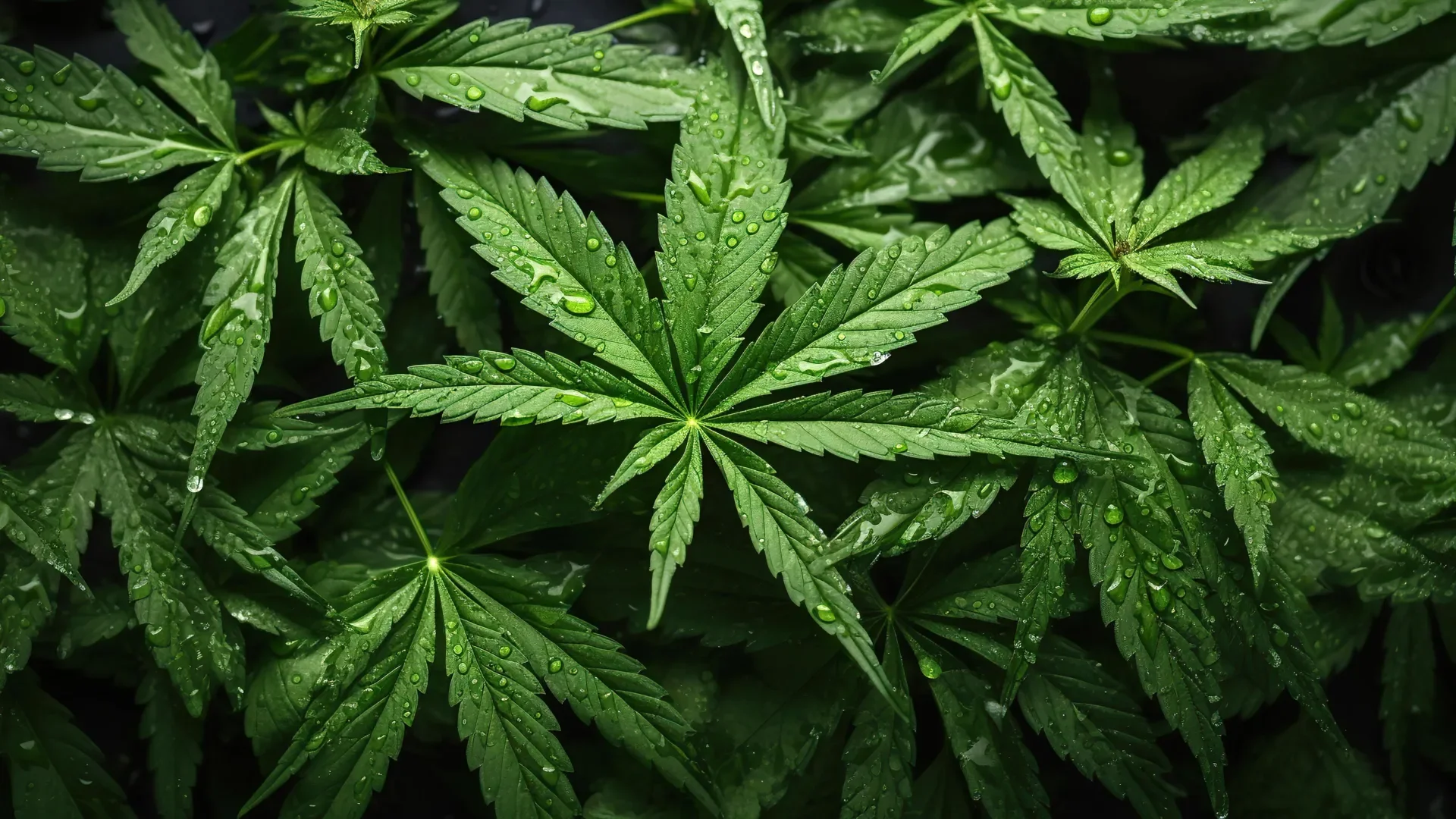
Visualization
In a groundbreaking study, researchers have unveiled artifacts and biochemical evidence that not only document the use of cannabis in ancient burial practices but also offer the oldest directly dated archaeological proof of psychoactive cannabis consumption. This discovery, made within a burial site in the Republic of Tyva, Siberia, dates back approximately 2,800 years and provides profound insights into the socio-cultural dynamics of the Scythian people, a nomadic society known for their equestrian skills and elaborate funerary traditions.
The excavation was spearheaded by Dr. Gino Caspari from the Institute of Archaeological Sciences at the University of Bern, in collaboration with the Max Planck Institute of Geoanthropology. Researchers recovered about 1,000 cannabis seeds from the tomb, employing advanced radiocarbon dating techniques to precisely ascertain the temporal placement of these finds. The analysis yielded radiocarbon dates for six individual seeds, anchoring the burial ground’s active use in the early eighth century B.C.
Caspari articulates the significance of the find, emphasizing that the presence of these seeds suggests a complex relationship between the Scythians and cannabis, notably within the context of their burial rites. The tomb's archaeological features, marked by opulent grave goods, horse sacrifices, and possibly human sacrifices, signify a ceremonial complexity that is rare in the archaeological record of this period. More than 18 horses, positioned strategically on the burial mound, highlight the ritualistic scale at which these practices occurred.
A particularly fascinating aspect of this research lies in the chemical analysis of human hair remnants found within the tomb’s central chamber. By utilizing high-resolution mass spectrometry, the research team detected chemical signatures indicative of cannabinol (CBN) and tetrahydrocannabinol (THC), the principal cannabinoid associated with the plant's psychoactive properties. CBN forms primarily through the oxidation of THC, suggesting that consumption methods may have included inhalation or possibly ingestion, although the specific manner of consumption remains indeterminate.
The preservation of the cannabis seeds was remarkably intact, suggesting they likely originated from wild varieties, yet researchers remain perplexed as to whether these ancient communities purposefully cultivated cannabis for its psychoactive effects. Dr. Caspari notes that while the presence of the seeds and molecular traces provides compelling evidence of cannabis’s intoxicating use, it does not allow researchers to ascertain the potency or concentration of THC in these plants, leaving an intriguing gap in our understanding of early cannabis domestication.
To further elucidate the domestication of cannabis and its extensive historical trajectory, genomic analysis of the recovered plant material is underway. Initial findings indicate exceptional preservation of the DNA, offering promising avenues for sequencing that could illuminate the evolutionary pathways that cannabis has traversed through human cultivation practices spanning millennia.
The current research not only challenges prevalent narratives around the ancient use of psychoactive substances but also prompts a reevaluation of their role in social and ceremonial contexts among early Eurasian cultures. Through this synthesis of archaeology and chemistry, scholars are beginning to piece together a more nuanced understanding of how psychoactive plants like cannabis influenced human rituals and behaviors long before the modern era.
This profound discovery, published in *Science*, stands as a testament to the rich tapestry of human history woven together by the use of natural substances in ceremonial practices. As researchers continue to excavate and analyze artifacts from this and similar sites, our comprehension of the ancient human experience—shaped by both tangible and intangible elements of culture—continues to expand, revealing the complex interplay between nature and society over the millennia.