Field: Technology
Ancient Retroviral Invasion May Have Helped Shape Human Brain
Published | Technical Staff
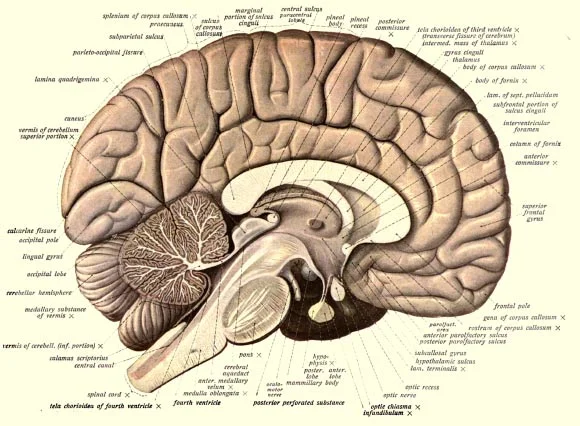
Visualization
The evolutionary journey that separates humans from their closest relatives in the animal kingdom, particularly chimpanzees, transcends a mere resemblance in DNA. While our genomic composition appears strikingly similar—over 96% of protein-coding DNA being conserved—the divergence in the complexity and size of the human brain compared to that of chimpanzees is profound, suggesting deeper biological narratives at play. Recent research from Lund University proposes an intriguing chapter in this narrative: the influence of an ancient viral invasion.
The study, spearheaded by Professor Johan Jakobsson and a team of researchers, posits that the endogenous retrovirus PTERV1, which infiltrated the germ line of African ape ancestors approximately 5 to 7 million years ago, might have significantly impacted evolutionary trajectories, precipitating the intellectual and neurological advancements that characterize Homo sapiens. This virus has left traces in the form of genetic insertions; notably, the chimpanzee genome is peppered with around 150 instances of PTERV1, while its human counterpart holds none. The absence of these viral remnants in humans raises essential questions about their role in shaping neural development and cognitive abilities.
In analyzing the repercussions of PTERV1 insertions, the researchers worked to unravel gene expression discrepancies between chimpanzees and humans. A key player emerged from their investigation: the long noncoding RNA gene LINC00662, which displayed a remarkable heterogeneity in expression levels between the two species. The research highlighted that during early stages of brain development, LINC00662 elicited a heightened expression in human neural organoids, which were derived from stem cells, contrasting sharply with its inactivity in the corresponding chimpanzee organoids. The molecular signature accompanying PTERV1 in chimpanzees is marked by significant methylation—a chemical modification that correlates with gene silencing—indicative of the gene’s repression in these organisms.
Utilizing advanced long-read DNA sequencing technologies, the study made pivotal revelations. The approximately 7,000-letter insertion of the PTERV1 sequence within LINC00662 was proven to be highly methylated in chimpanzee tissues, stifling its activity, while in humans, the same gene flourished during crucial developmental phases of the brain. This variant appears uniquely tethered to chimpanzees and bonobos, absent from other examined primate genomes, suggesting a lineage-specific evolutionary event.
Further experiments revealed the consequences of silencing LINC00662 in human organoids, with results indicating diminished neuronal development within 30 days of cultivation. Specifically, tissue analysis demonstrated weakened expression of early neuronal markers in regions designated for axonal growth, a response interpreted by the authors as a potential compensatory adaptation—suggestive of the interconnected regulatory networks governing neuronal maturation and growth.
The findings from this investigation, published in "Science Advances," elucidate a fascinating mechanism through which viral insertions may have contributed to the divergence of primate brain evolution. It underscores the importance of understanding not only the protein-coding genes that define our genomic blueprint but also the regulatory landscapes shaped by eons of evolutionary pressures, including retroviral influences. By bridging the gap between ancient virulence and modern cognition, this research invites a reconsideration of the evolutionary forces that have sculpted the intricate architecture of the human brain and underscores the ongoing significance of viral sequences as architects of genetic and phenotypic complexity.