Field: Technology
An anti-aging drug may help protect the brain before Alzheimer's symptoms begin
Published | Technical Staff
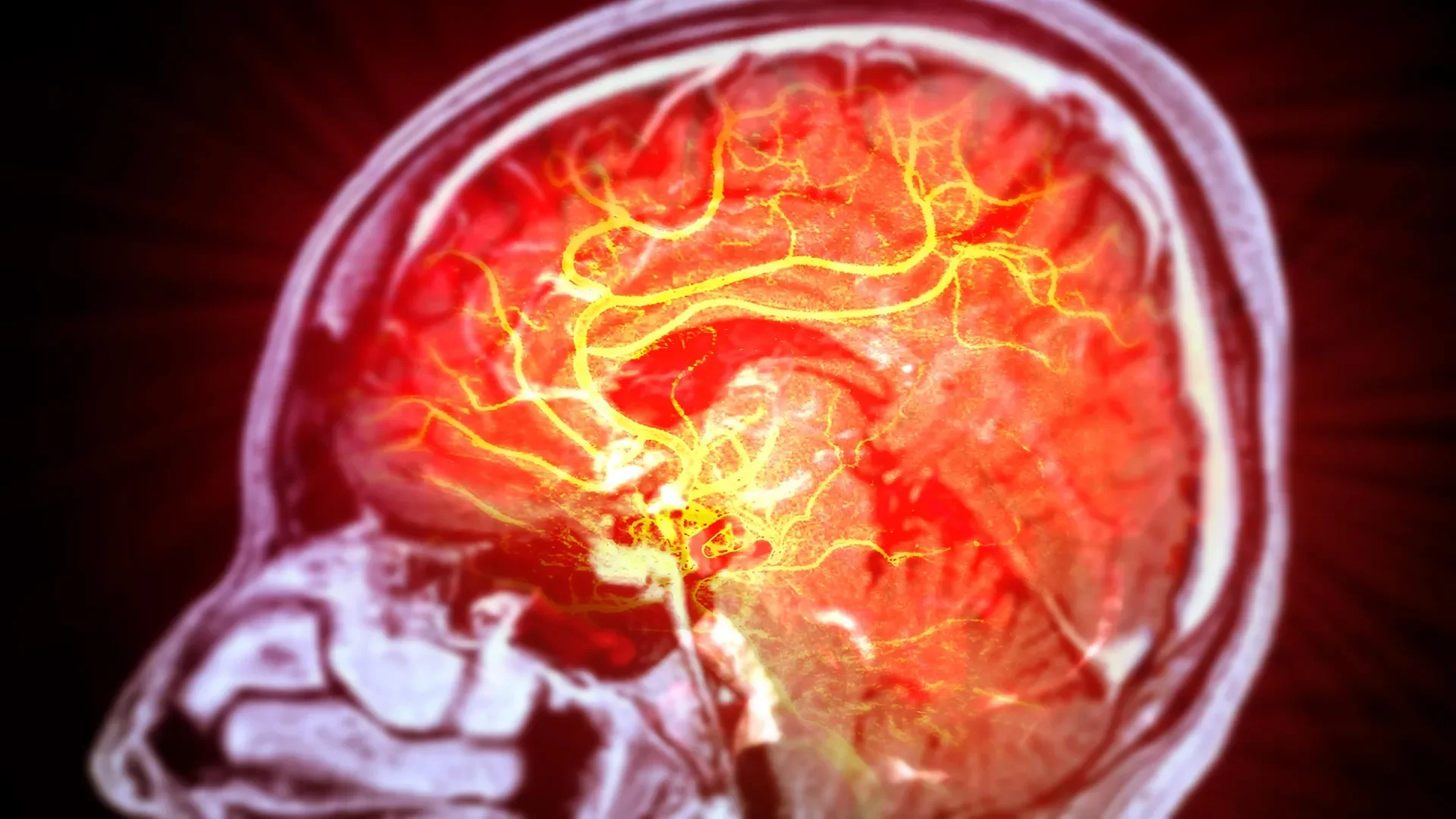
Visualization
In a promising intersection of pharmacology and neurobiology, researchers at the University of Missouri have unveiled remarkable findings demonstrating the potential of low-dose rapamycin—a drug traditionally employed to prevent organ transplant rejection—as a protective agent against the neurological ravages of Alzheimer's disease in individuals genetically predisposed to the condition. Specifically, their latest pursuits highlight an unexpected avenue for intervention occurring well before cognitive decline materializes.
The study—conducted under the expert guidance of Ai-Ling Lin, a professor in the School of Medicine at the University of Missouri—evaluated the impacts of rapamycin on cerebral blood flow among middle-aged adults aged between 45 to 65, with a focus on those carrying the APOE4 gene variant, a genetic marker robustly correlated with enhanced Alzheimer's risk. Previous investigations led by Lin indicated that rapamycin possessed the ability to improve neurovascular health in murine models exhibiting similar genetic predispositions, thereby laying the groundwork for human trials that could redefine therapeutic strategies in Alzheimer’s prevention.
Over a span of four weeks, participants were administered a low daily dose of rapamycin, and the resultant effects on cerebral perfusion were evaluated using advanced imaging modalities. The findings indicated a statistically significant increase in brain blood flow among APOE4 carriers, while those without the variant demonstrated no observable changes. These early results underscore the contention that addressing hemodynamic deficiencies could herald new methods for combatting the onset of neurodegenerative disorders, as reductions in cerebral blood circulation may serve as prodromal indicators of Alzheimer's disease, long before overt symptoms arise.
The relevance of improved cerebral blood flow becomes even more salient when contextualized within the broader neurovascular hypothesis of Alzheimer’s pathology. Evidence suggests that reduced perfusion can catalyze neuroinflammation and exacerbate amyloid β-peptide accumulation, thus creating a cascade of events favorable to neurodegeneration. Lin's research is particularly prescient, as the age-related decline in vascular health can be a precursor to Alzheimer's in susceptible individuals.
Remarkably, the gender disparity noted in the study pointed to a pronounced benefit in female participants with the APOE4 allele, who exhibited the most significant enhancement in cerebral circulation. This finding is particularly striking given the disproportionate prevalence of Alzheimer's among women, who constitute nearly two-thirds of the affected population. In the spirit of precision medicine, such insights could lead to tailored therapeutic regimens that prioritize individuals most likely to derive benefit from interventions like rapamycin.
The implications of these findings extend beyond mere academic interest. The collaborative framework at the Roy Blunt NextGen Precision Health Building fosters interdisciplinary dialogue, expediting the translation of laboratory discoveries into clinical practice. The deployment of rapamycin as a neuroprotective agent may very well pivot the current paradigm surrounding Alzheimer's management, transitioning the focus from reactive treatment strategies post-symptom emergence to proactive prevention strategies aimed at individuals at heightened genetic risk.
As the study progresses with the potential to accrue longitudinal data delineating the ramifications of increased blood flow on cognitive longevity, researchers remain cautiously optimistic. The enhancement of cerebral perfusion is yet to be evaluated against markers of cognitive forecasting, leaving the future inquiry open to explore whether this improvement yields durable neuroprotective effects that can stave off Alzheimer's development or mitigate its onset among those who stand to benefit the most. The initial pilot findings, articulated in the Journal of Cerebral Blood Flow & Metabolism, pave the way for future clinical trials that will explore the efficacies and mechanisms through which rapamycin may forestall this devastating disease in high-risk populations. As the scientific community continues to grapple with this complex nexus of genetics, neurology, and pharmacology, one thing remains evident: the quest to unlock new pathways in Alzheimer’s prevention holds tremendous promise.