Field: Technology
Alzheimer’s may start shrinking two brain regions years before memory loss
Published | Technical Staff
Visualization
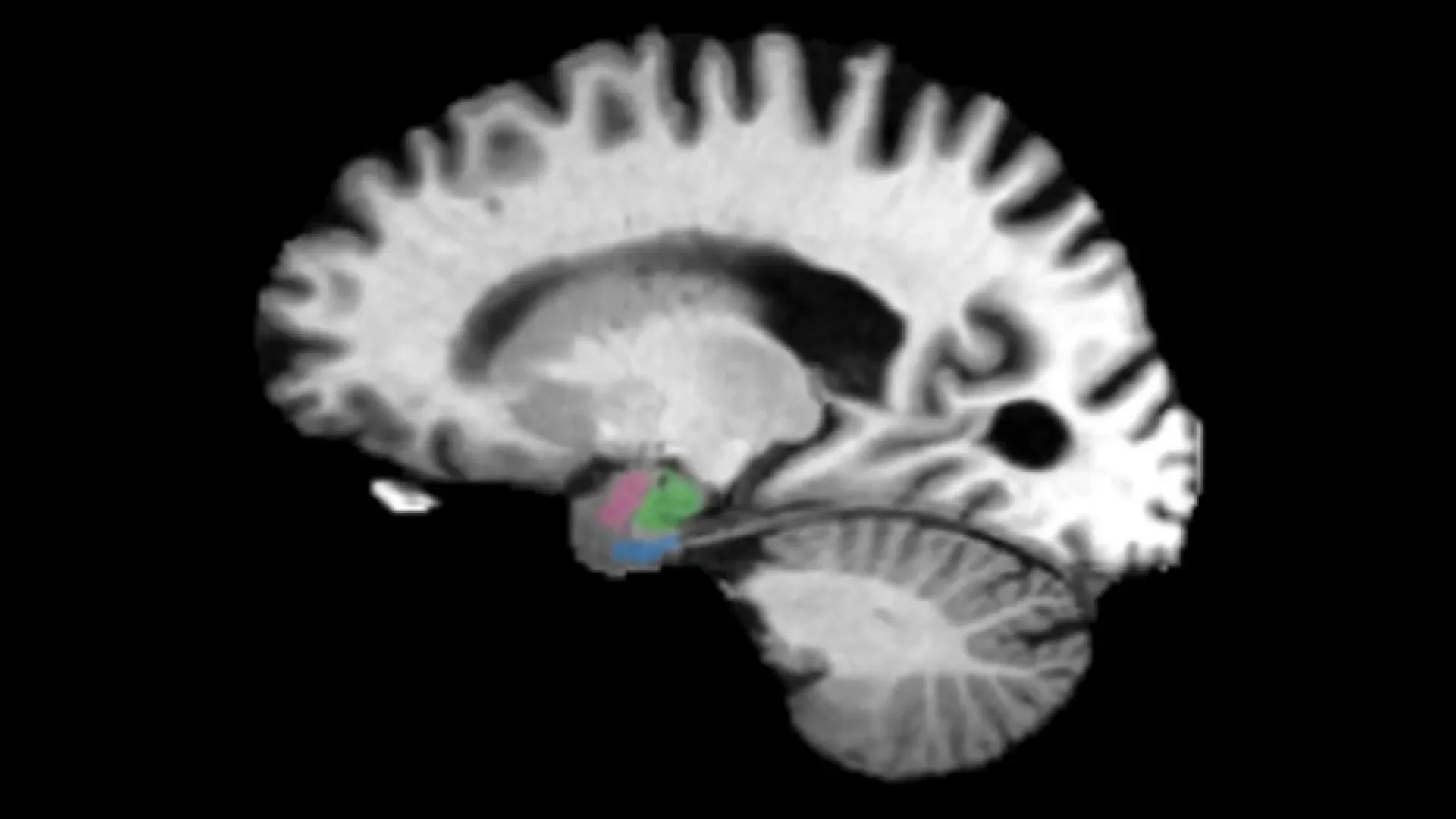
In an era marked by an escalating prevalence of neurodegenerative disorders, scientists at Johns Hopkins University are unveiling compelling evidence that Alzheimer’s disease may begin to insidiously undermine the brain's architecture as much as a decade prior to the presentation of overt memory failures. The focus of their research reveals a significant morphological decline in two specific regions of the brain—the entorhinal cortex and the amygdala—before the hippocampus, traditionally regarded as the hallmark area of study in Alzheimer’s evaluations, begins to exhibit atrophy.
Utilizing a comprehensive cohort of cerebral imaging datasets from two pivotal studies—the Alzheimer's Disease Neuroimaging Initiative and the Biomarkers of Cognitive Decline Among Normal Individuals—the researchers meticulously analyzed hundreds of magnetic resonance imaging (MRI) and positron emission tomography (PET) scans to trace the temporal dynamics of brain tissue degradation. Their findings articulate an underlying narrative of Alzheimer’s disease that diverges from conventional understanding—one where neuroanatomical deficits in emotional processing and memory organization manifest prior to typical clinical symptoms.
The entorhinal cortex, an area integral to memory retrieval, and the amygdala, which processes emotional memories, displayed a greater relative loss of tissue than the hippocampus early in the pathological progression of the disorder. "These early changes in the brain manifest clinical biomarkers of atrophy across a substantial temporal window of five to ten years before conventional memory symptoms present," states Michael Miller, the biomedical engineer leading the research. This revelation posits that early identification through imaging may pave the way for transformative preventative strategies aimed at staving off cognitive decline.
The interplay between tau proteins—intracellular aggregations that become pathologically dysregulated in Alzheimer’s—and the observed brain atrophy offers an intriguing lens through which to scrutinize the disease's etiology. In normal physiological contexts, tau promotes structural stability within neurites; however, aberrant phosphorylation and subsequent tau tangles within neuronal cells disrupt synaptic transmission and cellular integrity. The researchers noted a correlation between regions experiencing gray matter loss and heightened tau deposition, utilizing state-of-the-art digital pathology in conjunction with PET imaging methodologies to affirm their hypotheses.
As the entorhinal cortex and amygdala shrink, a cascading effect on the cortical layers can result in a profound shift in cognitive function, underscoring the significance of these regions as potential early biomarkers for Alzheimer’s. The nexus of tau accumulation and its associations with neuroanatomical changes calls for a strategic pivot in clinical diagnostics—where focus shifts from the hippocampus alone to include these other critical regions—to enhance the predictability of cognitive decline.
The implications of such findings extend beyond the scope of pure academic discourse; they engender hope for interventions that could alter the disease trajectory. “There exists a notable 5 to 10-year window where neurodegenerative processes could be addressed with interventions if identified early enough,” Miller elucidates, envisioning a recalibrated paradigm that facilitates early pharmacological or behavioral therapies.
Furthermore, as health technologies evolve, the accessibility of such imaging modalities increases, thereby creating opportunities for broader screening of individuals, particularly those with familial predispositions or other risk factors. The prospect of initiating monitoring in individuals as early as their 30s or 40s could revolutionize care paradigms in gerontology and neurology.
While the current study does not constitute a direct roadmap to clinical applicability, it lays foundational groundwork for future exploration into the intricacies of tau pathology as it correlates to structural degradation in the brain. This ambition encompasses a deep dive into the relationships among neurodegeneration, tau accumulation, and the accompanying molecular landscape—which could uncover novel therapeutic targets for intervention.
As the confluence of biomarkers and treatment modalities matures, the potential to discern individuals at high risk for cognitive decline is not just an academic pursuit; it signifies a genuine stride toward preserving mental acuity long before memory lapses manifest. With continued research, the prospects for earlier detection, intervention, and ultimately, the mitigation of Alzheimer’s disease hold great promise, igniting a call to action for a broader commitment to understanding the brain’s covert battles against degeneration.