Field: Technology
AI Detects “Invisible” Signs of Pancreatic Cancer Years Before Diagnosis
Published | Technical Staff
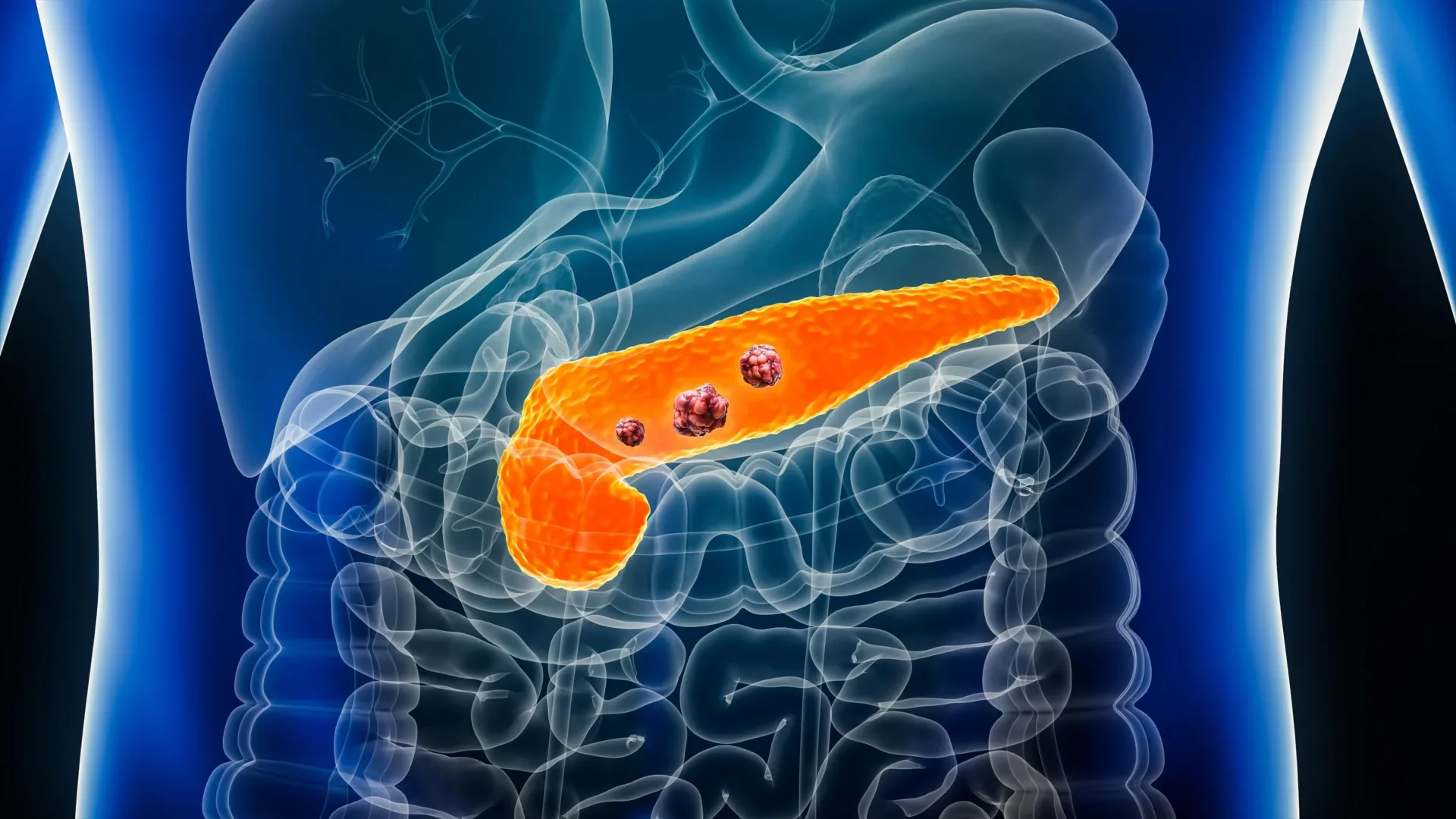
Visualization
In a groundbreaking advancement in oncological diagnostics, a sophisticated artificial intelligence model, dubbed REDMOD, has emerged as a formidable tool for early detection of pancreatic ductal adenocarcinoma (PDAC), the most prevalent and lethal form of pancreatic cancer. Traditional diagnostic approaches often fall short, primarily due to the insidious nature of this malignancy, which frequently goes unnoticed until it has progressed to a more terminal stage. However, REDMOD has demonstrated an impressive capability: it can uncover subtle, often invisible, precursors to disease an astonishing average of 475 days prior to formal diagnosis.
The context surrounding pancreatic cancer is dire. This disease is notorious for its late-stage detection rates, contributing to a dismal prognosis that sees less than 10% of patients surviving five years past diagnosis. Early diagnosis is pivotal, as it drastically increases the likelihood of effective treatment. Conventional imaging modalities, including computed tomography (CT) scans, typically fall short in capturing early tumoral changes, primarily due to the indistinct clinical manifestations that characterize early-stage PDAC. By focusing on the radiomic features of pancreatic tissues, REDMOD leverages a novel framework that analyzes minutiae within tissue texture that elude conventional assessment.
REDMOD’s architecture employs principles grounded in radiomics, a field that extracts quantitative data from medical imaging, enabling the identification of patterns that are otherwise imperceptible. One of the key innovations in this system is its automated contouring capability, which delineates the pancreas from adjacent organs. This automation mitigates variability associated with manual tracing—an element that is often subject to human error. By systematically analyzing the pixels within CT images, REDMOD discerns the subtle variances in texture, density, and morphological features characteristic of incipient PDAC.
In a comprehensive study, the researchers scrutinized abdominal CT scans from 219 patients—each corresponding to a case that had later been confirmed as pancreatic cancer. Notably, every participant's scan at the time showed no visible signs of malignancy as detected by experienced radiologists. These patients were stratified according to the temporal proximity of their scans to their ultimate diagnosis, allowing researchers to ascertain REDMOD's performance across varying lead times, specifically categorizing scans which predated diagnosis by 3 to 12 months, 12 to 24 months, and beyond 24 months.
While analyzing these cases, REDMOD achieved a sensitivity of 73%, dwarfing the 39% sensitivity displayed by expert radiologists. This marked disparity underscores the power of advanced machine learning algorithms in identifying early cancerous signals—particularly evident when assessing scans taken more than two years prior, wherein REDMOD identified 68% of cases compared to a mere 23% for its human counterparts. Statistically, this performance leap illuminates the potential of integrating AI within diagnostic frameworks where every single day prior to symptom presentation holds paramount significance.
The implications of REDMOD are considerable. Modelling studies have demonstrated that enhancing the detection rates of localized pancreatic cancers from a mere 10% to a more significant 50% can more than double patient survival rates. This reinforces the emergent notion that rudimentary improvements in the timing of diagnosis represent a vital determinant of clinical outcomes in pancreatic malignancies.
Further testing on an expanded dataset comprising 539 patients, of whom none were diagnosed with pancreatic cancer within three years following their scans, indicated that REDMOD maintained an impressive 81% accuracy rate in categorizing scans as non-cancerous. Moreover, it demonstrated an even more remarkable performance on an external publicly available dataset from the National Institutes of Health, achieving a distinction of 87.5% in correctly identifying scans as free of malignancy. The algorithm’s consistency proved equally compelling, with a 90-92% reliability rate in retesting scans from the same patients over several months, thus suggesting that REDMOD's detection capacity is not only robust but also reproducible.
Despite the promising landscape painted by REDMOD’s capabilities, the path to integration into clinical settings remains fraught with challenges. One critical limitation of the initial research population was the lack of ethnic diversity, which necessitates further investigations across varied demographic groups to fully establish the generalizability of these findings. Prospective studies targeting high-risk individuals—particularly those exhibiting nonspecific symptoms such as unexplained weight loss or new-onset diabetes—will be essential to ascertain clinical viability.
In summary, REDMOD exhibits the potential to revolutionize early detection protocols for pancreatic cancer, offering the tantalizing prospect of identifying the disease at a stage where intervention could markedly improve outcomes. The research encapsulates a cautiously optimistic view that AI technology could shift the paradigm of pancreatic ductal adenocarcinoma diagnosis from reactive to proactive, setting the stage for a future where lives can be saved through early intervention. As elucidated by the researchers, "the REDMOD framework represents a significant advance towards shifting the paradigm for sporadic PDAC from a late-stage symptomatic diagnosis to proactive pre-clinical interception, offering tangible hope for improving outcomes in this challenging disease." This proclamation heralds a new era of oncology where the fight against one of the deadliest cancers may soon be fortified by the powers of artificial intelligence.