Field: Technology
Acupuncture Thread Technique Yields Modest Weight Loss in Chinese Study
Published | Technical Staff
Visualization
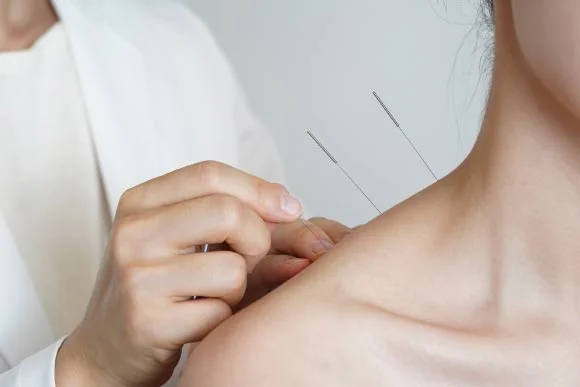
In the realm of weight management, the intersection of traditional practices with modern medical scrutiny garners significant interest, especially as populations worldwide confront escalating rates of obesity. The recent randomized controlled trial by Dr. Shifen Xu and her team from the Shanghai University of Traditional Chinese Medicine offers compelling evidence for one such intervention: acupoint thread embedding. This innovative approach entails the strategic placement of absorbable threads at acupuncture points beneath the skin, diverging from conventional needle-based acupuncture methods by promoting sustained stimulation of acupoints.
The methodology of this clinical trial involved the enrollment of 132 women aged 18 to 45, all of whom presented with a body mass index (BMI) of 24 or higher—a category classified as overweight or obese by World Health Organization standards. The participants were randomized into two groups: one receiving the acupoint thread embedding treatment and the other undergoing a sham procedure. The sham treatment involved superficial needle insertions at the designated acupoints without the insertion of threads or subsequent prolongation of the stimulus, ensuring that participants and assessors remained blinded to each treatment condition.
Over the course of 12 weeks, the results highlighted a notable trend: those subjected to the acupoint thread embedding treatment experienced a weight reduction of approximately 1.8 kg—nearly 4 pounds—more than their counterparts in the sham group. This difference expanded to an average of 3 kg (roughly 6.6 pounds) by the end of the 24-week follow-up period. Notably, a significant 25.8% of the treatment group realized a weight loss of at least 5% of their initial body weight, contrasting sharply with just 9.1% in the sham cohort.
Beyond weight loss, acupoint thread embedding was associated with noteworthy reductions in waist and hip circumference, body fat percentages, and appetite score metrics. However, the enhancements in these parameters did not translate to meaningful improvements in cardiometabolic biomarkers, including glucose and lipid profiles, nor did they impact patient-reported outcomes. The absence of serious adverse effects— with side effects being mild and similar across both cohorts—underscores the relative safety of this technique.
The implications of these findings extend beyond mere weight loss, suggesting that acupoint thread embedding may serve as a viable adjunctive therapy for women of reproductive age battling overweight and obesity. With the gradual dissolution of the absorbable thread over several weeks, continuous stimulation of the selected acupoints potentially elicits enduring physiological changes, bridging ancient practices with contemporary health objectives.
Published in the Annals of Internal Medicine, Dr. Xu's study encapsulates a pivotal step in understanding the efficacy of integrative approaches to obesity management. The research not only enriches the discourse surrounding traditional Chinese medicine but also lays the groundwork for ongoing investigation into the mechanisms underlying thread embedding techniques and their broader applications in weight-loss strategies globally. The findings encourage a reevaluation of how ancient methodologies can interface with modern health paradigms, emphasizing the necessity for continuous exploration in the quest for effective obesity treatments.