Field: Technology
A surprisingly simple exercise could significantly lower blood pressure
Published | Technical Staff
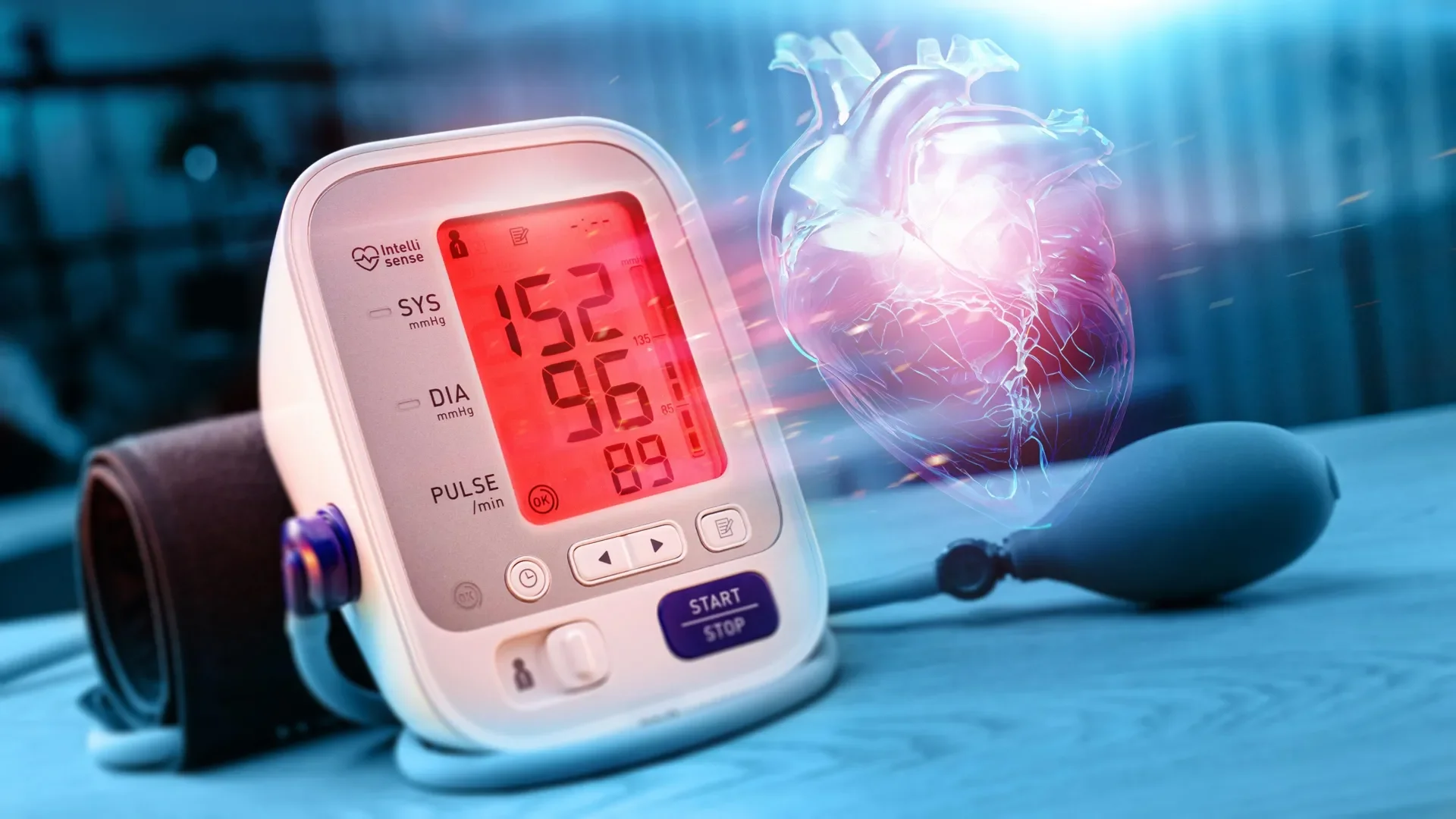
Visualization
In a revealing study published in BMJ Open Sport & Exercise Medicine, researchers have illuminated the profound impact of a surprisingly simple exercise regimen—specifically, wall squats—on blood pressure management without the need for daily workouts or costly gym memberships. This investigation enrolled 100 adults, averaging 37.4 years in age, whose systolic blood pressure measurements ranged between 120 and 140 mmHg, categorically placing them in the high-normal range yet free from hypertension diagnoses. The implications of this work may redefine how we approach physical activity and cardiovascular health, offering an accessible solution for those struggling with time constraints or motivation in adhering to more rigorous exercise programs.
Isometric exercises, exemplified by wall squats, involve contracting muscles while maintaining a static position for several seconds, thereby synergizing strength and endurance without dynamic movement. Previous studies have established that such isometric training could achieve blood pressure reductions comparable or even superior to those associated with specific pharmaceutical interventions, yet the requisite frequency of exercise to sustain these cardiovascular benefits remained poorly understood. In scrutinizing this parameter, the researchers devised a protocol wherein participants engaged in isometric movements specifically targeting the lower body.
The structured program initiated with a four-week duration of thrice-weekly sessions, wherein each participant executed four squat holds, with a two-minute seated recovery between holds. Following this intensive phase, participants transitioned into one of four maintenance schedules for an additional four-week period: maintaining three sessions per week, reducing to two, or performing wall squats only once weekly. One cohort entirely ceased any exercise, acting as a control for comparative metrics. Comprehensive assessments of blood pressure, heart rate, and broader cardiovascular markers commenced at baseline and culminated after both the four and eight-week milestones.
The data revealed that all active groups exhibited pronounced improvements in systolic blood pressure, a measurement indicative of the force exerted when the heart contracts, in addition to reductions in diastolic blood pressure, the corresponding figure for relaxation phases. Mean arterial pressure—a crucial indicator of overall blood perfusion—also demonstrated substantive decrease across these cohorts when contrasted against the control.
The most notable findings emerged during the subsequent maintenance phase, where participants engaged once or twice per week managed to sustain significant decreases in systolic blood pressure and mean arterial pressure, despite no longer maintaining consistent exercises. The group adhering to three sessions weekly manifested the most pronounced benefit; their systolic blood pressure declined by an impressive 13.73 mmHg by study's conclusion. In stark contrast, the participants exercising only once a week reported a modest 6.56 mmHg reduction, underscoring the potential value of maintained frequency in preserving these health advantages.
In a sobering revelation, those who halted wall squats after the initial training period experienced a resurgence of blood pressure elevations, reverting to levels indistinguishable from the control group, emphasizing the necessity for regular isometric engagement to uphold cardiovascular improvements. The researchers posited that the robust short-term benefits observed could significantly impact individuals facing barriers in maintaining rigorous exercise regimens.
These findings lend credence to the argument that lower frequency isometric exercise training can be a pragmatic approach to managing blood pressure, particularly for cohorts beset by time constraints. Moreover, this exploration underscores the importance of sustained exercise for vascular and cardiac adaptations—providing a foundation for further investigation into the long-term viability of such routines in chronic blood pressure management.
Ultimately, as the healthcare community seeks practical interventions for blood pressure regulation, this study elucidates a profound yet straightforward avenue that could empower individuals to enhance their cardiovascular health with minimal time investment. It reflects a paradigm shift toward recognizing the efficacy of simple, consistent exercises in combating one of the most pervasive health issues facing populations globally.