Field: Technology
A simple liquid can stop cavities without drilling, major study confirms
Published | Technical Staff
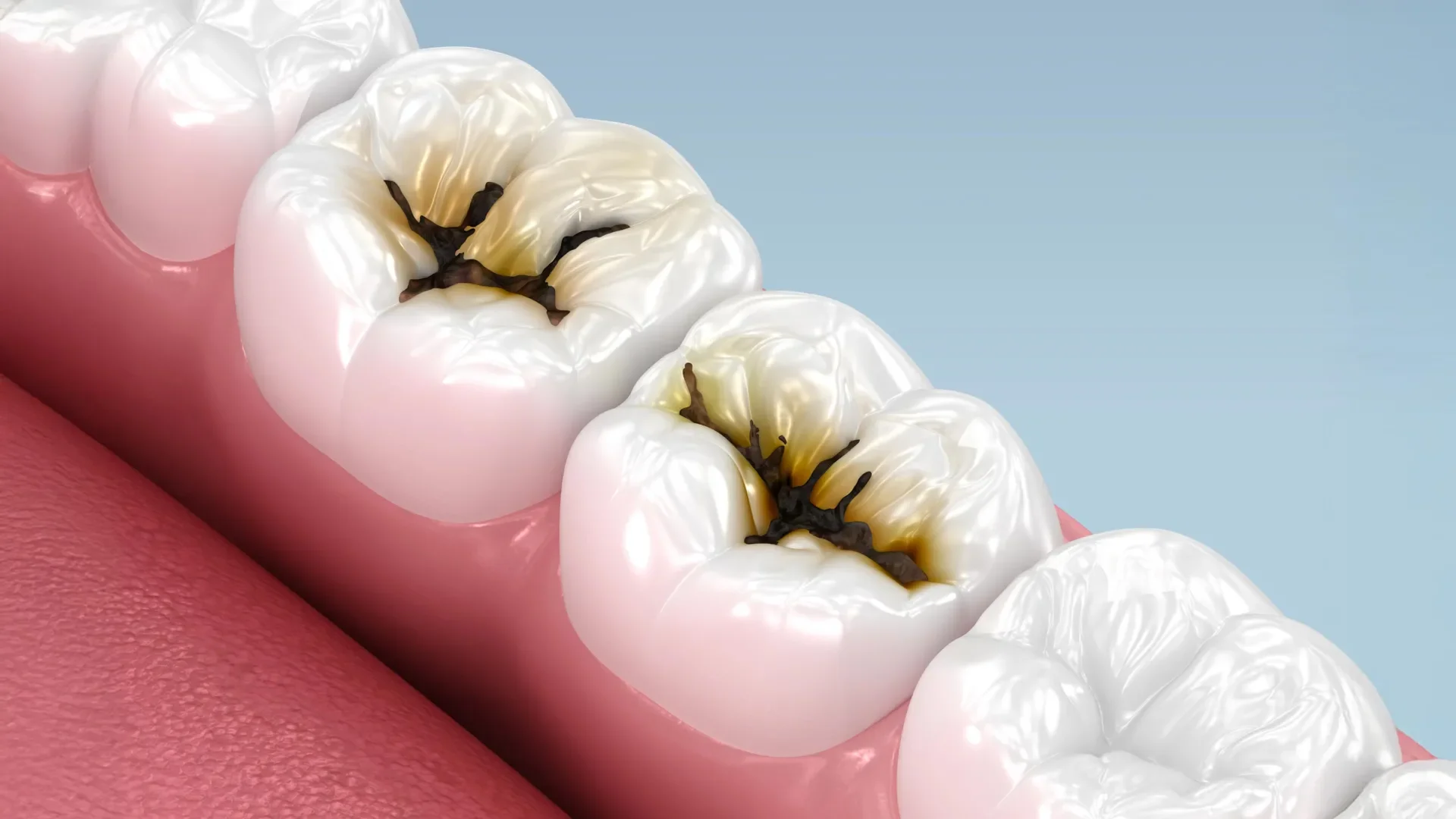
Visualization
In an era marked by a growing need for pain-free, efficient dental care, a groundbreaking study from the University of Michigan opens new avenues in the realm of pediatric dentistry. Conducted among a cohort of young children, this extensive clinical trial unveils an innovative non-invasive treatment—silver diamine fluoride (SDF)—which offers a paradigm shift in addressing tooth decay without the dreaded drill or anesthetic.
Cavities, or dental caries, are not merely vexing inconveniences, but, according to recent statistics, afflict over 40% of American children. Untreated, these caries can cause intense pain and subsequent complications, necessitating surgical interventions, often under general anesthesia. The implications of untreated dental decay manifest not just in oral discomfort but also extend to educational and social disruptions, resulting in missed school days and repeated medical visits.
In this pivotal Phase III clinical trial, published in JAMA Pediatrics, the research involved a meticulously selected cohort of 830 children under the age of six, recruited from a comprehensive network of dental clinics, pediatric practices, and federally funded early childhood programs across Michigan, New York, and Iowa. The results yielded compelling evidence that a formulation containing 38% SDF effectively halts decay in over 50% of affected primary teeth. This treatment defines the concept of 'arresting tooth decay,' a process whereby the progression of damage is halted without the need to physically restore the tooth structure.
SDF operates through a synergistic biochemistry; silver ions exhibit powerful antimicrobial properties, combating bacteria like Streptococcus mutans—central to the decay process—while fluoride aids in remineralizing and fortifying the tooth's enamel, thereby resisting future degradation. The simplicity of application further accentuates its appeal; utilizing a sponge-tipped applicator, practitioners can seamlessly coat the affected teeth in mere seconds. As lead investigator and esteemed professor of dentistry Margherita Fontana articulates, “This is a very effective and safe treatment—even in children as young as 1.”
The clinical implications of SDF reach far beyond just young patients. The application shows potential for elderly populations, patients with developmental disorders, those grappling with dental anxiety, and individuals facing barriers to accessing conventional dental care. By offering a rapid treatment modality devoid of the complexities and discomforts typically associated with dental procedures, SDF promises to enhance the overall quality of care across diverse patient demographics.
Despite its advantages, SDF does carry a caveat; the treatment results in a permanent darkening of the decayed area, a cosmetic concern that could deter acceptance among patients and their guardians. However, the tradeoff between enduring pain and invasive treatment versus a non-invasive yet aesthetically challenging solution may ultimately sway decisions, especially in vulnerable populations.
The utilization of SDF is not a novel concept, having been employed successfully in various countries for decades. In the United States, the FDA sanctioned SDF’s use as a medical device for treating dentin hypersensitivity in 2014; however, its application for arresting cavities has primarily remained off-label—an area sorely in need of robust clinical validation. This research aims at establishing precisely that, addressing a critical gap in the evidence required for FDA approval for cavity treatment.
The ongoing trial serves as a catalyst for broader acceptance and utilization of SDF within dental practice, especially in pediatric care settings where young patients frequently interact with medical practitioners prior to seeing a dentist. The researchers posited that if clinicians are provided with solid, high-quality clinical evidence, adopting SDF as a standard practice could allow for timely interventions—preventing minor cavities from escalating into severe dental emergencies requiring extensive and painful treatments.
The cross-institutional collaboration included experts from New York University, the University of Iowa, and Indiana University, bolstered by significant funding from the National Institute of Dental and Craniofacial Research, amounting to over $12 million. This financial support underscores a communal commitment to improving oral health outcomes and advancing public health initiatives.
In the wake of this compelling evidence, Amr Moursi, a pediatric dentistry professor at New York University and co-principal investigator of the study, emphasizes the profound implications of regulatory adjustments: “Our results support FDA approval of SDF for managing arrest of tooth decay in young children, which could significantly enhance provider utilization and insurance coverage, facilitating more consistent patient access to this transformational therapy.”
As this narrative unfolds, the prospect of SDF gaining FDA approval remains a beacon of hope for millions seeking relief from the burdens of tooth decay. The momentum generated by this trial heralds a future where children can receive early, non-invasive interventions for cavities, averting painful experiences and fostering healthier dental habits that might resonate well into adulthood. The integration of SDF into standard practice could indeed revolutionize pediatric dentistry, embodying a significant stride towards a more humane, effective approach to dental care.