Field: Technology
A simple daily fiber supplement reduced arthritis pain and improved strength
Published | Technical Staff
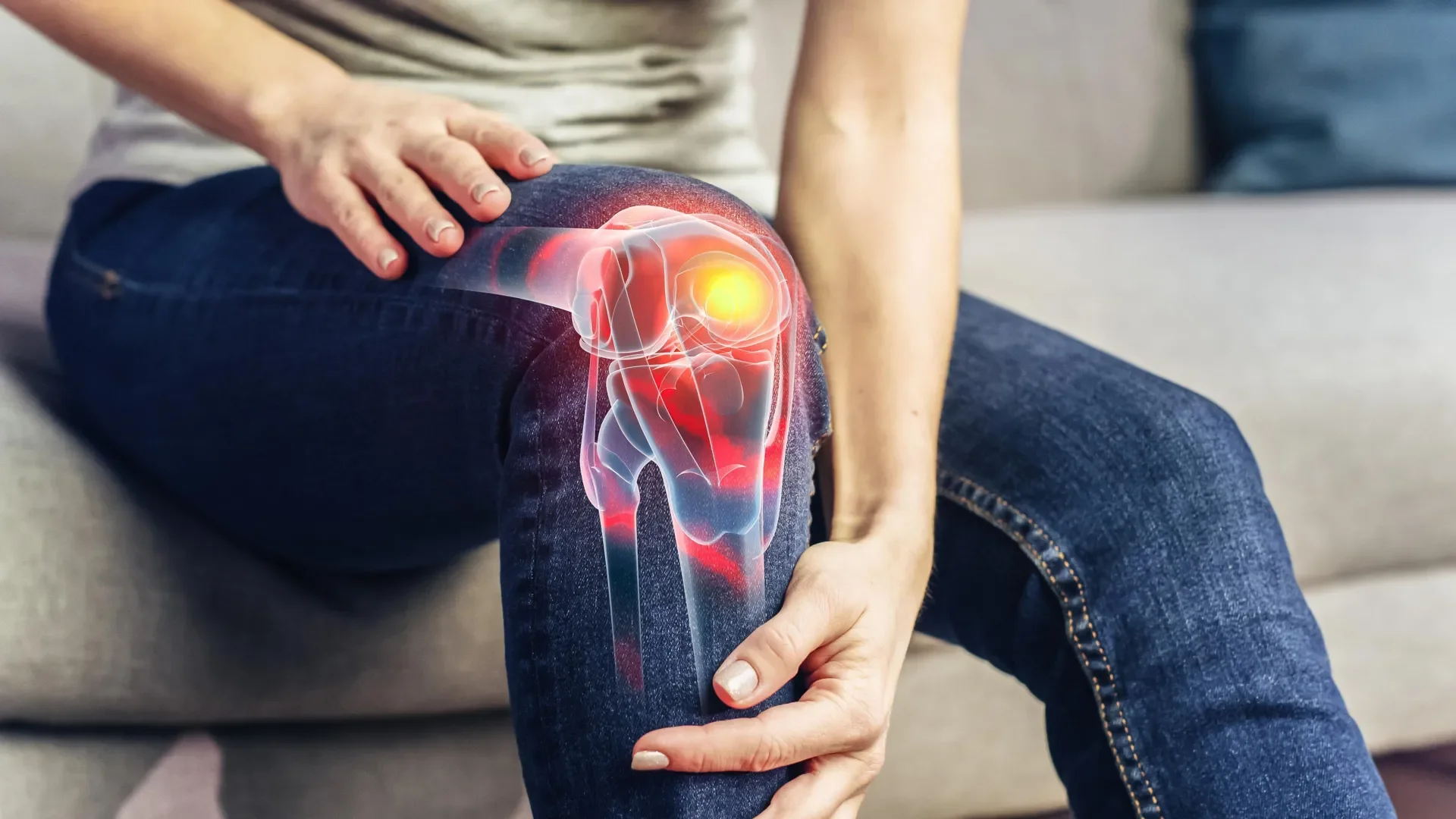
Visualization
In a remarkable convergence of dietary science and pain management, recent findings from the University of Nottingham reveal that a straightforward fiber supplement can dramatically mitigate knee osteoarthritis pain while also enhancing muscle strength. The pivotal clinical trial, published in the journal Nutrients, shed light on how incorporating prebiotic fiber, specifically inulin, can interact harmoniously with the body's microbiome to challenge the current therapeutic paradigms for osteoarthritis—a condition that afflicts hundreds of millions globally, primarily affecting the elderly.
Osteoarthritis (OA) progresses as the cartilage within the joint degrades, leading to chronic pain, stiffness, and diminished mobility. Traditional treatments emphasize pharmacological interventions and physical therapy, but these methods are often riddled with side effects or noncompliance challenges. The Nottingham study posits that modulating gut health through dietary fiber could present a viable adjunct or alternative to conventional strategies, offering patients a sustainable method for long-term pain relief.
Dr. Afroditi Kouraki, the study's lead author, described the findings as revolutionary: “This study raises the exciting possibility that a simple dietary change — adding a fiber supplement to your breakfast or yogurt — could meaningfully reduce pain and improve physical function.” By administering inulin, which is abundant in sources such as chicory root and Jerusalem artichokes, researchers tapped into the fiber's unique properties. Inulin is recognized as a prebiotic, meaning it survives the digestive enzymes of the small intestine, eventually fermenting in the large intestine to nourish beneficial gut bacteria.
The mechanics behind this process extend beyond mere digestion; the microbiome plays an integral role in modulating various aspects of health, including immune responses and pain perception. Inulin fermentation leads to the production of short-chain fatty acids (SCFAs), chiefly butyrate, which is crucial for supporting the intestinal lining and influencing broader biological pathways related to inflammation and pain modulation. In the trial, participants supplementing with inulin exhibited significantly elevated butyrate levels, suggesting an enhancement in gut microbiome activity contributing to pain alleviation.
Central to these findings is the noteworthy increase in glucagon-like peptide-1 (GLP-1) among inulin users. This gut-derived hormone, well-known for regulating glucose metabolism and appetite, has garnered attention for its potential impact on pain management and muscle health. Despite not being a GLP-1 medication, the inulin supplement appears catalyzing the body’s own production of this hormone. The researchers observed a correlation between heightened GLP-1 levels and improved grip strength, a crucial indicator of musculoskeletal health and a subtle reflection of overall strength.
The INSPIRE trial itself encapsulated 117 adults diagnosed with knee OA, who were randomized into four groups: solely inulin, virtual physical therapy exercises, a combination of both, or a placebo. Within a span of six weeks, both the fiber supplement and physical therapy independently yielded meaningful reductions in knee pain. Yet, inulin uniquely enhanced grip strength and diminished pain sensitivity—an important metric capturing how the nervous system registers painful stimuli. This reduction in sensitivity could prove particularly advantageous for those experiencing persistent pain that outstrips observable joint degradation.
Importantly, adherence to the interventions painted a starkly favorable picture for the fiber supplement. Only 3.6% of participants in the inulin group dropped out of the study, in stark contrast to the 21% dropout rate within the physical therapy cohort. This discrepancy not only highlights the logistical ease of supplementing with fiber but also underscores a paradigm shift that could lead to broader adoption among populations affected by chronic pain.
The implications of these results extend beyond merely managing knee pain; they suggest a potentially profound relationship connecting gut health, muscular function, and pain perception. Dr. Kouraki cautiously stated, “Our findings suggest that targeting gut health with a prebiotic supplement is a safe, well-tolerated, and effective way to reduce pain in people with knee osteoarthritis.” Senior author Professor Ana Valdes further emphasized the exciting correlation observed between GLP-1 levels and grip strength, suggesting that improving gut health could bolster physical performance, thus enhancing resilience in aging populations.
In a landscape often dominated by pharmacological solutions, these findings herald a shift towards dietary strategies aimed at gut microbiome health, ultimately enriching the discourse on how we conceptualize the intersection of nutrition, chronic pain, and physical function.