Field: Technology
A simple 15-minute treatment could help patients avoid carpal tunnel surgery
Published | Technical Staff
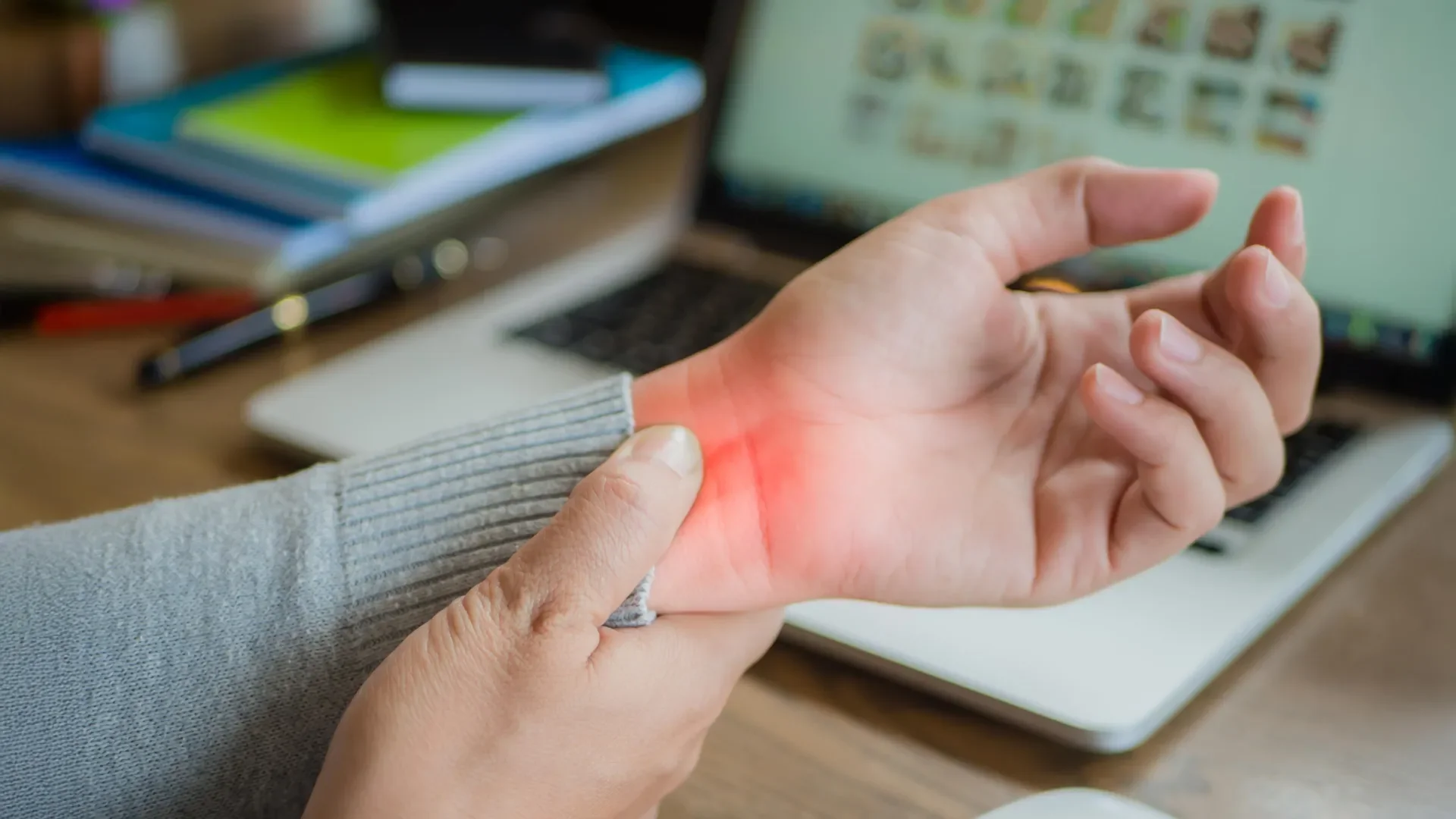
Visualization
In an era increasingly characterized by the pursuit of minimally invasive medical interventions, a breakthrough study has emerged, positioning a 15-minute procedure as a viable alternative to surgery for those afflicted by carpal tunnel syndrome (CTS). As reported by the Radiological Society of North America, the efficacy of ultrasound-guided hydrodissection presents a significant departure from traditional corticosteroid-based therapies, which often yield only transient relief from a condition that affects an estimated 5% to 10% of the adult population over a lifetime.
Carpal tunnel syndrome arises when the median nerve, coursing from the forearm into the hand, finds itself ensnared within the constricted confines of the carpal tunnel at the wrist. This compression can lead to debilitating symptoms, including pain, tingling sensations, and motor weakness, all of which can severely impact one's quality of life. Risk factors predominantly include repetitive wrist motions, making conditions like CTS prevalent in occupational contexts.
The common recourse for alleviating symptoms has historically centered around corticosteroid injections aimed at reducing inflammation and relieving nerve pressure. However, these interventions often fall short, requiring repeated applications due to the transient nature of symptom abatement. As elucidated by Anupama Tandon, M.D., a leading author on the study, repeated steroid treatments invite additional risks, including localized skin alterations and systemic complications.
In light of these concerns, the researchers turned to an innovative approach dubbed hydrodissection. This technique employs a sterile saline solution introduced under real-time ultrasound guidance, allowing for precise injection around the compressed nerve. The fluid serves to delicately detach the nerve from surrounding tissues that may be constricting its movement, thereby promoting unhindered nerve function and mitigating the associated symptoms of CTS. The goal is not merely to push back against inflammation but to enhance the freedom of nerve movement itself.
Dr. Tandon's investigation, in collaboration with Anindita Bose, M.D., was structured as a randomized, controlled trial involving 63 participants suffering from persistent symptoms despite prior conservative management. The cohort was divided into three groups, one of which received the hydrodissection treatment with saline alone, while the second combined this procedure with corticosteroids, and the third group received a traditional corticosteroid injection devoid of hydrodissection. Participants were subsequently monitored for changes in their clinical states and hand function via standardized pain assessments and ultrasound imaging at intervals of four, 12, and 24 weeks post-procedure.
The initial four-week follow-up revealed significant symptomatic relief across all treatment groups, but distinctions began to surface over time. Notably, those receiving ultrasound-guided hydrodissection enjoyed persistent improvements without the need for repeated interventions. Conversely, participants treated solely with corticosteroids reported a resurgence of symptoms during later evaluations, underscoring the fleeting nature of their initial relief. Statistically, the addition of corticosteroids to the hydrodissection protocol did not confer any measurable long-term benefit when compared with saline alone.
Ultrasound imaging data further attested to the supremacy of hydrodissection; a substantial reduction in the cross-sectional area of the median nerve—approximately 43% to 45%—was observed, while the corticosteroid-only group noted a mere 15% reduction. This marked variance indicates hydrodissection's superior capability in alleviating nerve swelling, an encouraging indicator that the procedure can address the root of the problem rather than merely masking symptoms.
In addition to its therapeutic efficacy, hydrodissection is notable for its practicality. The simplicity of the procedure, often completed in an outpatient setting without the requirement for anesthesia, facilitates a rapid return to daily activities—patients reported being able to resume work within an hour post-treatment. Moreover, the approach is cost-effective, adding to its appeal for a demographic that may otherwise face surgery or continuous medication cycles.
The implications of this research are particularly timely, as the prevalence of carpal tunnel syndrome is on an upward trajectory. As the study concludes, there exists a strong affirmative case for the adoption of ultrasound-guided saline hydrodissection as a front-line therapeutic option for mild to moderate cases of CTS. Although the promising results warrant further investigation, including larger trials to better ascertain the longevity of the treatment benefits, the initial findings indicate that this straightforward, minimally invasive technique could defer, or even eliminate the necessity for surgical intervention, heralding a new frontier in the management of carpal tunnel syndrome.