Field: Technology
A little-known protein could be a major culprit in type 2 diabetes
Published | Technical Staff
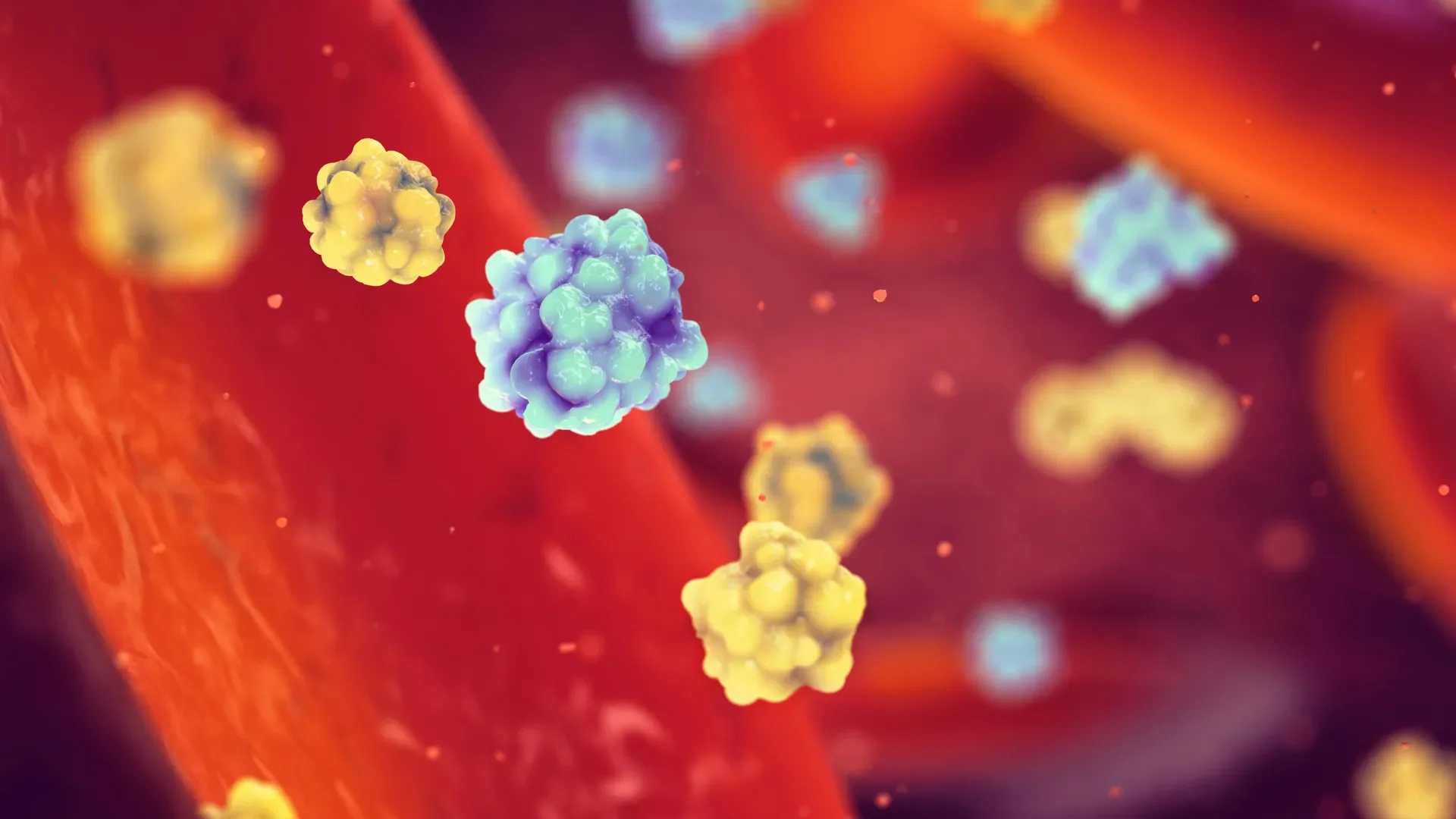
Visualization
In a groundbreaking study emerging from the Pennington Biomedical Research Center, researchers have illuminated the role of the mitochondrial protein Miro1 in the pathogenesis of type 2 diabetes, particularly its contribution to insulin resistance. The findings, published in Nature Communications, open up a promising avenue for future diabetes treatment strategies aimed at the modulation of Miro1 levels, a protein that, until now, had remained relatively obscure in diabetes research.
Type 2 diabetes is characterized by the body’s diminished ability to respond to the hormone insulin, leading to elevated blood glucose levels and a constellation of accompanying health issues. Central to understanding this pathology is the concept of insulin resistance, where the skeletal muscles fail to utilize glucose efficiently. The study demonstrates that an accumulation of Miro1 in skeletal muscle tissue is correlated with this impaired response to insulin. The significance of this discovery lies in the observation that when researchers actively reduced Miro1 levels, the muscles demonstrated a restored ability to respond to insulin, confirming the protein's role as a contributing factor to the insulin resistance seen in type 2 diabetes.
Miro1, or Mitochondrial Rho GTPase1, is located on the outer mitochondrial membrane, an organelle crucial for ATP production through oxidative phosphorylation. Prior studies have suggested that disruptions in mitochondrial function can underlie metabolic disorders, but the specific mechanisms had remained elusive. The research team employed a multi-faceted approach—analyzing Miro1 in a laboratory environment, preclinical animal models, and individuals diagnosed with type 2 diabetes. Through this integrative analysis, they quantified Miro1 levels and assessed how these correlated with both muscle function and insulin responsiveness.
Quantitative measurements revealed elevated levels of Miro1 in skeletal muscles of individuals with type 2 diabetes. A striking finding was the reversal of insulin resistance in preclinical models following the removal of Miro1. This causal relationship was compelling and raises the possibility that Miro1 accumulation could be a primary disturbance in the metabolic pathways regulating insulin action.
To further dissect the relationship between physical activity and Miro1, the research team conducted a randomized controlled trial involving participants with obesity and type 2 diabetes. The trial juxtaposed the effects of a structured aerobic exercise regimen against standard medical care. Measurements taken during the trials indicated that participants engaged in aerobic exercise exhibited a marked reduction in Miro1 levels alongside enhancements in insulin sensitivity. This correlation suggests that exercise may mitigate insulin resistance not solely through caloric expenditure or weight loss but by directly influencing mitochondrial dynamics, specifically decreasing Miro1 within muscle tissues.
Dr. John P. Kirwan, the study's senior author and newly appointed executive director of the Harold Hamm Diabetes Center at the University of Oklahoma, summarizes the implications succinctly: "Insulin resistance in muscle is at the heart of Type 2 diabetes, and Miro1 is a key part of the answer." His commitment to translating these laboratory discoveries into actionable therapeutic approaches is evident in his continued investigation into Miro1 as a target for new diabetes therapies.
The findings not only shed light on a previously underappreciated molecular player in diabetes but also underscore the potential of exercise as a non-pharmacological intervention that can initiate biochemical changes beneficial to insulin responsiveness. As the research progresses, future studies will need to rigorously evaluate whether pharmacological interventions targeting Miro1 can safely and effectively enhance insulin sensitivity in clinical populations.
This innovative research, supported by multiple institutes including the National Institute of Diabetes and Digestive and Kidney Diseases, may soon converge into actionable therapies, offering renewed hope in the quest for reliable treatment solutions for type 2 diabetes and its associated metabolic disorders. As the global prevalence of diabetes continues to escalate, understanding the molecular underpinnings that govern insulin action remains an urgent priority, and the exploration of Miro1 may represent a vital piece of the puzzle.