Field: Technology
A hidden biological divide may help explain Alzheimer’s and chronic pain
Published | Technical Staff
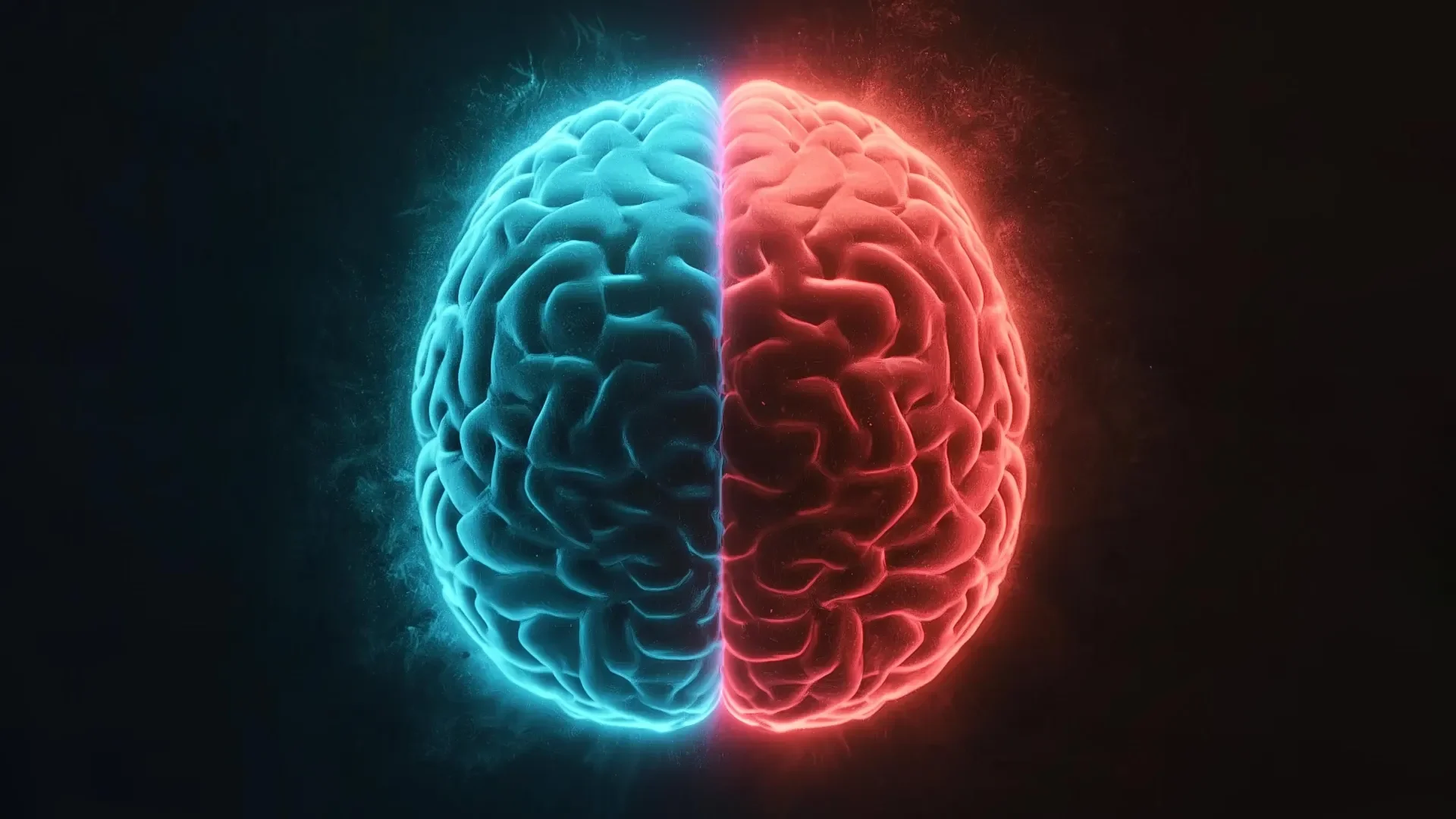
Visualization
Recent investigations add nuanced layers to our understanding of Alzheimer’s disease and chronic pain syndromes, particularly fibromyalgia, by uncovering the significant roles that biological sex, genetics, and menopausal transitions play in these complex neurological conditions. Announced at the 2026 Society for Neuroscience annual conference, these findings indicate that genetic predispositions can trigger distinct pathological processes and treatment responses that vary markedly between males and females.
Alzheimer's disease, a neurodegenerative disorder characterized by progressive cognitive decline and memory loss, currently impacts approximately 35 to 40 million individuals worldwide, according to the World Health Organization. The emerging paradigm suggests a compelling intersection between menopause, genetic risk factors, and the pathophysiology of Alzheimer’s. For instance, research led by Mateja Perović at the University of Toronto revealed that individuals harboring specific genetic risk alleles for Alzheimer's exhibited differential responses to menopausal hormone therapy. The efficacy and side effects of hormone formulations appeared to be significantly modulated by the individual's genetic profile, delineating a need for bespoke treatment strategies that account for genetic backgrounds.
Complementarily, Stephanie M. Perez's research at the University of Texas Health Science Center investigated rodent models resembling menopause. This study found pronounced vulnerabilities in established memory circuits during this transitional phase for genetically predisposed females, suggesting that menopause may exacerbate cognitive decline in women already at risk for Alzheimer’s. Such studies highlight the critical windows in female physiology that may catalyze the onset of neurodegenerative diseases and underscore the urgency of tailored interventions.
In parallel, contemporary findings on chronic pain have unveiled that biological sex not only influences pain sensitivity but also shapes immune system responses and inflammation cascades within the central nervous system. Yasmin Sahlloul’s work at the University of Cincinnati utilized murine models to illustrate that female subjects demonstrated a sustained hyperalgesic state and a pronounced activation of neuroimmune pathways compared to their male counterparts in the context of fibromyalgia. This disparity signals a compelling opportunity for gender-specific analgesic therapies that could circumvent the traditional one-size-fits-all pain management paradigm.
Further advancing this discourse is Nurcan Kilic’s investigation involving chronic intestinal inflammation and its neurological repercussions. Utilizing a mouse model, Kilic's research demonstrated that female subjects experience altered brain functionalities and higher susceptibility to Alzheimer’s-related pathophysiological changes under conditions of sustained gut inflammation. These findings implicate the gut-brain axis as a crucial determinant of neurological health, particularly under the influence of sex-specific biological factors.
In synthesizing these findings, it becomes evident that the traditional framework of understanding neurological disorders may be inadequate without a granular approach that integrates biological differences, genetic vulnerabilities, and the dynamic interaction of hormonal shifts. As articulated by Liisa Galea, a leading figure in women's mental health research, these studies advocate for a personalized medicine approach—a stratified treatment model that customizes interventions according to an individual's sex, genetic predispositions, and the biological nuances of their condition.
As research continues to unravel the complex biological tapestry underlying Alzheimer’s disease and chronic pain, the potential for more effective, individualized treatment regimens grows. Harnessing insights from genomic, hormonal, and inflammatory perspectives could pave the way for breakthroughs that not only address symptoms but also ameliorate the disease's trajectory, thus providing hope for patients beleaguered by these challenging conditions. Thus, this new frontier in neuroscience emphasizes a paradigm shift toward precision medicine, one that acknowledges and harnesses the rich biological diversity inherent in human populations.