Field: Technology
A compound hidden in broccoli could help fight a devastating genetic disease
Published | Technical Staff
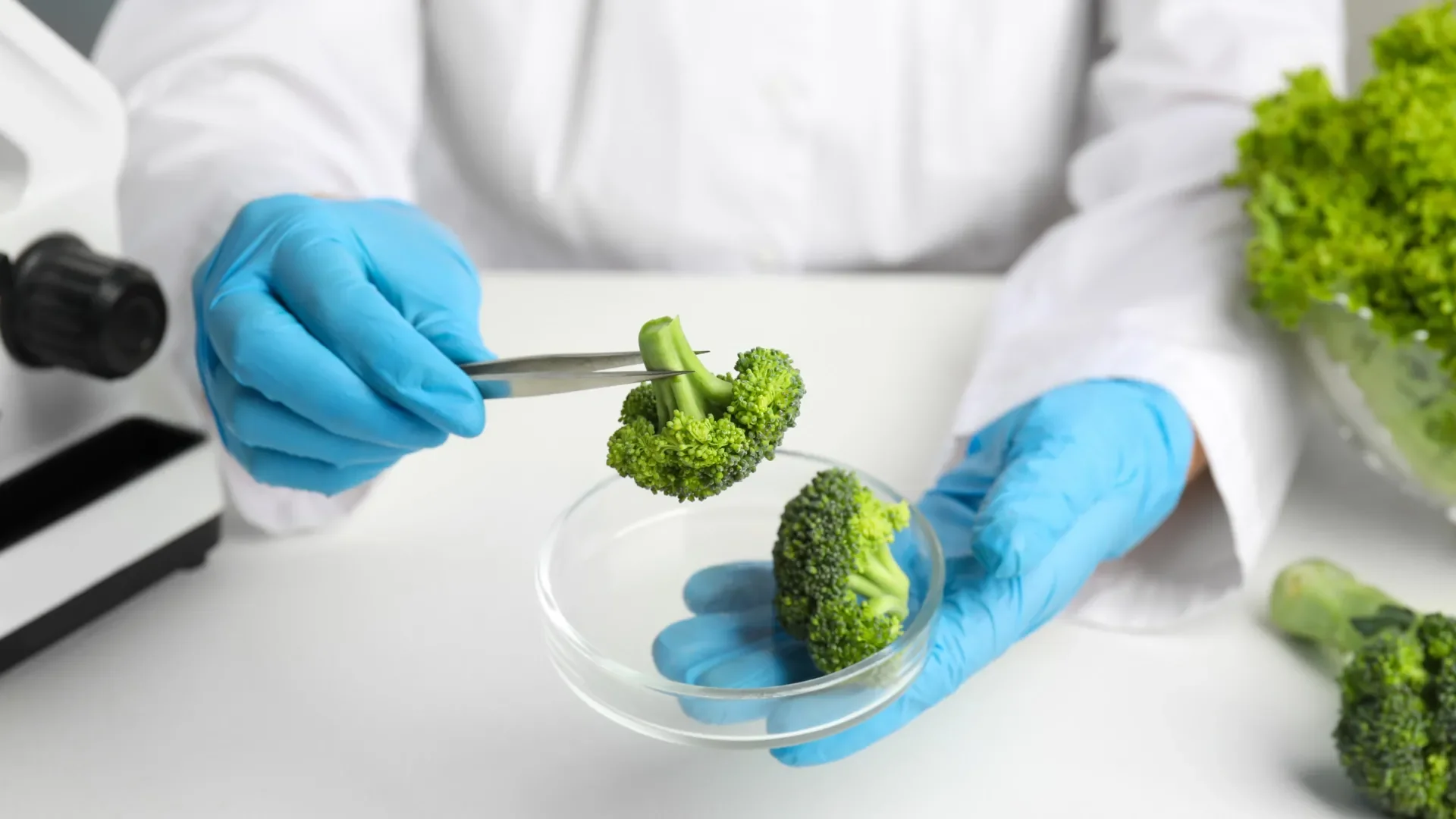
Visualization
In a significant breakthrough, a team of researchers at Swinburne University of Technology has identified sulforaphane, a naturally occurring compound in broccoli, as a potential therapeutic agent against Friedreich ataxia, a rare genetic disorder characterized by the progressive degeneration of the nervous system. The discovery has garnered hope for an effective treatment for this debilitating condition, which significantly impairs motor coordination and, at times, is associated with a considerable reduction in life expectancy.
Friedreich ataxia arises primarily from a mutation in the frataxin gene, leading to deficient levels of the frataxin protein, the function of which is critical for mitochondrial bioenergetics, particularly in energy-demanding nerve cells. The current prevalence of Friedreich ataxia affects approximately 200 individuals in Australia, with children representing a significant proportion of cases. Unfortunately, therapeutic options are scarce; thus, the identification of sulforaphane could provide a vital avenue for treatment. The mechanisms through which sulforaphane exerts its beneficial effects warrant particular attention, as the compound has been shown to enhance frataxin levels within affected cells.
Research indicates that sulforaphane operates through complex biochemical pathways including the Nrf2 signaling cascade. By activating this pathway, sulforaphane promotes antioxidant responses and induces phase II detoxifying enzymes, leading to a reduction in oxidative stress and inflammation—two pivotal factors contributing to neuronal cell death in Friedreich ataxia. The modulation of these pathological processes, in parallel with the increased production of frataxin, creates a synergistic effect that shapes sulforaphane as a promising candidate for therapeutic intervention.
Associate Professor Faith Kwa, who leads this pioneering research, emphasizes the urgency of finding effective treatments for pediatric patients suffering from Friedreich ataxia. “This discovery brings us closer to a future where children with Friedreich ataxia experience a better quality of life, greater independence, and improved chances of long-term survival,” she remarks. The hope is that sulforaphane could not only ameliorate symptoms but potentially alter the underlying disease trajectory by addressing the deficiencies caused by the genetic defect.
Saliently, sulforaphane boasts an established safety profile, having undergone extensive evaluation in both adult and pediatric populations. This positions it as a compelling candidate for rapid development into clinically viable therapies following successful findings in ongoing and forthcoming clinical trials. Such trials are imperative, as they will assess the efficacy of sulforaphane in a clinical setting and explore the optimal dosing strategies required to maximize patient benefits.
However, the challenge of raising awareness and securing funding for such trials cannot be overstated. Friedreich ataxia’s rarity often leads to insufficient public interest and support, which hinders the advancement of research and potential therapeutic breakthroughs. The Swinburne research team is actively seeking financial backing to propel their research into clinical testing. As Kwa elucidates, “Even if we can raise awareness of this debilitating condition or improve one person's quality of life, our efforts will have been worth it.”
The implications of this discovery extend beyond just Friedreich ataxia; sulforaphane may also influence various other neurodegenerative conditions characterized by cellular stress and oxidative damage. Further investigation could uncover broader applications of this natural compound, establishing it as a pivotal player in the realm of neuroprotection.
Ultimately, the hope remains that this initial research will lead to significant advancements in treatment accessibility and effectiveness for a demographic that remains relatively underserved in the medical community. With the quest for potent therapies for genetic disorders continuing to intensify, sulforaphane’s story is one of cautious optimism—transforming a humble cruciferous vegetable into a potential beacon of hope for those afflicted by Friedreich ataxia.