Field: Technology
A butterfly that fooled scientists for 200 years finally reveals its secrets
Published | Technical Staff
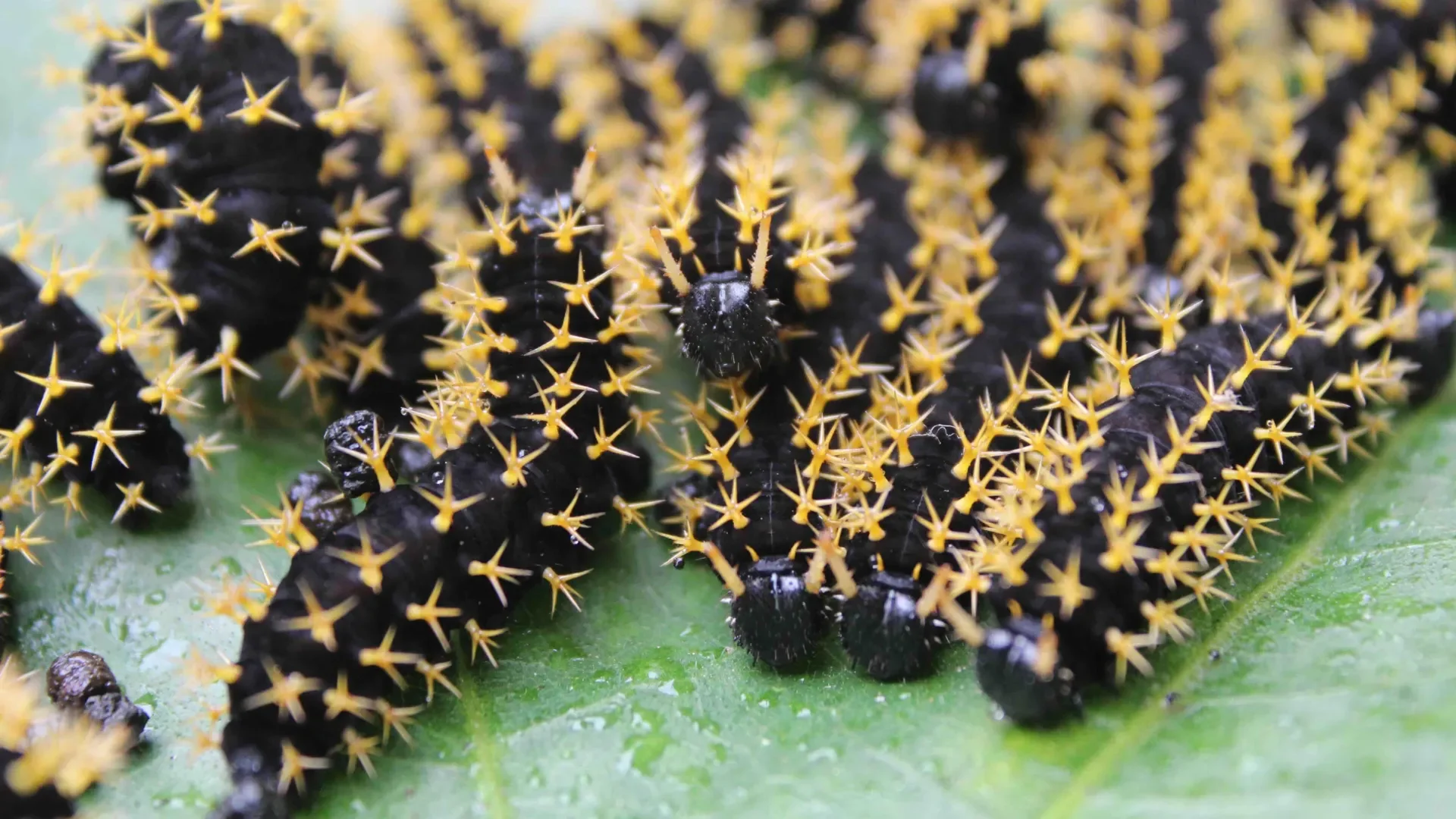
Visualization
In a revelation that has rewoven the intricate tapestry of tropical biodiversity, researchers have unveiled the hidden complexity within the genus Colobura, a set of butterflies ubiquitous across Central and South America. For over two centuries, scientists assumed the existence of a single species, Colobura dirce, renowned for its striking appearance and ecological importance. However, recent investigations led by Anisha Sapkota and her colleagues at the Florida Museum of Natural History have confirmed the existence of not one, but three nearly identical species, including a newly recognized entity, Colobura cryptica.
This landmark study, now published in Zootaxa, utilized a blend of DNA analysis, high-resolution imaging to elucidate subtle variations in wing patterns, and the innovative examination of ultraviolet light reflection. The outcome not only redefines our understanding of species delineation but also raises profound questions regarding the evolutionary dynamics of these butterflies, which cohabit overlapping geographic ranges without evidence of interbreeding.
The genus Colobura occupies a crucial ecological niche within the rainforests, primarily feeding on the leaves of Cecropia trees, known for their distinctive palmate foliage. This mutualism illustrates a classic predator-prey relationship that facilitates nutrient cycling in these biodiverse ecosystems. The geographic distribution of Colobura spans a broad spectrum from the Andes mountains to the Brazilian Amazon and into the Caribbean, exemplifying the adaptability and resilience of these butterflies amid varied environmental pressures.
Within tropical ecosystems, the dichotomy of widespread yet poorly understood species presents an intriguing paradox. Whereas the Cecropia trees are represented by a rich taxonomic diversity—61 recognized species occupying various localized niches—the butterflies of the genus Colobura were historically pigeonholed as a singular entity. Throughout the latter half of the 20th century, scholars upheld this singular classification, notwithstanding Dutch entomologist Jan Sepp's early musings in 1852 on the distinguishing features of caterpillars across different patterns. Sepp proposed that the variations observed in markings could reflect speciation; however, subsequent researchers dismissed these claims, attributing the differences to sexual dimorphism or intragroup variability.
The paradigm began to shift in 2001 when a second species, Colobura annulata, was validated, following rigorous reassessment by Keith Willmott, a prominent curator at the Florida Museum’s McGuire Center for Lepidoptera and Biodiversity. Despite the progress, lingering anomalies hinted that the puzzle might be incomplete. Willmott, armed with a decade's worth of field observations yet hesitant to posit the existence of a third species, could not have anticipated the significant break in the case that awaited in Venezuela.
This unexpected foray into the wild transpired when Andrés Orellana, a colleague of Willmott, observed a population of Colobura caterpillars exhibiting striking deviations from previously recognized morphological characteristics—specimens devoid of the typical cream-colored markings. These findings rekindled interest in a more thorough examination that could unlock the mysteries surrounding these closely resembling butterflies.
The investigation mandated meticulous dissection and photographic documentation, complementary to DNA barcoding techniques that would serve to validate distinct genetic lineages among the butterflies. Utilizing a database rich with short, highly variable genetic sequences harvested from ongoing ecological surveys in Costa Rica, the research team was able to contrast these genetic outputs against historical museum specimens from across tropical regions.
The data revealed a stark genetic divergence underlying the morphological similarities. Focusing on key nucleotide variations in mitochondrial DNA, the study showed that while the butterflies share physical habitats—often occupying the same trees simultaneously—they maintain distinctive evolutionary identities, effectively functioning as congeners that defy interbreeding.
Sapkota's work has unveiled an intricate narrative of ecological cohabitation paired with genetic divergence, prompting the scientific community to consider the evolutionary mechanisms—be they behavioral, ecological, or geographical barriers—that sustain such closely related species within shared habitats. As researchers move forward, the inquiry will delve deeper into ecological interactions and potential adaptive strategies that these butterflies leverage to thrive in one of the Earth’s richest biodiversity hotspots.
This enigma surrounding Colobura serves as a poignant reminder of the complexities within the natural world, underscoring that even the most familiar organisms can conceal profound layers of biological diversity just beneath the surface. The findings echo the unmistakable call for continued exploration and vigilance in the study of biodiversity—a field that remains as full of questions as it is of answers.