Field: Technology
A 50-Year-Old Mystery of Vanishing Frogs Reveals a Hidden Killer
Published | Technical Staff
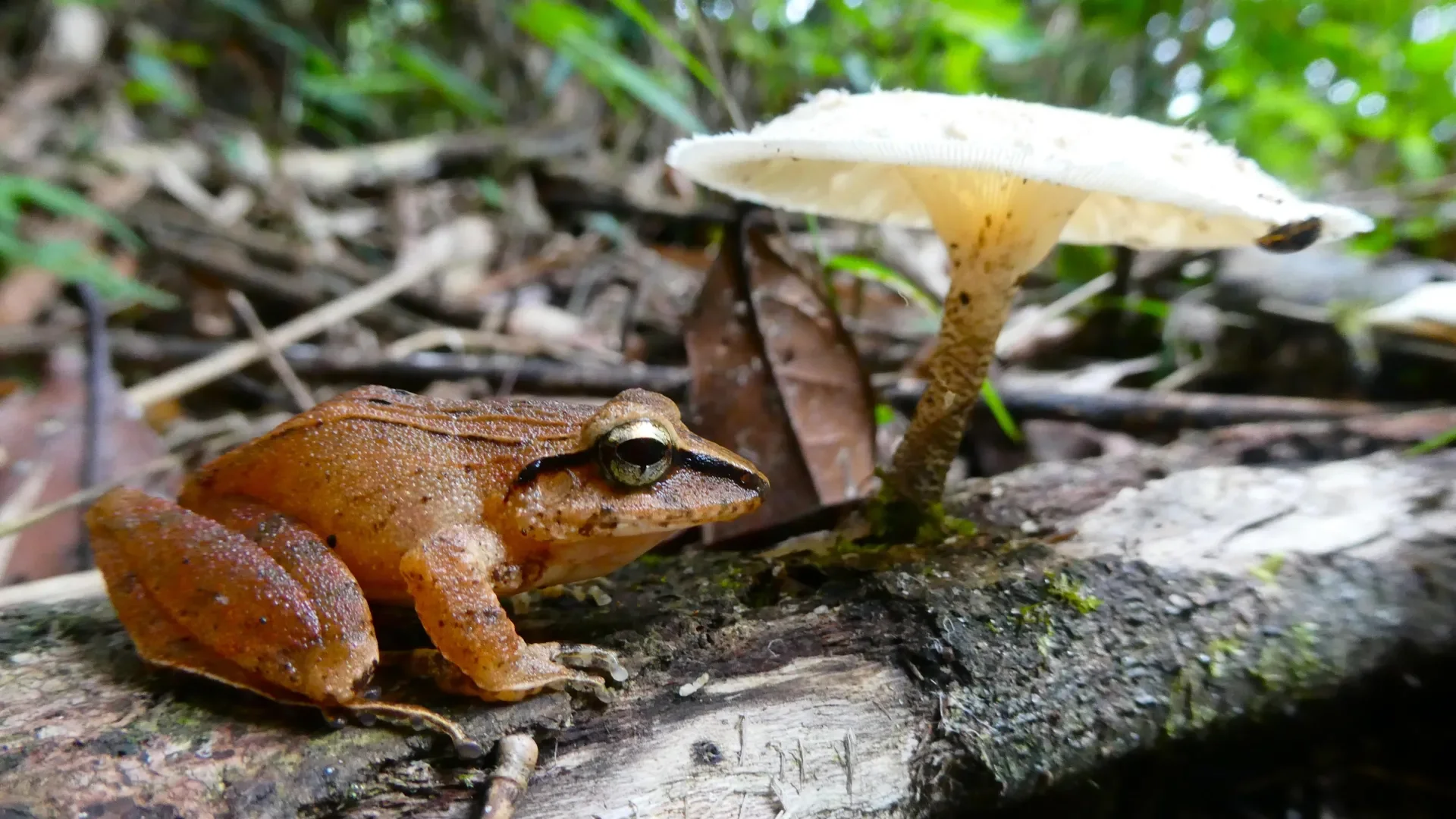
Visualization
The relentless disappearance of frog populations in Brazil's Atlantic Forest has long perplexed scientists, creating a tapestry of inquiry woven with ecological, environmental, and evolutionary threads. For nearly half a century, the Boracéia Biological Station—a bastion of biodiversity—stood as a forefront in the saga of amphibian decline, conjuring a haunting narrative of the fragility of life in one of the planet’s most rich and diverse ecosystems.
Between 1979 and 1982, researchers made alarming observations: severe declines in frog populations, raising questions about causative factors that could underlie such a profound ecological event. To many, climate change loomed as a likely suspect, with increasing temperatures and erratic weather patterns setting the stage for potential habitat degradation. However, a recent investigation conducted by a collaborative group of researchers from the Center for Conservation Genomics at the Smithsonian's National Zoo and Conservation Biology Institute and Pennsylvania State University has brought forward compelling evidence implicating a more sinister actor—the chytridiomycosis fungus, specifically the microscopic pathogen Batrachochytrium dendrobatidis, or chytrid.
The established timeline of chytrid’s global expansion traces back to the 1970s and 1980s, when it is believed to have originated in Asia before embarking on a devastating journey across continents, devastating amphibian populations worldwide. Recognizing that the pathogen was only formally classified years later in 1999 has been a critical point of contention in unraveling the cause behind numerous amphibian die-offs. Jack Boyette, a graduate fellow at the Smithsonian and lead author of the recent study, voiced the importance of understanding these historical declines, describing them as "some of the most enduring cold cases in wildlife epidemiology."
Amid the unfolding drama, the research team turned to a remarkable and oft-overlooked resource: preserved specimens from museum collections. The Smithsonian's repositories, housing frogs meticulously collected by curator William Ronald Heyer during several expeditions in Boracéia, became a goldmine of historical data. The ability to conduct genetic analyses on these specimens, gleaning information from over 370 amphibians representing 17 species, offered a rare glimpse into the events leading to the catastrophic declines.
Employing modern genomic techniques, the investigators searched for markers indicative of chytrid infection, unveiling a stark transformation across specimen collections. Frogs collected prior to 1979 exhibited no fungal presence; however, samples from the 1980s indicated that over half of these individuals carried the lethal chytrid fungus. This rapid escalation of infection correlates temporally with the frog population collapse, painting a clearer portrait of the events that transpired.
Intriguingly, the team identified an inconsistency: the species that faced the most catastrophic declines did not show signs of chytrid infection while other species—apparently thriving—harbored the fungus without detrimental effects. This paradox hinted at the complex nature of species interactions with pathogens, suggesting that intrinsic factors such as genetic diversity and immunological responses might confer varying resilience against fungal infections.
“To grasp the full intricacies, we must consider that not every species at Boracéia succumbed to the chytrid outbreak simultaneously," indicated Boyette. "Some species may have possessed natural tolerances allowing them to exist alongside the pathogen. Conversely, the species that faced extreme mortality may have been overwhelmingly susceptible, perishing before they could be documented."
This nuanced understanding of species-specific responses to emerging pathogens is critical in biodiversity conservation efforts, particularly as contemporary researchers grapple with emerging threats such as B. salamandrivorans, a relative of chytrid currently threatening European salamander populations. The lessons drawn from past outbreaks bear immense potential to inform future conservation strategies, paving the way for adaptive management frameworks.
In an inspiring twist, the long-term implications of this research extend beyond the narrative of decline, revealing a compelling tale of resilience and ecological restoration. Investigative surveys conducted from 2022 to 2024 unveiled that out of the 17 historical species previously documented, 12 were rediscovered in Boracéia, suggesting a significant rebound in local amphibian populations since the devastating declines recorded in the early 1980s. This resurgence brings with it a glimmer of hope, showcasing that in the face of adversity, ecosystems may find remarkable pathways of recovery.
Given the persistent presence of the chytrid fungus, the current flourishing of amphibians prompts a rich discussion about ecological dynamics and disease management. To understand the interplay of pathogens and biodiversity is to decipher a crucial chapter within the ever-evolving story of life.
The findings underscore the remarkable value inherent in natural history collections; they serve as irreplaceable time capsules, harboring genetic markers of epidemics and ecological shifts, revealing insights that would otherwise fade into obscurity. As researchers continue to probe the depths of biodiversity crises through the lens of past events, the lessons gleaned promise to bolster our collective capacity to safeguard the fragile tapestry of life on Earth—one species at a time.