Field: Technology
A 24-hour fast triggers a surprising repair response in the gut
Published | Technical Staff
Visualization
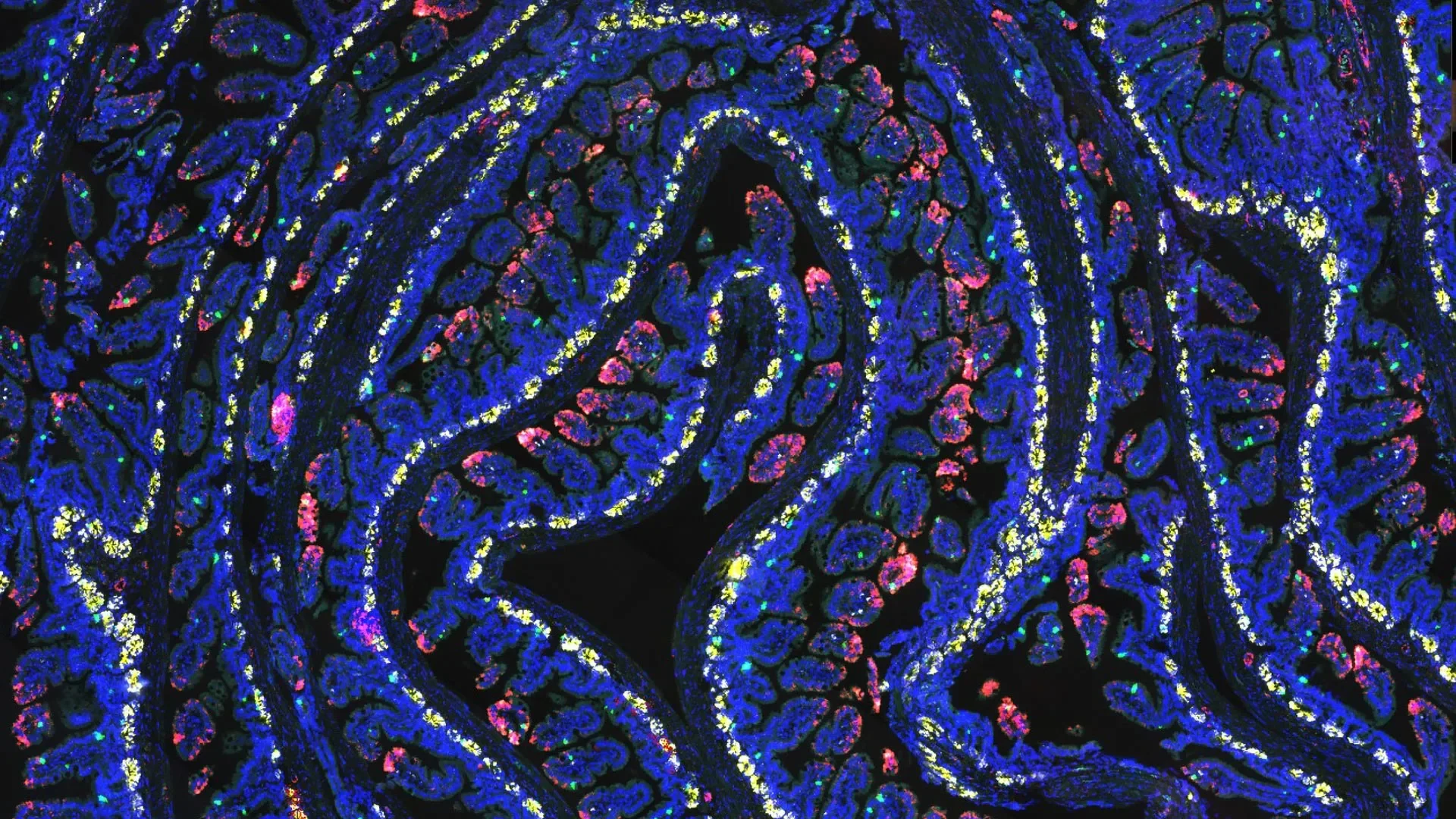
In an intriguing revelation from the University of Texas MD Anderson Cancer Center, new research unveils the remarkable interplay between fasting and gut microbiota in orchestrating tissue repair mechanisms, particularly in the context of radiation damage. This preclinical study, published in the esteemed Proceedings of the National Academy of Sciences, highlights the role of a specific gut bacterium, Akkermansia muciniphila, or AKK, in enhancing the regenerative capabilities of intestinal cells following a 24-hour fast. The findings suggest potential avenues for mitigating the detrimental effects of radiation therapy on healthy tissues, transforming the landscape of cancer treatment.
Radiation therapy stands as a cornerstone in the management of abdominal cancers such as those in the pancreas, colon, and reproductive organs. While effectively obliterating malignant cells, radiation poses a veritable threat to adjacent healthy tissues, particularly the small intestine with its rapidly renewing cellular architecture. The delicate intestinal epithelium, whose cells proliferate vigorously to maintain integrity, is exceptionally susceptible to radiation-induced injuries, leading to conditions like nausea, diarrhea, and in severe instances, life-threatening complications.
Prior investigations had illuminated the protective role of pre-treatment fasting in promoting intestinal recovery post-radiation exposure. Still, the underlying mechanisms remained nebulous until this groundbreaking study delineated the intricate biology at play. Researchers, led by Dr. Helen Piwnica-Worms and Dr. Kunal Rai, embarked on a deep dive into the molecular phenomena triggered by fasting. Their focus zeroed in on the gut microbiome and its metabolites, which they hypothesized could influence the robustness of the intestinal repair response.
The methodology pivoted on an analysis of how fasting modulates the gut's microbial community and subsequently influences the intestinal epithelium. Remarkably, a mere 24-hour fasting period resulted in a marked upsurge of AKK within the small intestine. This specific bacterium releases propionate, a short-chain fatty acid implicated in cellular metabolic signaling. Propionate is known to interact with histones—proteins that package DNA—by undergoing post-translational modifications that enhance chromatin accessibility. Such alterations enable intestinal cells to upregulate genes associated with tissue regeneration.
As fasting-induced changes in histone modification unfolded, researchers noted an increase in the population of intestinal cells poised for repair. This phenomenon is akin to a preemptive alert system, wherein fasting prepares these cells to swiftly enact repair protocols upon encountering radiation damage. This orchestrated response permits a rapid proliferation of intestinal cells that can efficiently reform the damaged epithelial lining, thereby restoring gut integrity.
In a pivotal experiment, the researchers removed AKK from the gut microbiome, thereby elucidating its indispensable role in the fasting-induced regenerative processes. The absence of this bacterium abrogated the beneficial effects of fasting, underscoring its critical contribution to cellular reinforcement. Reintegration of AKK along with fasting reinstated the protective benefits, emphasizing the necessity of both elements in optimizing intestinal recovery.
The implications of these findings extend beyond mere physiological curiosity; they signal a potential paradigm shift in oncology. The prospect of harnessing the microbiome, specifically through the modulation of beneficial bacteria like AKK, opens a myriad of therapeutic strategies aimed at preserving healthy tissues during aggressive cancer treatments. This research heralds new investigative avenues into how gut health can bolster recovery from therapeutic interventions that historically compromise gastrointestinal integrity.
Future investigations are warranted to ascertain whether these mechanisms translate to human physiology and how they can be effectively harnessed in clinical settings without necessitating fasting, which may be impractical for many patients. The identification of microbial metabolites that mimic the protective effects of fasting—as well as dietary interventions geared towards enhancing gut microbiota—could vastly improve patient outcomes.
This emerging frontier underscores the intricate convergence of diet, microbiome health, and regenerative medicine, marking a critical juncture in the quest for safer and more effective cancer therapies. As the scientific community endeavors to translate these preclinical findings into tangible benefits, the promise of utilizing gut microbiota as a novel therapeutic adjunct in modern oncology is decidedly within reach.