Field: Technology
75,000-year-old Neanderthal may have been killed by a spear aimed at the heart
Published | Technical Staff
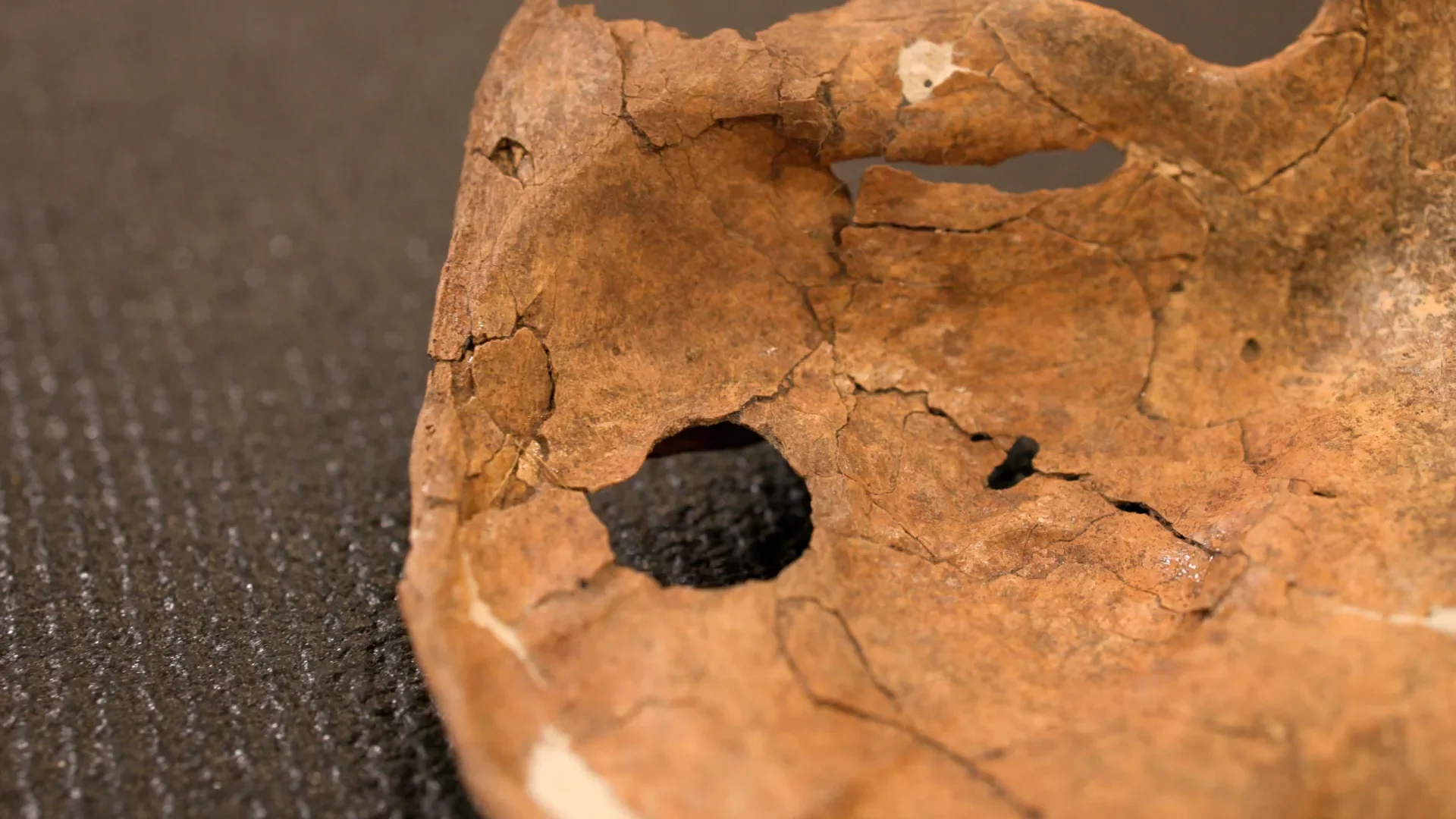
Visualization
In a remarkable intersection of archaeology and human evolution, researchers at the University of Cambridge have unveiled the haunting legacy of a Neanderthal, dubbed Shanidar A, who lived approximately 75,000 years before his untimely demise. The findings, emerging from depths of a cave in Iraqi Kurdistan, present a rare glimpse into the violent interspecies dynamics of our distant ancestors. A meticulously preserved left scapula, marked by a precisely circular orifice, serves as the focal point of a narrative that invites both intrigue and speculation about interpersonal violence in prehistoric times.
The injury inflicted on Shanidar A’s shoulder blade suggests a wooden spear, potentially a sophisticated hunting implement of the time, was deliberately aimed at the heart—a concept that aligns with modern understandings of anatomical vulnerabilities. The circular perforation, measuring 15 millimeters in diameter, is indicative of a weapon crafted with intent; wooden spearheads produce distinct wound patterns, primarily characterized by their rounded edges, in stark contrast to those of flint or stone-tipped projectiles. This distinction enhances the possibility that Shanidar A fell victim to a deliberate act of violence, marking what may be the oldest evidence of such behavior involving wooden weaponry in the hominin fossil record.
The anatomical implications of the wound are as dire as they are revealing. The spear is thought to have penetrated the left side of the chest, traversing critical structures such as lung tissue and major blood vessels before exiting through the scapula. The beveling present at the edges of the injury likens it to an exit wound, suggesting a downward trajectory consistent with the position of a skilled attacker striking from above, perhaps during an intimate confrontation or hunting scenario gone awry. Dr. Emma Pomeroy, the lead author of the study, articulates the remarkable preservation of this fragile scapula: "It's extraordinary to have a perfectly preserved scapula from such a distant past. These bones are so thin that you often don't receive complete specimens even from contemporary burials."
This narrative is steeped in contrasts. While Shanidar A's death may have been instigated by violence, other findings in the same excavation paint a picture of resilience and care. The skeletal remains reveal that this individual, believed to be around 45 years old at death, previously sustained severe injuries, including a devastating trauma to a front incisor. Observations reveal that the tooth had been shattered vertically, with substantial tartar accumulation suggesting it remained in place for an extended period. This detail indicates an enduring survival against considerable adversity and points towards communal care provided by fellow Neanderthals, suggesting that they possessed a social structure capable of compassion.
As researchers excavate deeper into human history, they draw comparisons with earlier unearthing of ancient wooden spears, like those from Schöningen in Germany, where tools dating back some 200,000 years demonstrated intricate design meant for hunting significant fauna. These spears elucidate prehistoric weapon-making skills, suggesting that such technologies were likely widespread—connecting Neanderthals from the Iberian Peninsula to Siberia. In light of the stunning evidence from Shanidar A's injury, scholars are afforded a glimpse into the technological capabilities of Neanderthals, who may have utilized similar sophistication in weaponry to thrive and dominate their environment.
Yet, as with many narratives in prehistoric contexts, the question lingers: was this violence a deliberate act of aggression amongst peers, or merely a tragic accident during a hunt? Pomeroy theorizes that the structure and location of the wound, requiring significant force, lean towards an intended heart shot rather than a hapless mistake among fellow Neanderthals hunting large mammalian prey. Given the typically low incidence of systemic violence documented in the pre-agricultural record, the fatality of Shanidar A pushes the narrative beyond mere speculation—the sorrowful demise insinuates a complex social landscape where violence was not only possible but, at times, perhaps inevitable.
As the excavation unearths fresh insights into the lives and deaths of Neanderthals, the juxtaposition of violence and care mirrors broader human experiences, past and present. Shanidar A, whose remains tell of both injury and compassion, challenges our perceptions of prehistoric life—ushering forth a dialogue about the complexity of social interactions among early hominins and the shadows cast by their conflict. In the annals of human evolution, the story of Shanidar A stands as a testament to survival, community bonds, and the sometimes harsh realities of existence in ancient landscapes.