Field: Technology
30,000-year-old DNA reveals Ice Age Europeans were far more connected than we thought
Published | Technical Staff
Visualization
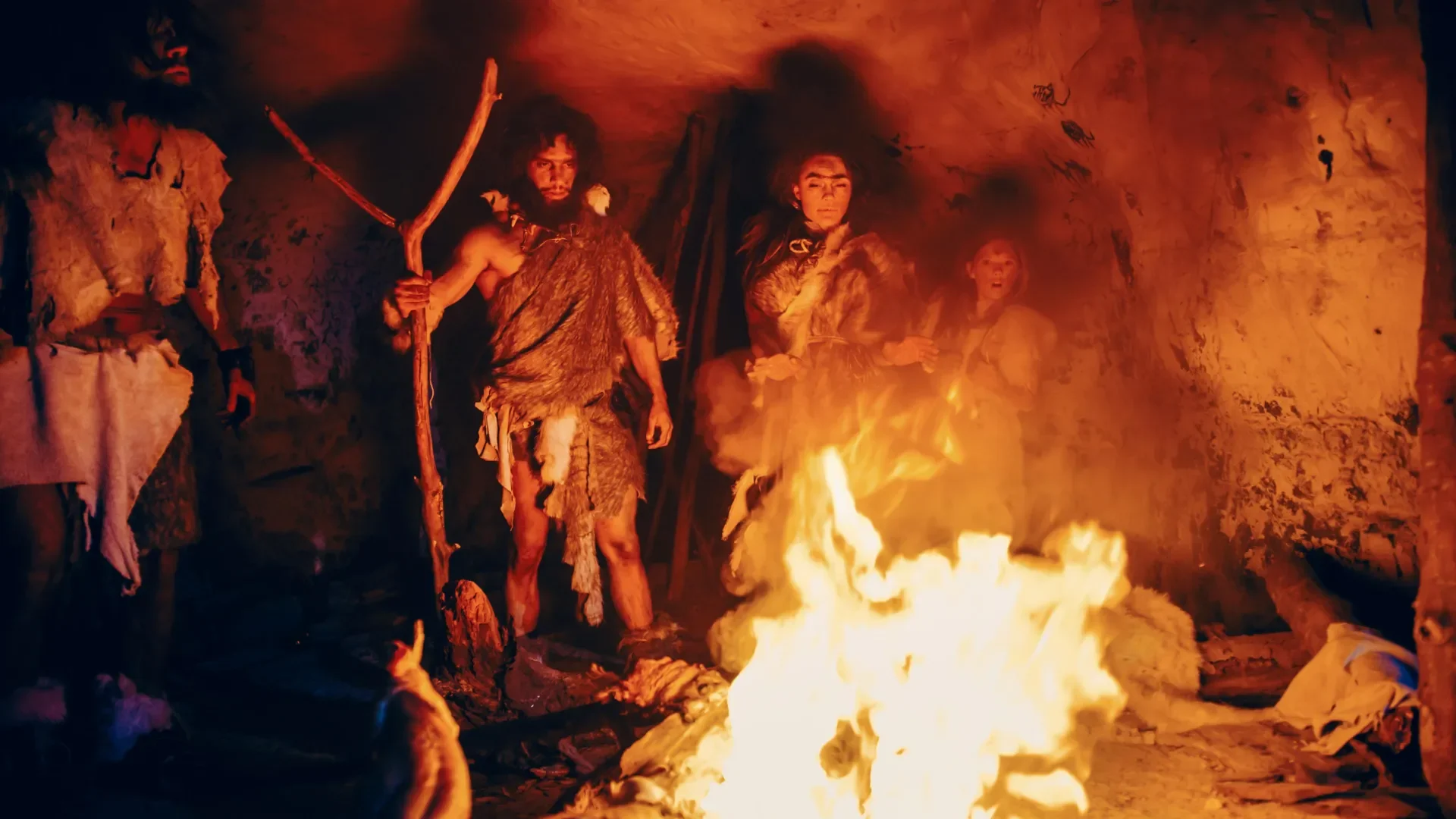
Ancient genomes excavated from the soils and caves of Europe have dramatically shifted the narrative surrounding the connectivity of prehistoric populations during the last Ice Age, particularly those of the Gravettian culture, which thrived approximately 34,000 to 25,000 years ago. This pivotal research, helmed by an international team from the University of Vienna, underscores the sophistication of human interactions across the continent, linking disparate populations through genetic exchange that transcended geographic barriers.
Genetic material recovered from both human remains and cave sediments reveals a complex picture of movement and integration among ancient Europeans. Traditionally, it was posited that the eastern and western groups maintained largely isolated lineages, an assertion supported by limited genetic evidence. However, cutting-edge analyses now indicate that a more intricate web of relationships existed, facilitating gene flow across vast distances much earlier than previously recognized.
Central to these revelations is the genome of a woman found in the Isturitz Cave in southwestern France, representing the most ancient comprehensive genetic profile from this geographical area. Her DNA exhibited a remarkable heterogeneity, predominantly aligned with western European ancestry yet also encapsulating genetic signatures associated with central and eastern European populations. Employing genetic modeling techniques, researchers estimated that this intermingling occurred between 32,500 and 31,500 years ago, marking a significant departure from the models that suggested stringent genetic segregation.
This finding is bolstered by a similar genetic profile discovered in remains from another archaeological site in Ormesson, France, reinforcing the hypothesis that caves such as Isturitz acted as focal points for gatherings and exchanges among diverse groups. Such communal environments likely catalyzed significant social interactions, resulting in a robust network of cultural and genetic interconnections. Pere Gelabert, the study's lead author, emphasizes that this evidence of gene flow, extending across expansive territories, compels a re-examination of the sociobiological frameworks of Gravettian populations.
Intriguingly, the research also highlights how certain regions showcased long-term genetic continuity. Cave sites such as Chufín in northern Spain presented a lineage sustaining its genetic identity for millennia, even amidst the rugged conditions of the Last Glacial Maximum. Innovative methodologies, including sedimentary DNA analysis, have become instrumental in recovering this ancient genetic material even from layers devoid of identifiable human remains. This technique, which captures trace nucleic acids left by ancient occupants, broadens the investigative scope of anthropological genetics, permitting scientists to make inferences about human habitation and ancestry when skeletal evidence is scarce.
In this fascinating genomic tapestry, discoveries from El Mirón Cave illustrate just how effectively human DNA can be extracted from deposits dating back approximately 22,000 years. The success of this analysis demonstrates that significant genetic continuity persisted in this region during some of the coldest phases of the Ice Age, suggesting that the Iberian Peninsula served as a crucial refuge for prehistoric humans.
Further intrigue arose from investigations into genetic remnants in southern Italy where researchers analyzed the remains of a male fetus, Ostuni1b, discovered alongside his mother, Ostuni1. Their genetic signatures suggest not only a shared ancestral lineage, but also indicate a mating pattern that mitigated inbreeding. This finding introduces a nuanced understanding of population dynamics, whereby select community members engaged in genetic exchange while still maintaining relatively stable local genetic identities.
Together, these studies illuminate an intricate duality—an adaptive strategy where long-term regional stability and extensive genetic interactivity coalesced in shaping the ancestry and resilience of Ice Age Europeans. The emerging dataset presents a pioneering narrative of ancient human societies that were not merely survivalist enclaves but vibrant networks enriched by exchanges and enduring relationships.
Looking forward, Gelabert and colleagues are poised to leverage proteomic analyses alongside their robust DNA sequencings to delve into the formative expansions of modern humans throughout Europe. This integrated approach paves the way for deeper insights into ancient interactions, particularly concerning how these early populations navigated coexistence alongside wild carnivores in enigmatic archaeological contexts where classic organic remains are scarce.
As the layers of Ice Age Europe continue to reveal their stories through these novel genetic insights, the portrait of our prehistoric ancestors evolves, reflecting a past that is as interconnected as it is resilient. These findings challenge our perceptions and invite us to revisit the complexities of human heritage, laying bare the enduring thread of connection that has shaped the very fabric of European ancestry.